
Kenya
Masai Mara National Reserve
Big cats and the Migration's dramatic river crossings
About Masai Mara National Reserve
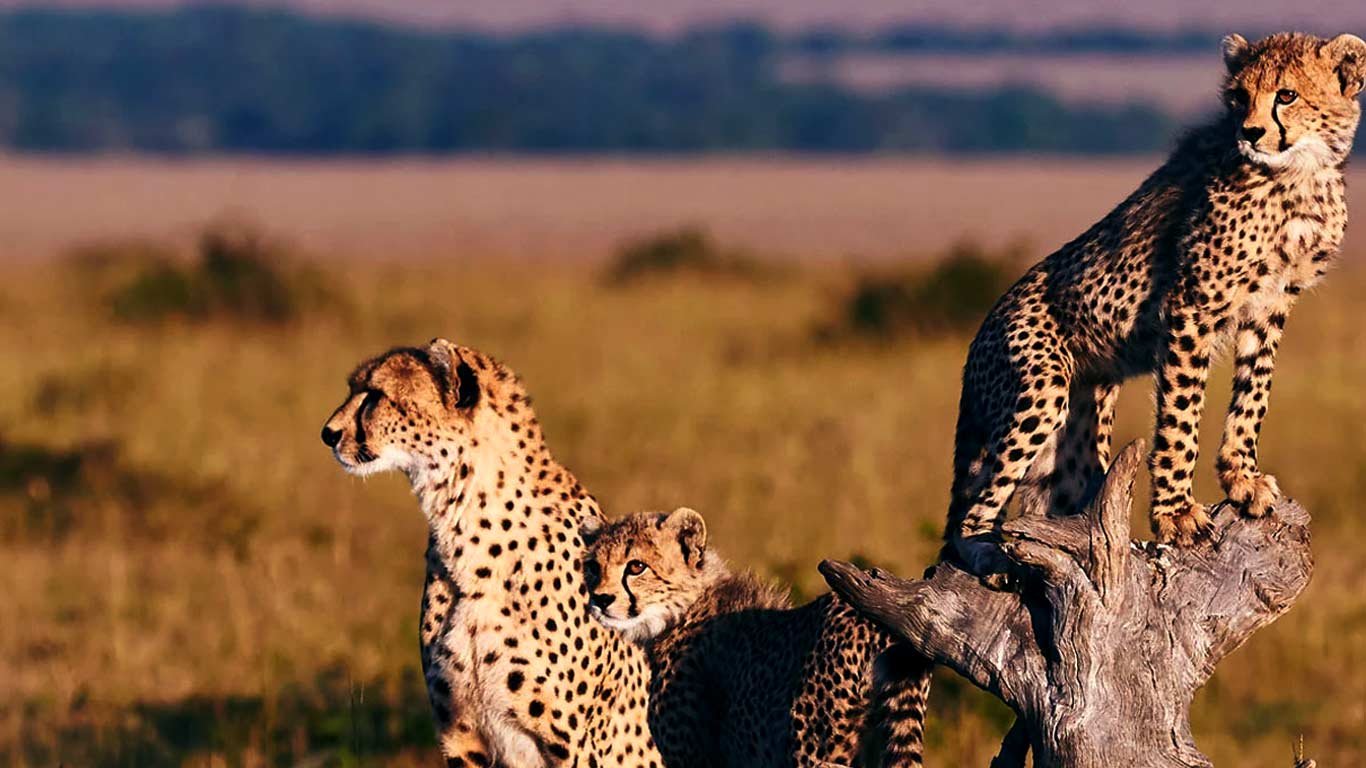
The Masai Mara is Kenya's crown jewel — rolling golden savannah with the highest big-cat density in Africa. Lion prides, cheetah on termite-mound lookouts and leopard along the riverine forest make every game drive count.
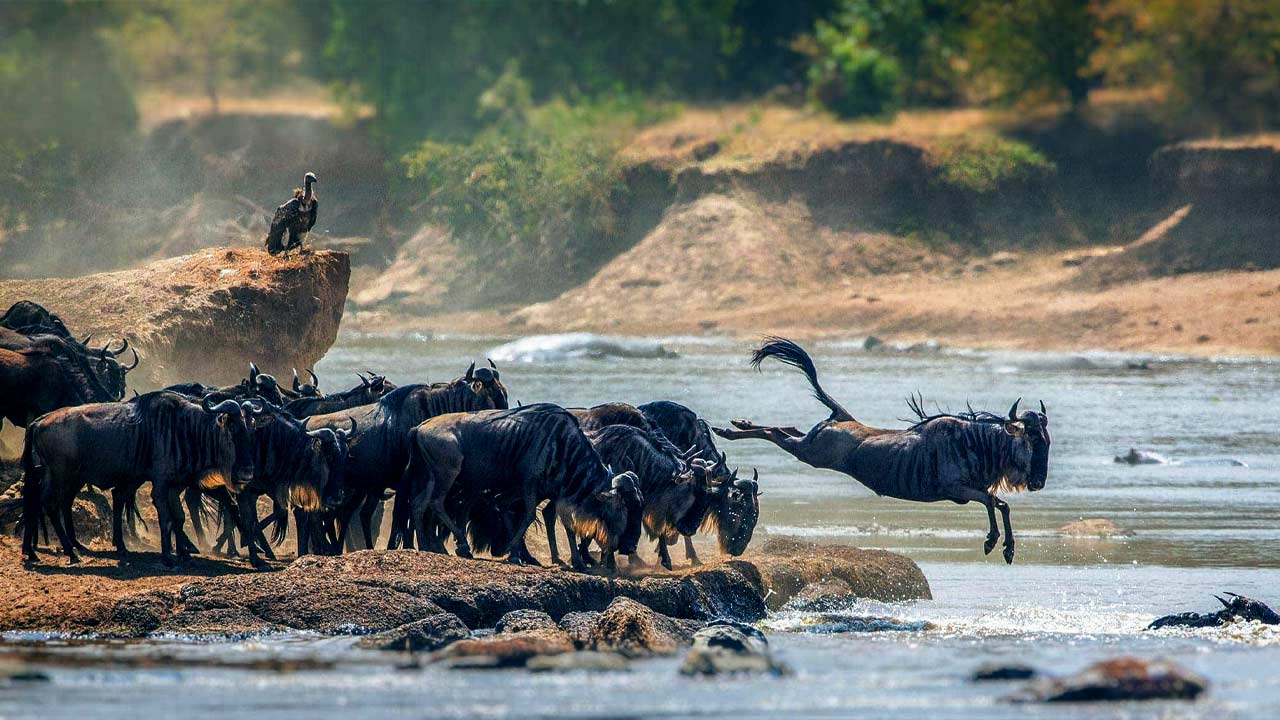
From July to October the Great Migration pours across the border from the Serengeti, and the Mara River crossings — crocodiles waiting below the banks — are wildlife drama at its rawest.
We run the Mara as a private safari and link it seamlessly with our Tanzania circuits — one guide, two countries.
Wildlife
What You'll See
- Lion
- Cheetah
- Leopard
- Wildebeest
- Elephant
- Hippo
- Crocodile
Activities
What You Can Do
- Game drives
- Hot-air balloon safaris
- Maasai cultural visits
- Photography safaris
Kenya's flagship
The Mara: Big Cats and the River Crossings
The Masai Mara is the Kenyan portion of the Serengeti-Mara ecosystem, and although it is far smaller than the Serengeti, it punches enormously above its weight. The reserve carries one of the highest concentrations of big cats in Africa, and the open, rolling grassland makes them relatively easy to find — which is why so much wildlife film-making happens here.
From roughly July to October the wildebeest herds arrive from Tanzania, and the Mara River crossings become the reason most people book. The herds mass on the bank, hesitate, and then pour across through waiting crocodiles. It is unpredictable, chaotic and unlike anything else in wildlife viewing.
But the Mara is exceptional in every month. Resident lion prides, cheetah on the plains and leopard along the riverine bush do not migrate anywhere, and January to March offers superb viewing with a fraction of the vehicles. The conservancies bordering the reserve, run in partnership with Maasai landowners, restrict vehicle numbers and permit night drives and walking — increasingly the reason experienced safari-goers come.
What you see
Masai Mara Highlights
Mara River crossings
From July to October, wildebeest and zebra crossing crocodile-filled water in their thousands. Never guaranteed on a given day, and unforgettable when it happens.
Exceptional big cat density
Among the highest concentrations of lion, cheetah and leopard anywhere in Africa, in open country where they can actually be found.
The conservancies
Community-owned land around the reserve with strict vehicle limits, permitting night drives, walking safaris and off-road approach that the reserve prohibits.
Maasai culture
The reserve is named for the people whose land surrounds it, and community-run visits arranged properly are among the more genuine cultural experiences in East Africa.
Planning
Masai Mara FAQs
When should I visit the Masai Mara?
July to October for the migration and river crossings, and expect peak prices and peak crowds. January to March is the connoisseur's window: hot, dry, excellent resident game viewing, far fewer vehicles and lower rates. April and May bring the long rains, the lowest prices of the year and lush green landscapes, with some tracks becoming difficult. There is no month in which the Mara is not worth visiting.
Reserve or conservancy — which should I choose?
Conservancy, if the budget allows, and ideally both. The national reserve has the river crossings and no cap on vehicle numbers, so sightings get busy. The conservancies limit beds and vehicles by agreement, and allow night drives, guided walks and driving off-road to a sighting — none of which the reserve permits. A common approach is two nights in a conservancy and two in a camp with reserve access.
How many days do I need in the Mara?
Three nights minimum, and four is better if crossings are your goal. The herds may sit on the riverbank for a full day without moving, so a single night is a gamble on a very expensive trip. Three nights also gives you time to work the resident cats properly rather than rushing between sightings.
How do I get there from Nairobi?
Forty-five minutes by light aircraft from Wilson Airport, with several scheduled departures daily, or five to six hours by road through the Rift Valley escarpment. The drive is scenic and much cheaper; the flight saves the better part of two days on a short trip. Many guests drive out and fly back.
Itineraries
Safaris Featuring Masai Mara National Reserve
6 Days Magical Kenya Safari: Masai Mara, Lake Nakuru, Samburu
Masai Mara → Lake Nakuru → Samburu
- Mid-range
- 4×4 Land Cruiser
From $1,800 pp
View details6 Days Kenya Holiday Safaris: Masai Mara, Lake Nakuru, Amboseli
Masai Mara → Lake Nakuru → Amboseli → Kilimanjaro
- Mid-range
- 4×4 Land Cruiser
From $1,800 pp
View details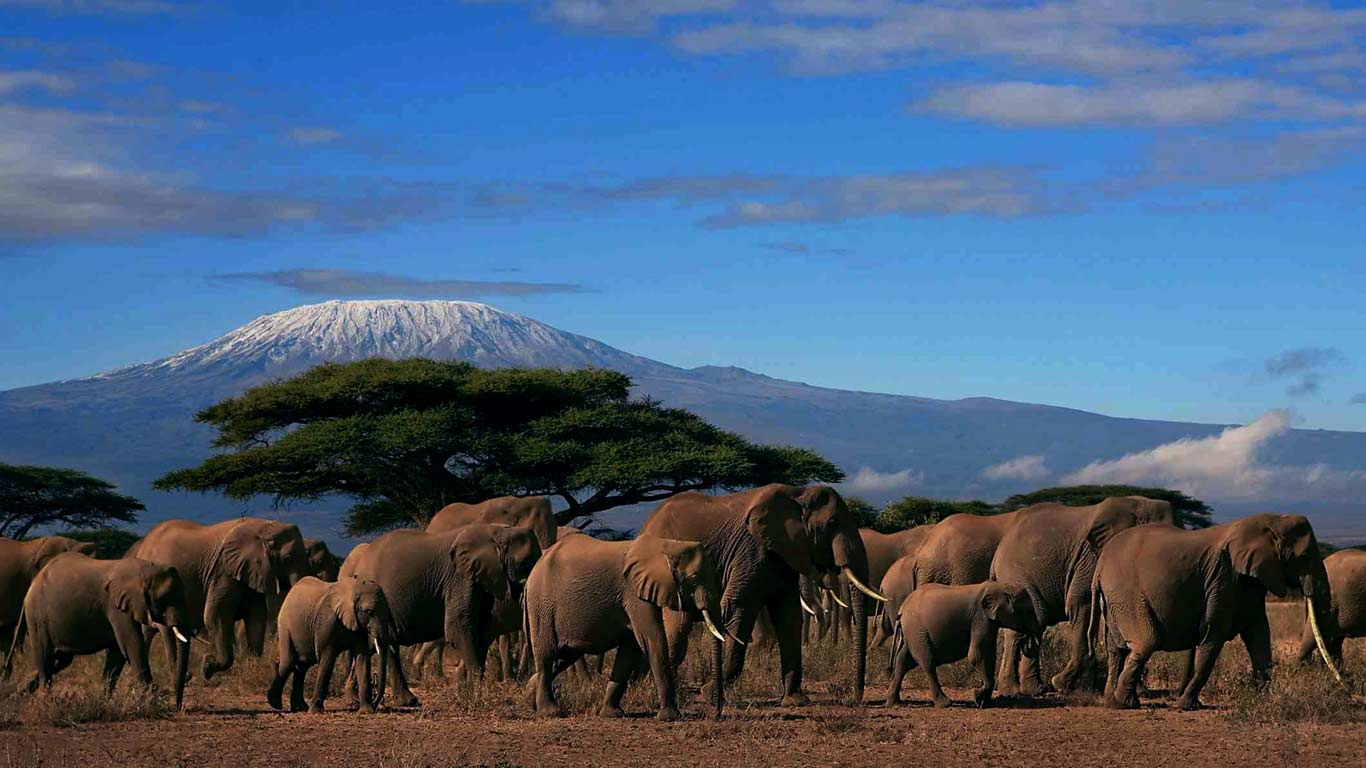
7 Days Kenya Safari And Tanzania Safari
Masai Mara → Lake Nakuru → Serengeti → Ngorongoro
- Mid-range
- 4×4 Land Cruiser
From $1,960 pp
View details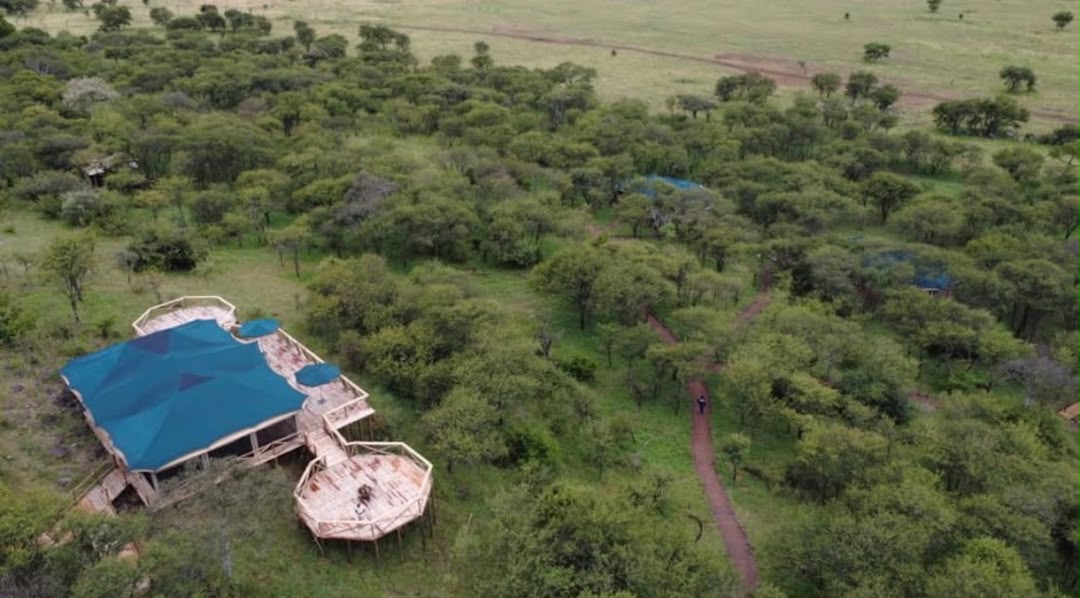
5 Days Serengeti Migration Safari | Lodge Safari
Serengeti → Lake Manyara → Masai Mara → Ngorongoro
- Mid-range
- 4×4 Land Cruiser
From $1,500 pp
View details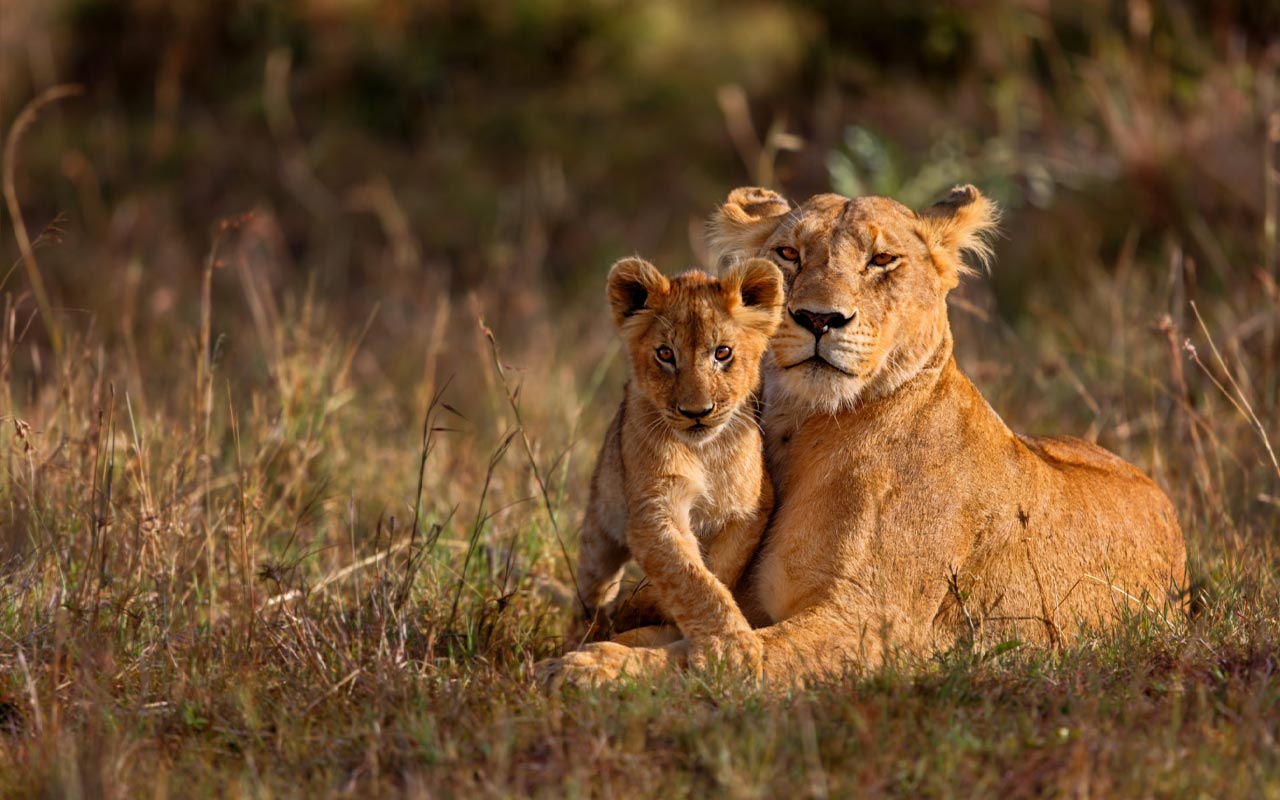
6 Days Treasure of Tanzania Safari
Lake Manyara → Serengeti → Ngorongoro
- Mid-range
- 4×4 Land Cruiser
From $1,940 pp
View details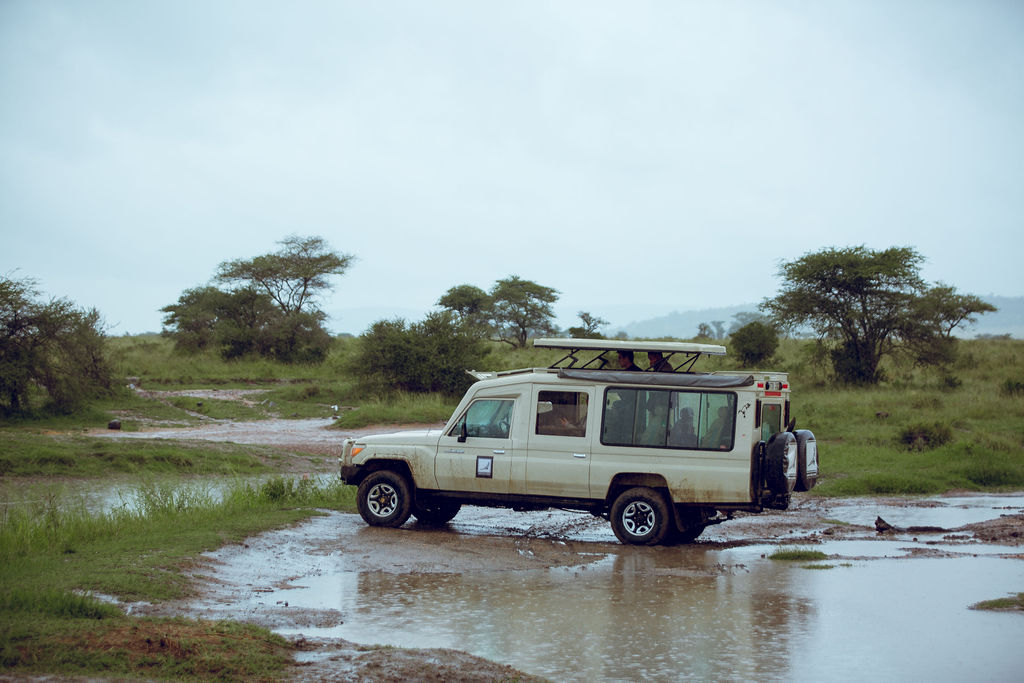
10 Days Serengeti Wildebeest Migration Safari
Serengeti → Tarangire → Ngorongoro
- Mid-range
- 4×4 Land Cruiser
From $3,440 pp
View details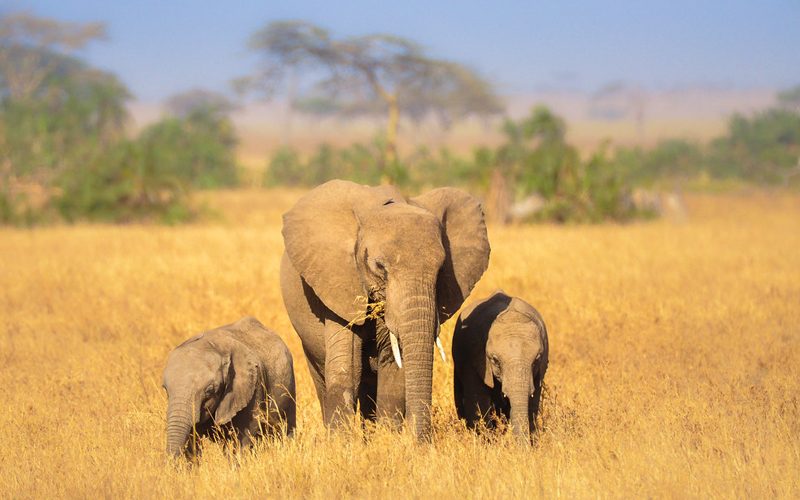
Let's plan together
Ready to Experience Tanzania?
Tell us your dates and dreams — our Arusha team will craft a private itinerary within 24 hours.
