
Kenya
Samburu National Reserve
The wild north and its Special Five
About Samburu National Reserve
Samburu is Kenya's wild north — dry country along the Ewaso Ng'iro river where you'll find the "Special Five" seen almost nowhere else: Grevy's zebra, reticulated giraffe, Somali ostrich, beisa oryx and the long-necked gerenuk.
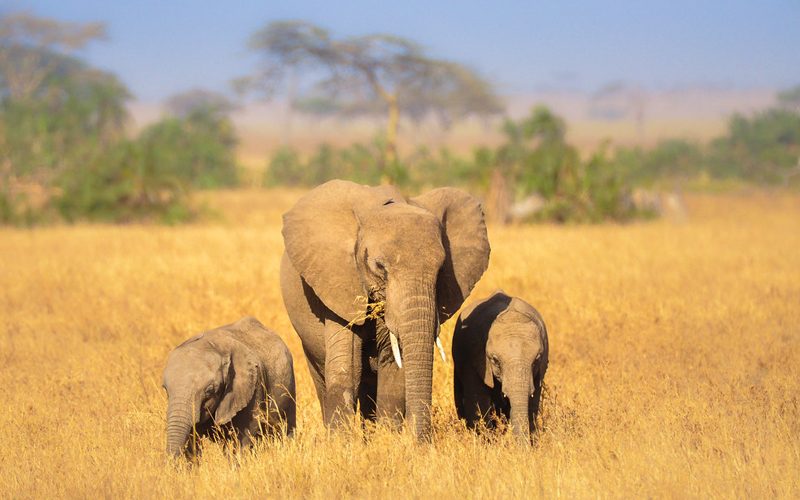
Elephant herds dig for water in the sandy riverbed, leopards patrol the doum palms, and the Samburu people share a culture as striking as the landscape.
Wildlife
What You'll See
- Grevy's Zebra
- Reticulated Giraffe
- Somali Ostrich
- Beisa Oryx
- Gerenuk
- Elephant
- Leopard
Activities
What You Can Do
- Game drives
- Samburu cultural visits
- Birdwatching
North of the equator
Samburu: A Different Set of Animals
Samburu lies in Kenya's arid north, and crossing into it feels like changing countries. The landscape is red earth, doum palms and rocky hills, with the Ewaso Ng'iro River cutting a green line through the middle. Everything in the reserve depends on that river.
What draws people here is a species list that simply does not occur further south. The so-called Samburu Special Five — Grevy's zebra, reticulated giraffe, gerenuk, beisa oryx and Somali ostrich — are all northern dry-country specialists, and seeing them after a week in the Mara is genuinely startling. Grevy's zebra in particular is endangered, with a large share of the world population living in this region.
Predator viewing is good and unusual: leopard are seen along the riverine forest with some reliability, and Samburu is one of the better places in Kenya for both cheetah and the striped hyena. The reserve is also the home of Kamunyak, the lioness who repeatedly adopted oryx calves and briefly became internationally famous.
What you see
Samburu Highlights
The Samburu Special Five
Grevy's zebra, reticulated giraffe, gerenuk, beisa oryx and Somali ostrich — none of which occur in the southern Kenyan parks.
Leopard along the river
The riverine forest of the Ewaso Ng'iro holds a resident leopard population, and Samburu has a reputation for reliable sightings.
Elephant at the river
Large herds come down to drink and cross, and the research here on elephant social behaviour is among the most respected in Africa.
Samburu culture
The Samburu people are close relatives of the Maasai, and community visits arranged through the reserve are among the more genuine in Kenya.
Planning
Samburu FAQs
Why add Samburu to a Kenyan safari?
For contrast. A week spent only in the Mara and Amboseli gives you two variations on southern savannah; Samburu gives you an entirely different landscape and five large mammal species you cannot see anywhere else in Kenya. Photographers and repeat visitors rate it highly, and it is far less busy than the southern parks.
When is the best time to go?
June to October and December to March, when the dry conditions concentrate game along the Ewaso Ng'iro. This is hot, arid country, so early mornings and late afternoons are the productive hours. The reserve can flood during heavy rains in April and November, which occasionally disrupts access.
How do I get to Samburu?
Light aircraft from Nairobi takes a little over an hour, or the road journey runs five to six hours north through Nanyuki and past Mount Kenya. The drive is scenic but long. Samburu combines naturally with the Laikipia conservancies, which are close by and offer walking, riding and night drives.
Itineraries
Safaris Featuring Samburu National Reserve
6 Days Magical Kenya Safari: Masai Mara, Lake Nakuru, Samburu
Masai Mara → Lake Nakuru → Samburu
- Mid-range
- 4×4 Land Cruiser
From $1,800 pp
View details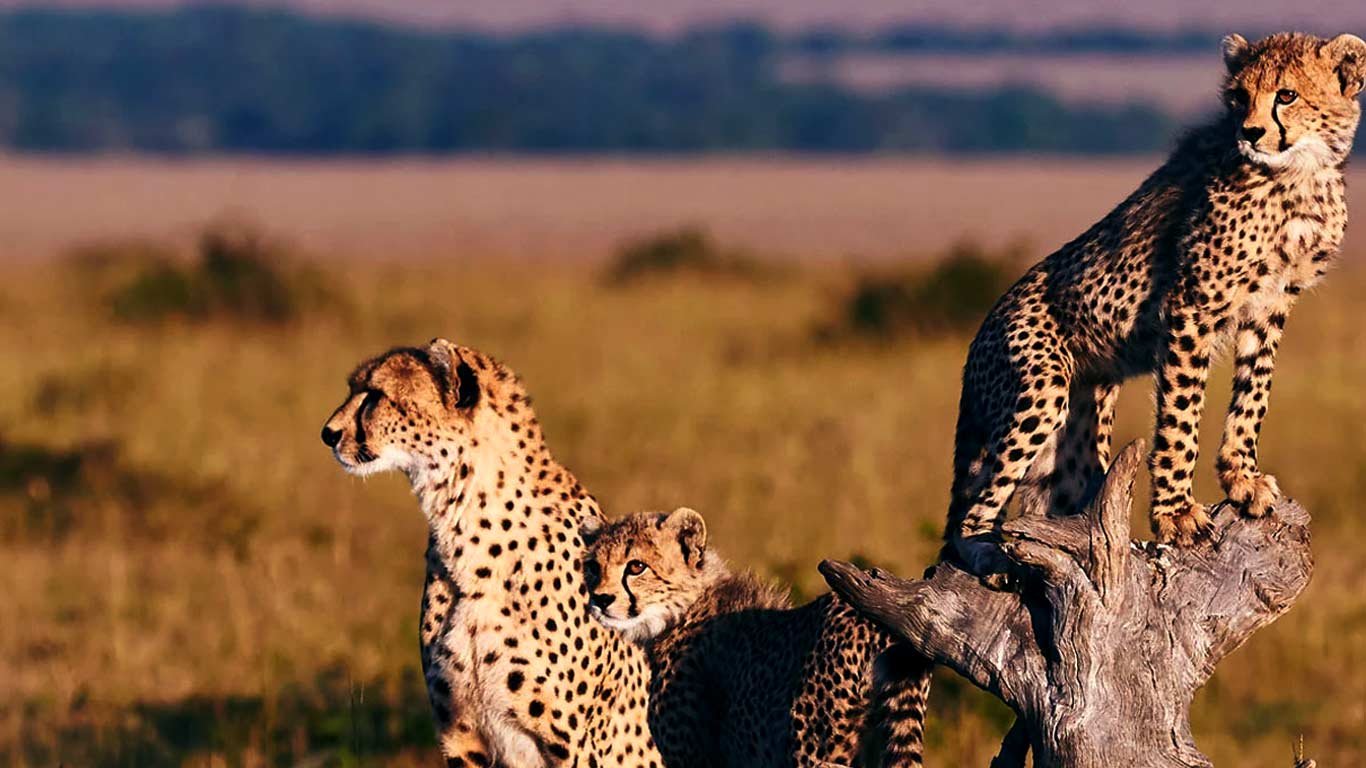
Let's plan together
Ready to Experience Tanzania?
Tell us your dates and dreams — our Arusha team will craft a private itinerary within 24 hours.
