
🇰🇪 Kenya
Kenya Safari Destinations: Where to Go
The Masai Mara's big cats, elephants beneath Kilimanjaro, flamingo lakes and the wild north — Kenya's icons, planned by local experts.
Kenya is where the word "safari" was born. Its parks and reserves pack extraordinary variety into easy circuits — and every one below combines seamlessly with our Tanzania routes for a single, effortless East African journey.
 Kenya
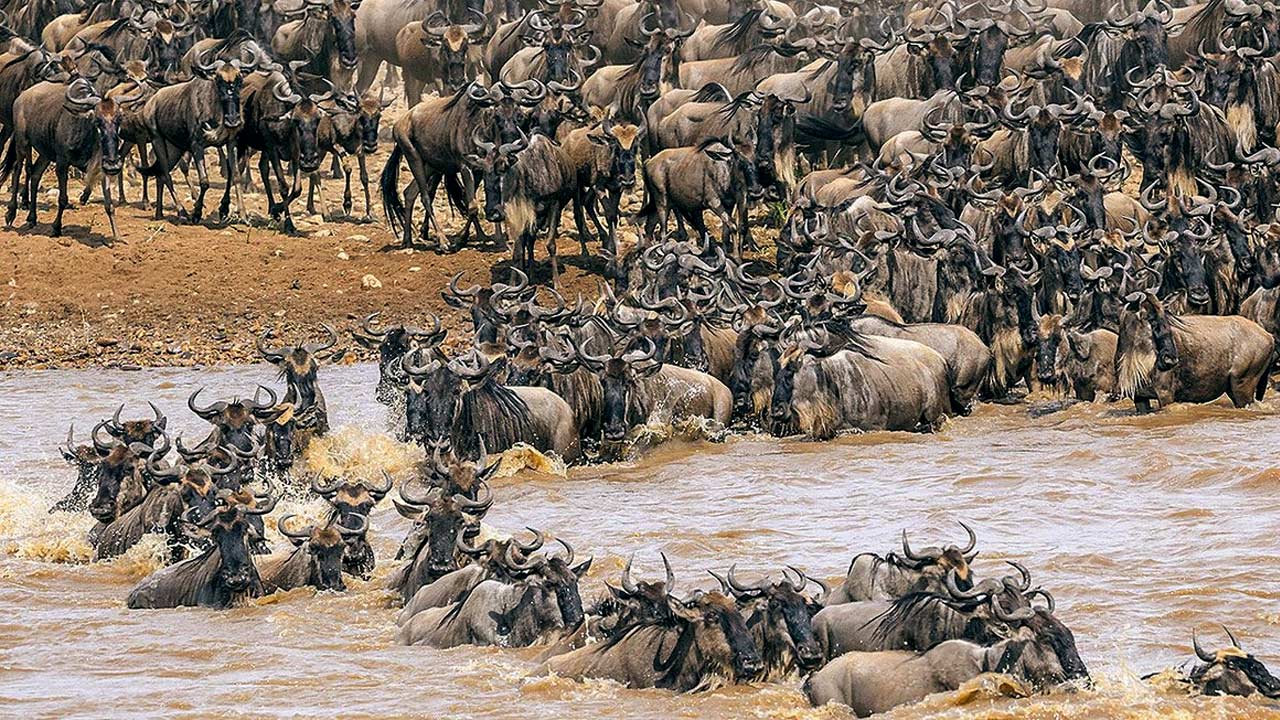
Masai Mara National Reserve
Big cats and the Migration's dramatic river crossings
Explore
Kenya
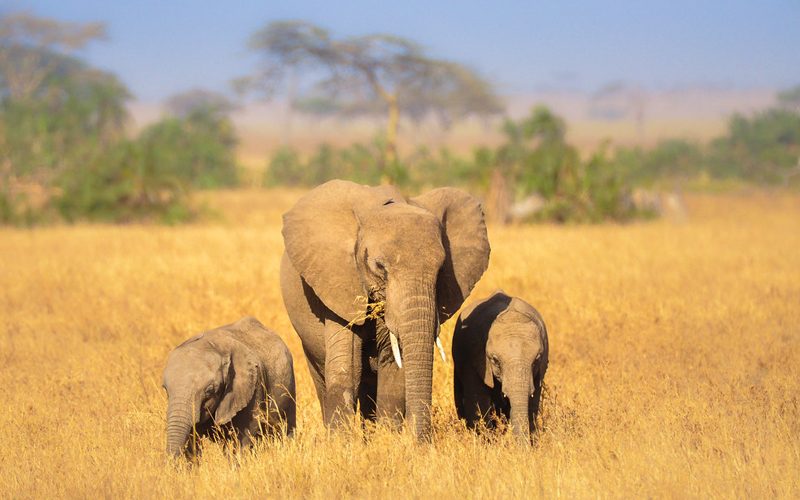
Amboseli National Park
Great elephants beneath the snows of Kilimanjaro
Explore
Kenya
Lake Nakuru National Park
Flamingo-pink shores and Kenya's rhino stronghold
Explore
Kenya
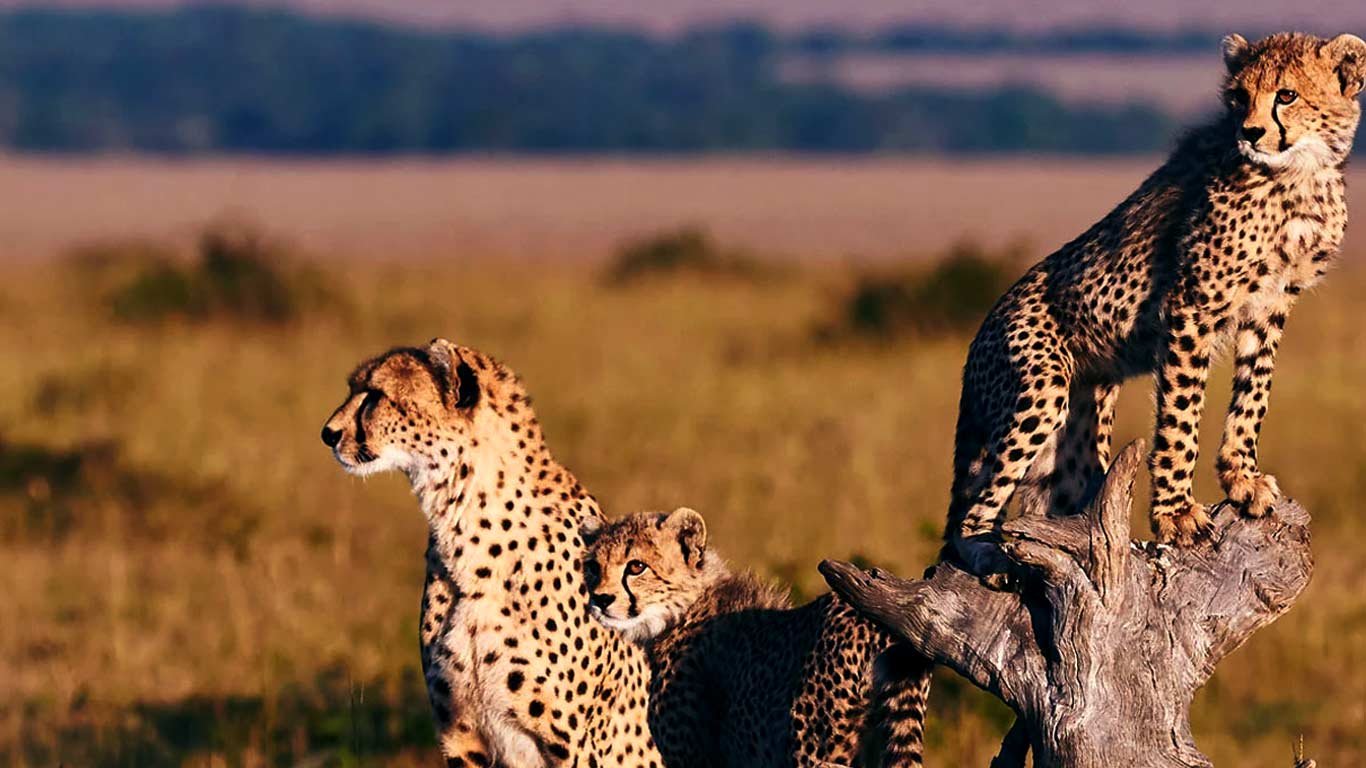
Masai Mara National Reserve
Big cats and the Migration's dramatic river crossings
Explore
Kenya
Amboseli National Park
Great elephants beneath the snows of Kilimanjaro
Explore
Kenya
Lake Nakuru National Park
Flamingo-pink shores and Kenya's rhino stronghold
Explore
 Kenya
Samburu National Reserve
The wild north and its Special Five
Explore
Kenya
Samburu National Reserve
The wild north and its Special Five
Explore
 Kenya
Tsavo National Park
Red elephants and Kenya's biggest wilderness
Explore
Kenya
Tsavo National Park
Red elephants and Kenya's biggest wilderness
Explore
Why Kenya
Kenya: Where the Safari Was Invented
Kenya is where the word safari entered English — it is simply the Swahili for journey — and where the modern safari industry began. More than a century on, it remains one of the most rewarding wildlife destinations on earth, and in some respects the most convenient: the parks are close together, the light aircraft network is excellent, and Nairobi is the best-connected airport in East Africa.
The headline attraction is the Masai Mara, the northern extension of the Serengeti ecosystem and the stage for the Mara River crossings between July and October. But Kenya's real strength is variety within short distances. Amboseli puts elephants beneath Kilimanjaro. Samburu, north of the equator, holds species found nowhere further south — Grevy's zebra, reticulated giraffe, gerenuk. Lake Nakuru is a rhino sanctuary ringed by flamingos. Tsavo is raw, red-earthed and enormous.
Kenya also pioneered the private conservancy model, where community-owned land next to the national reserves is managed for wildlife. Conservancies allow night drives, walking and off-road viewing that the national parks prohibit, with a fraction of the vehicles at a sighting. For many repeat visitors they are now the main reason to choose Kenya.
The regions
Where to Go in Kenya
The Masai Mara
Kenya's flagship reserve and the northern third of the Serengeti ecosystem. Exceptional big-cat density year-round, and the Mara River crossings from roughly July to October. The surrounding conservancies offer the same wildlife with far fewer vehicles.
Amboseli
Famous for enormous elephant herds framed against Mount Kilimanjaro across the border in Tanzania. Open, dusty and photogenic, with some of the most-studied elephants in the world and the best chance anywhere of the classic elephant-and-mountain photograph.
Samburu and the north
Arid, rugged country along the Ewaso Ng'iro River, home to the "Samburu Special Five" — Grevy's zebra, reticulated giraffe, gerenuk, beisa oryx and Somali ostrich — none of which occur on the southern circuits.
The Rift Valley lakes
Lake Nakuru and Lake Naivasha: rhino sanctuary, flamingo flocks, hippo-filled freshwater, and boat trips and walking safaris that break up the driving. An easy and worthwhile stop between Nairobi and the Mara.
Tsavo East and West
Kenya's largest protected area and its most raw. Red-dusted elephants, the Mzima Springs where hippos can be watched underwater, and vast horizons with very few other vehicles. Convenient from the coast.
Timing
Best Time to Visit Kenya
| Months | Season | Wildlife | Notes |
|---|---|---|---|
| July – October | Dry, peak season | Migration in the Masai Mara, river crossings, excellent predator viewing | Book nine to twelve months ahead; highest rates of the year. |
| January – February | Short dry season | Superb game viewing, hot and clear, good for photography | The connoisseur's window — great conditions without the July crowds. |
| March – May | Long rains | Lush, green, newborn animals, outstanding birding | Lowest prices, some camps close, occasional difficult roads. |
| November – December | Short rains | Migratory birds arrive, landscapes freshen, few visitors | Brief afternoon showers rather than all-day rain; excellent value. |
Kenya in figures
Why the Numbers Work in Your Favour
- 1,100+
- Bird speciesOne of the highest national counts on earth, and a serious draw in the November to April migrant season.
- 160+
- ConservanciesCommunity-owned land bordering the reserves, where night drives and walking are permitted.
- 45 min
- Nairobi to the MaraBy light aircraft. Several scheduled departures daily from Wilson Airport.
- 24
- National parksPlus fifteen national reserves, spanning desert, savannah, mountain, forest and coral reef.
Planning notes
Practical Points for a Kenya Safari
Small decisions that make a disproportionate difference to how a Kenyan itinerary actually plays out.
- Stay at least three nights in the Mara if river crossings are the goal - one night is a gamble
- Consider a conservancy over the national reserve for night drives, walking and fewer vehicles
- Fly rather than drive if you are visiting more than two parks in under a week
- Nairobi National Park makes an excellent half day if you arrive on an early flight
- Pack a long lens: Kenyan parks restrict off-road driving, so sightings are often at distance
- Bring a warm layer for early game drives - the Mara sits at 1,500 metres and mornings are cold
- Kenyan park fees are charged per 24 hours, so entry timing genuinely affects the total cost
- Allow a buffer day before international departures; Nairobi traffic is unpredictable
Signature experiences
What Kenya Does Better Than Anywhere Else
Every safari country has its wildlife. These are the things you can really only do properly in Kenya.
Walking safaris in the conservancies
On community-owned land bordering the Mara and in Laikipia, you can leave the vehicle entirely and walk with an armed guide and a Maasai tracker. Tracks, dung, birdsong and the smell of the bush — a completely different way of reading a landscape you have only driven through.
Night drives after the parks close
Prohibited inside the national reserves, permitted in the conservancies. A spotlight after dark reveals an entirely separate cast: aardvark, genet, white-tailed mongoose, bushbaby, and lion and leopard actually hunting rather than sleeping.
Riding and camel safaris in Laikipia
Horseback among plains game is an extraordinary experience — zebra and giraffe do not flee a horse the way they flee a vehicle. Camel safaris in the northern rangelands cover ground slowly with a walking camp behind you.
Elephants and Kilimanjaro at Amboseli
The most photographed combination in Africa, and it delivers: huge tuskers on open dust with the mountain filling the frame behind them. Early morning, before the cloud builds, is the window.
Read moreNairobi in a day
The elephant orphanage, the giraffe centre, the Karen Blixen house and a national park with rhino inside the city limits. Kenya is the only safari destination where the capital is worth a day of your itinerary.
Kenya questions
Kenya Safari FAQs
What is the food and accommodation like?
Better than most first-time visitors expect. Kenyan safari camps run on full board, and the cooking in even mid-range camps is genuinely good — fresh bread, vegetables from local gardens, and a hot three-course dinner under canvas. Dietary requirements are handled routinely if you tell us in advance. Accommodation ranges from simple but comfortable tented camps through to some of the finest lodges in Africa, and almost all of it sits in unfenced wilderness where animals wander through at night.
Do I need to tip, and how much?
Tipping is customary and forms a meaningful part of guide and camp staff income. As a rough guide, plan on roughly $20 to $30 per day for your driver-guide from the group as a whole, and a similar daily amount into the general staff box at each camp for the kitchen, housekeeping and waiting teams. Bring it in cash — US dollars work everywhere, in clean notes issued after 2009, which older bills are frequently refused.
How do I choose between the parks?
Work backwards from what you want to see. The Masai Mara for big cats and the migration; Amboseli for elephants and the Kilimanjaro backdrop; Samburu for the arid-country species found nowhere further south; Lake Nakuru for rhino and flamingos; Tsavo for space and solitude. Two or three well-chosen parks over a week beats five parks rushed, and pairing one savannah park with one contrasting landscape gives a far more memorable trip than stacking two similar ones.
Are Kenyan parks good for photography?
Excellent, with one caveat: off-road driving is prohibited in the national reserves, so sightings are often further away than in Tanzania and a long lens matters more. The conservancies allow off-road approach, which is why serious photographers gravitate to them. The light in the Mara at dawn and in the last hour before dusk is exceptional, and most camps will arrange an early breakfast so you are out in it rather than at the table.
Is Kenya or Tanzania better for a safari?
They are more similar than either country's marketing suggests — they share the same ecosystem across a political border. Kenya has shorter distances, a better light-aircraft network, cheaper park fees and the conservancy model with its night drives and walking. Tanzania has more space, lower vehicle densities in the Serengeti, and the Ngorongoro Crater, which has no equivalent anywhere. If it is your first safari and you want the classic, choose Tanzania. If you want variety in a shorter trip, or you have been before, choose Kenya. Better still, do both — they combine easily.
What is a conservancy and why does it matter?
Conservancies are community-owned lands bordering the national reserves, leased for wildlife and tourism, with strict limits on how many camps and vehicles are allowed. Because they are not national parks, they permit night drives, walking safaris and off-road driving to a sighting — none of which the Masai Mara National Reserve allows. In practice this means a leopard sighting shared with one other vehicle instead of fifteen. They cost more, and most guests who have tried both never go back.
When are the Mara River crossings?
Typically from mid-July through October, with August and September the most reliable months. That said, no one can promise a crossing on a given day. The herds gather at the river and may wait hours or days before one animal moves and the rest follow. Staying three or more nights near the river dramatically improves your odds, and the Mara is superb even when the herds are elsewhere — the resident lion, cheetah and leopard populations are there year-round.
How do I get around Kenya?
Either by road in a private 4×4 with your guide, or by light aircraft between airstrips. Road transfers let you see the country and cost less; Nairobi to the Masai Mara takes five to six hours. Flights take about forty-five minutes and are worth it if your time is tight or you are combining several parks. Many itineraries mix the two — drive out through the Rift Valley, fly back.
What does a Kenya safari cost?
Kenya is generally a little cheaper than Tanzania, largely because park fees are lower and the distances are shorter. Budget itineraries using simple camps start around $250 per person per day; mid-range tented camps typically run $350 to $500; and the well-known conservancy camps run from $600 upward, often all-inclusive of drinks and activities. Peak season in the Mara from July to October carries a substantial premium, and internal flights add roughly $200 to $400 per person per sector.
Do I need a visa for Kenya?
Most visitors need an electronic travel authorisation obtained online before departure, as Kenya no longer issues visas on arrival for most nationalities. The East Africa Tourist Visa covers Kenya, Uganda and Rwanda on a single document and is excellent value if you are visiting more than one of them, though it does not include Tanzania. Apply at least a week before you fly and carry a printed copy.
Can I combine Kenya with Tanzania?
Very easily, and it is one of the best trips in Africa. The Masai Mara and the Serengeti are one ecosystem split by a border, so following the migration across it makes complete sense. You can cross by road at Isebania or fly between Nairobi and Kilimanjaro or the Serengeti airstrips. Each country needs its own visa and charges its own park fees, and we handle both as a single booking.
Ready to plan?
Plan your Kenya safari
Share your dates and dream sightings — we'll design a private Kenya itinerary, or a seamless Kenya–Tanzania combination.