
Kenya
Amboseli National Park
Great elephants beneath the snows of Kilimanjaro
About Amboseli National Park
Amboseli delivers the classic Kenya photograph: great elephant herds crossing dusty plains beneath the snow-capped summit of Mount Kilimanjaro. Its elephants are among the most studied — and most relaxed — in Africa.
Spring-fed swamps draw hippo, buffalo and huge flocks of waterbirds, while observation hill gives a panorama across the park to the mountain. Amboseli combines beautifully with the Mara or with a crossing into Tanzania.
Wildlife
What You'll See
- Elephant
- Lion
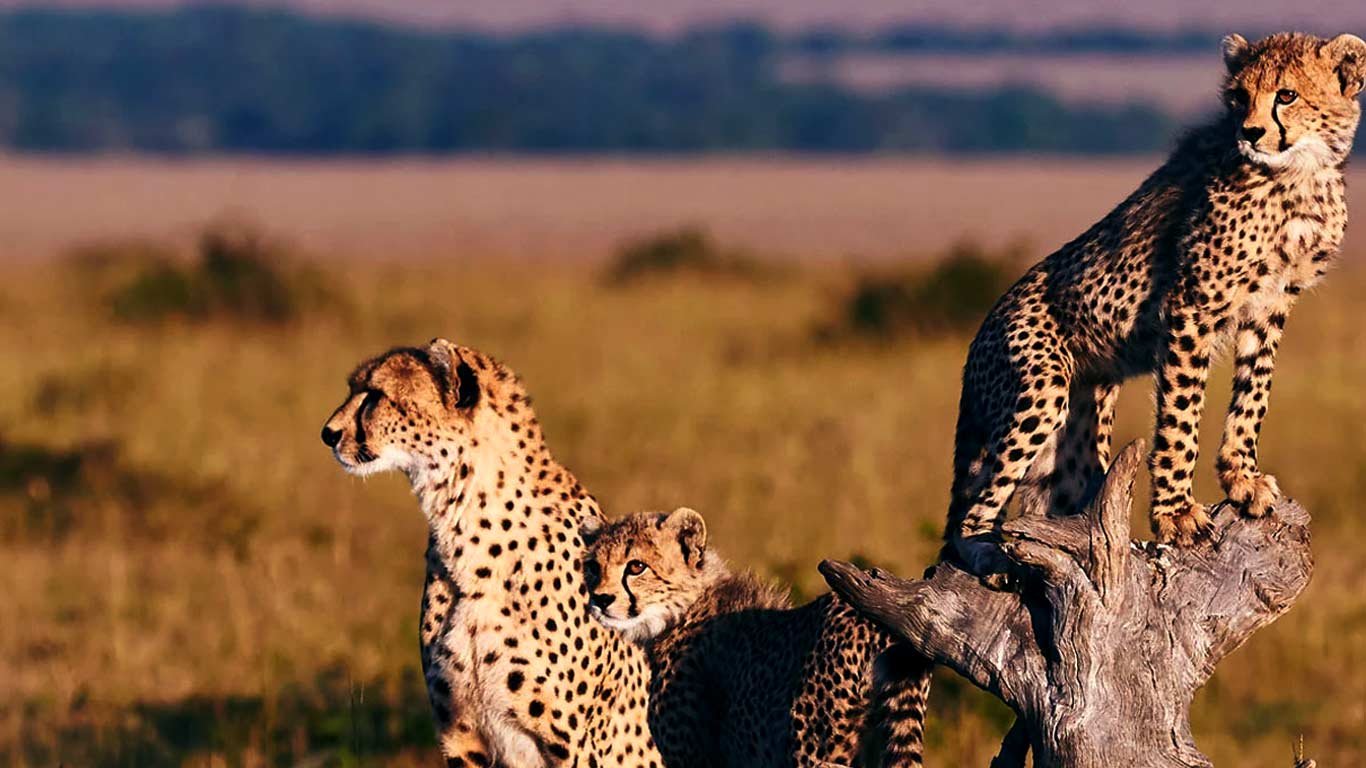
- Cheetah
- Hippo
- Flamingo
- Buffalo
Activities
What You Can Do
- Game drives
- Observation Hill panoramas
- Maasai village visits
- Photography
Elephants and the mountain
Amboseli: Big Tuskers Beneath Kilimanjaro
Amboseli exists in the popular imagination as a single image: a line of elephants crossing open dust with the snows of Kilimanjaro filling the sky behind them. The park delivers that image more reliably than anywhere else on earth, and the mountain — which is in Tanzania, not Kenya — is clearest in the early morning before cloud builds around the summit.
The elephants here are the most studied in the world. Research has run continuously since 1972, individual animals are known by name across generations, and the population includes some of the last great tuskers in Africa — bulls whose ivory reaches the ground. Because they have been protected and observed for so long, they are exceptionally relaxed around vehicles.
The landscape is dry, dusty and open, fed by underground springs from Kilimanjaro's meltwater that create permanent swamps in the middle of the park. Those swamps are the key to everything: elephant, buffalo, hippo and hundreds of waterbirds concentrate there, and the open ground makes for exceptional photography.
What you see
Amboseli Highlights
Kilimanjaro views
The classic backdrop, clearest at dawn and again in the last hour of light. Cloud usually closes in over the summit by mid-morning.
Great tuskers
Some of the last elephants in Africa carrying ivory that reaches the ground, in a population studied continuously for over fifty years.
The swamps
Kilimanjaro meltwater surfaces here, creating permanent wetland that draws elephant, buffalo, hippo and enormous numbers of birds year-round.
Observation Hill
One of the few places in a Kenyan park where you can leave the vehicle and walk, with a panorama across the swamps and plains to the mountain.
Planning
Amboseli FAQs
When are the Kilimanjaro views best?
June to October and January to February, in the early morning and late afternoon. The mountain is usually visible at dawn and then disappears behind cloud from mid-morning until late in the day. During the rains the summit can stay hidden for days at a time. If the photograph is the reason you are going, build in two or three mornings rather than one.
What wildlife will I see besides elephants?
Buffalo, hippo, giraffe, zebra, wildebeest, and good numbers of plains game. Lion, cheetah and hyena are present but sightings are less reliable than in the Mara. Amboseli is not a big-cat park, and leopard are rare. Birdlife is outstanding — over 400 species, with the swamps drawing pelicans, herons, storks and flamingos.
How long should I stay?
Two nights is right for most itineraries. The park is small and can be covered thoroughly in a couple of days, and the classic combination is Amboseli with the Masai Mara, which offers a completely different landscape and much stronger predator viewing. Amboseli also sits conveniently between Nairobi and the Tanzanian border for a cross-border trip.
Itineraries
Safaris Featuring Amboseli National Park
6 Days Kenya Holiday Safaris: Masai Mara, Lake Nakuru, Amboseli
Masai Mara → Lake Nakuru → Amboseli → Kilimanjaro
- Mid-range
- 4×4 Land Cruiser
From $1,800 pp
View details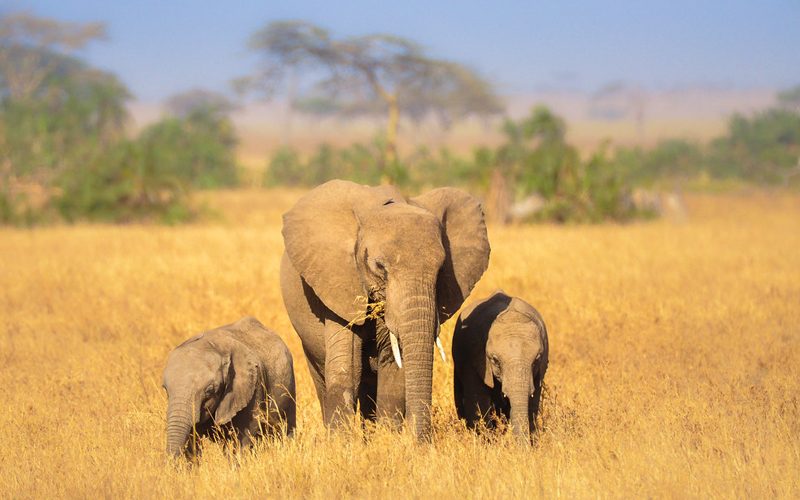
Let's plan together
Ready to Experience Tanzania?
Tell us your dates and dreams — our Arusha team will craft a private itinerary within 24 hours.
