
Southern Circuit
Ruaha National Park
Tanzania's wild southern heart
About Ruaha National Park
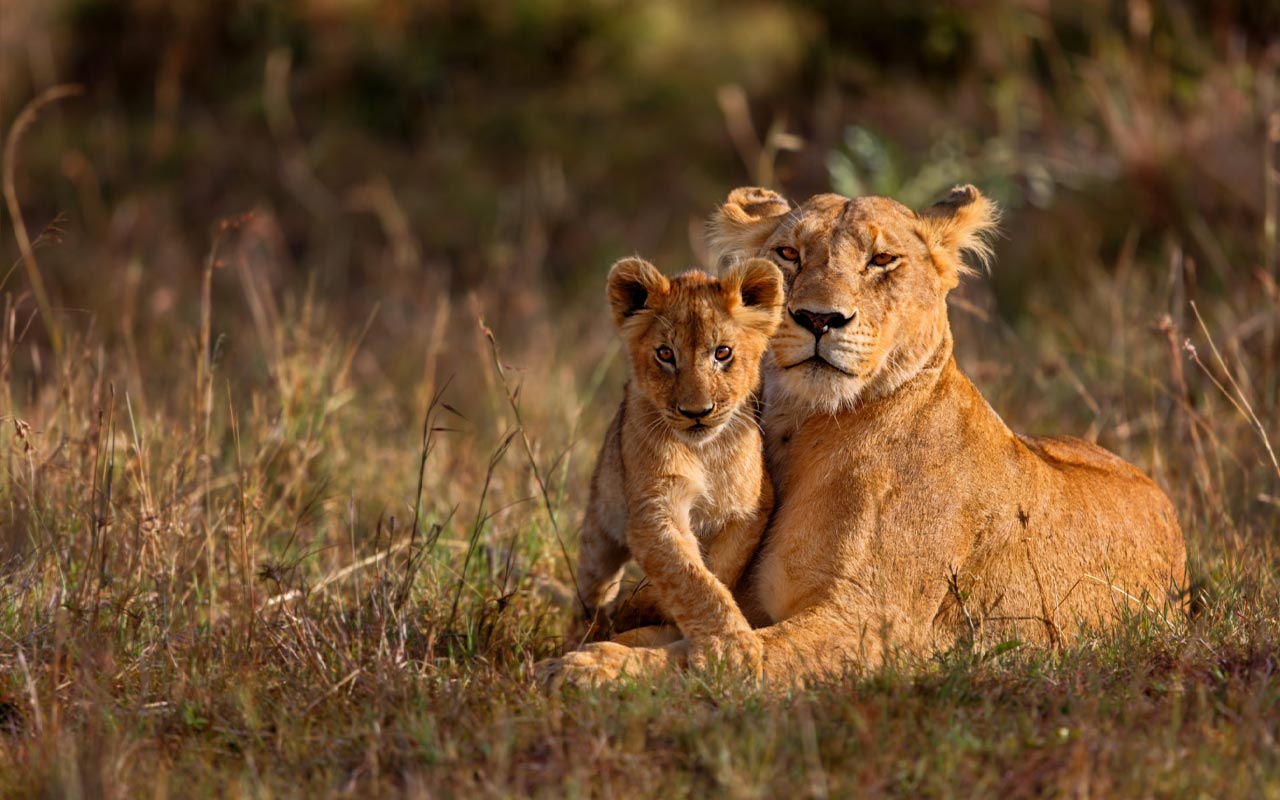
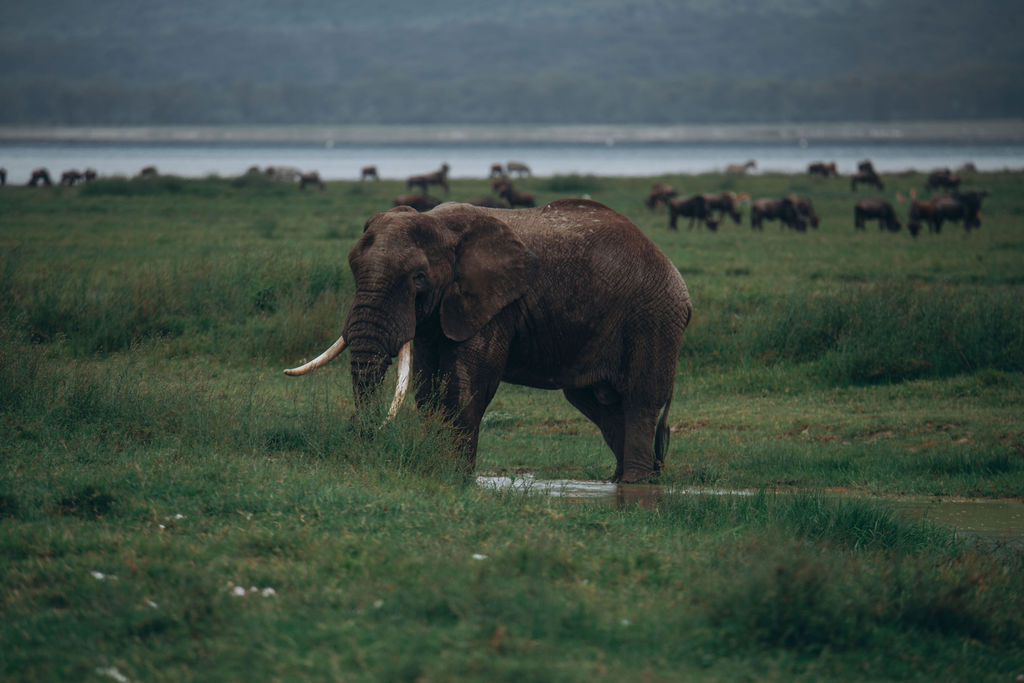
Ruaha is Tanzania's wild southern heart — a huge, baobab-studded wilderness where the Great Ruaha River draws elephant, kudu, sable and roan antelope through the dry season. It holds some of East Africa's largest lion prides and a healthy population of leopard and wild dog.
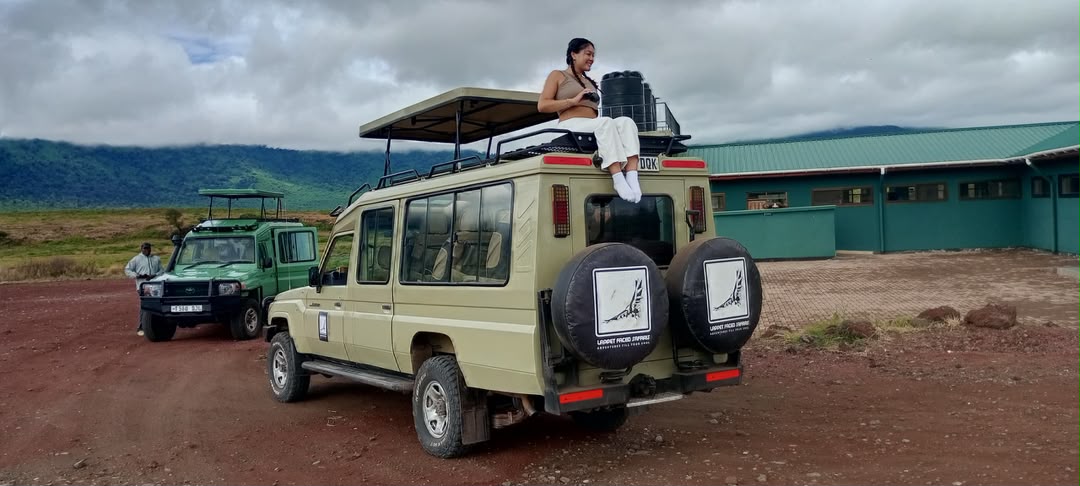
What makes Ruaha special is the solitude: this is one of the largest parks in Africa, yet it sees only a handful of visitors. Game drives here feel like private expeditions, ending with sundowners under thousand-year-old baobabs.
Combine Ruaha with Nyerere or Mikumi for a full southern circuit — flights connect from Dar es Salaam and Arusha.
Wildlife
What You'll See
- Lion
- Leopard
- African Wild Dog
- Elephant
- Kudu
- Sable
- Roan Antelope
Activities
What You Can Do
- Game drives
- Walking safaris
- Birdwatching
- Sundowners under baobabs
The southern giant
Why Ruaha Rewards a Second Safari
Ruaha is the largest national park in Tanzania and one of the largest in Africa, yet it receives a tiny fraction of the Serengeti's visitors. That combination — enormous space, very few vehicles — is the whole argument for coming here. Sightings are shared with nobody, and the sense of genuine wilderness is something the northern circuit cannot match in high season.
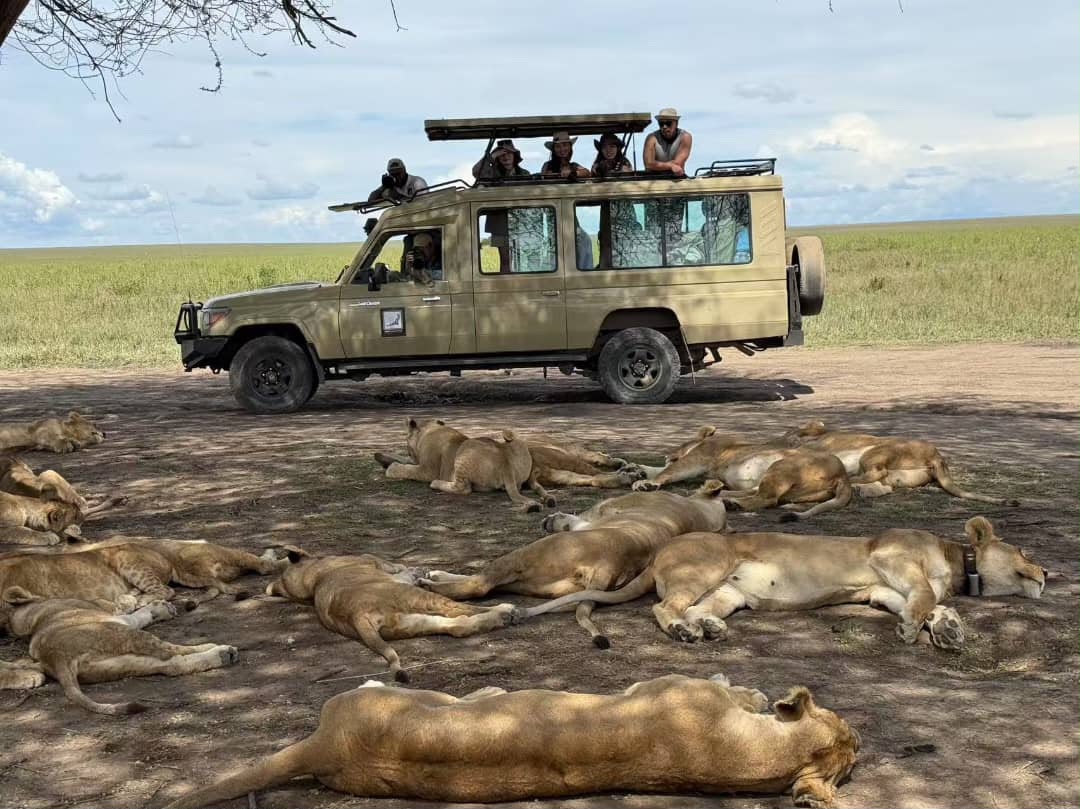
The park sits at a transition zone where eastern and southern African species overlap, so the game list is unusual: greater and lesser kudu, sable and roan antelope alongside the more familiar plains game. Ruaha holds one of the largest elephant populations in East Africa and an exceptional lion density, with prides that are notably large — groups of twenty are not rare.
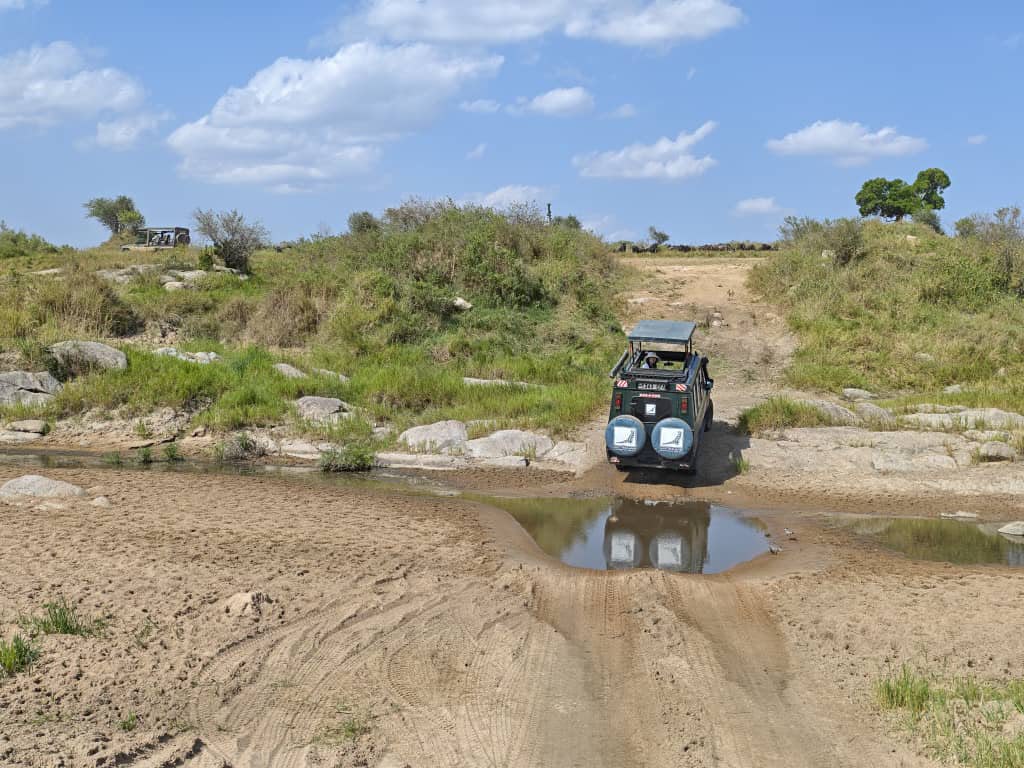
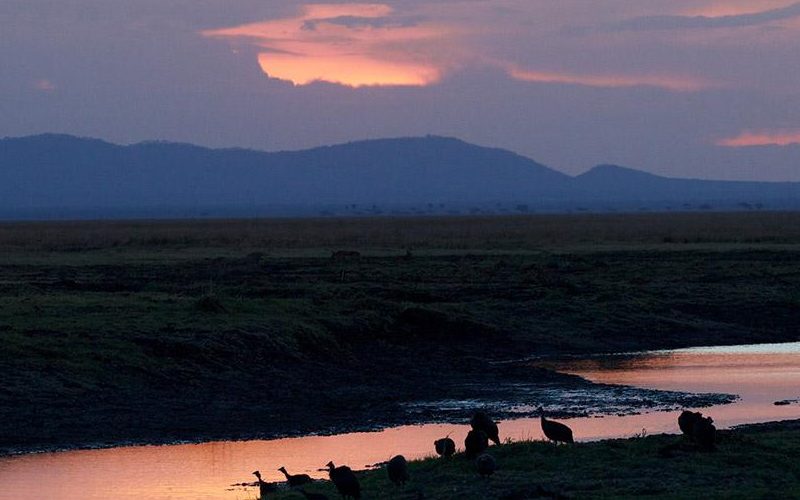
The Great Ruaha River is the spine of the park. In the dry season it shrinks to a series of pools, and everything comes to drink, which makes game viewing along the sand river extraordinarily productive from June onward.
What you see
Ruaha Highlights
Exceptional lion prides
Ruaha holds around ten percent of the world's remaining lions, in prides that are among the largest anywhere. Buffalo-hunting behaviour is regularly observed here.
Both kudu species
One of very few places where greater and lesser kudu occur together, alongside sable and roan antelope — species most northern-circuit visitors never see.
Huge elephant numbers
Among the largest elephant populations in East Africa, concentrated along the Great Ruaha River as the dry season deepens.
African wild dog
Ruaha and neighbouring Nyerere form one of the last strongholds of this endangered predator, and sightings, while never guaranteed, are realistic.
Planning
Ruaha FAQs
When is the best time to visit Ruaha?
June to October is the prime window. The Great Ruaha River contracts to isolated pools, vegetation thins, and game concentrates on the remaining water in numbers that are hard to believe. October is hot but spectacular. The green season from January to April brings dramatic skies, migrant birds and newborn animals, but the grass is high and many camps close between March and May.
How do I get to Ruaha?
Most visitors fly. Scheduled light aircraft run daily from Dar es Salaam, Arusha, Zanzibar and Nyerere National Park, taking roughly two hours from the coast. Driving from Dar es Salaam takes a long day on mixed roads via Iringa. Because of the flight cost, Ruaha is usually combined with Nyerere as a southern-circuit pair rather than visited alone.
Is Ruaha good for a first safari?
It is superb, but the northern circuit is usually the better first trip — shorter transfers, cheaper access, and the Ngorongoro Crater and migration on the same route. Ruaha comes into its own for a second visit, when you want space and solitude more than a species checklist. Guests who dislike crowded sightings often prefer it outright.
Gallery
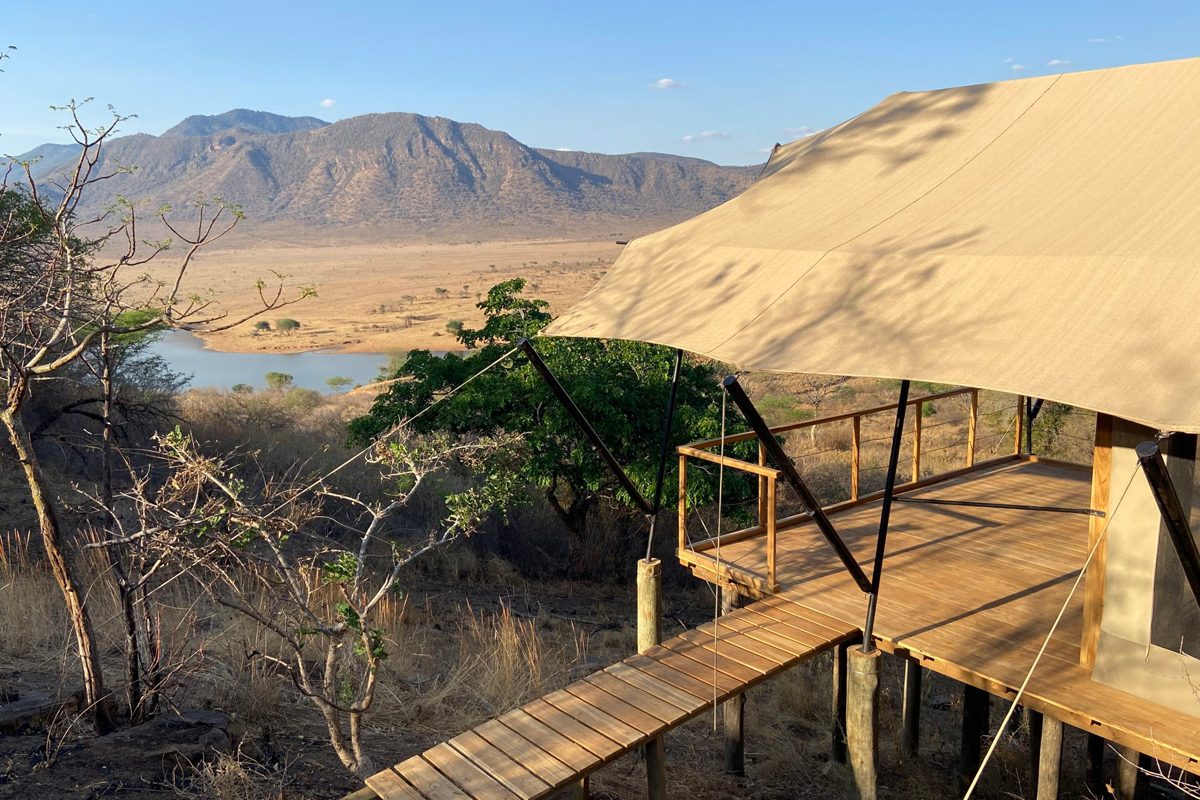
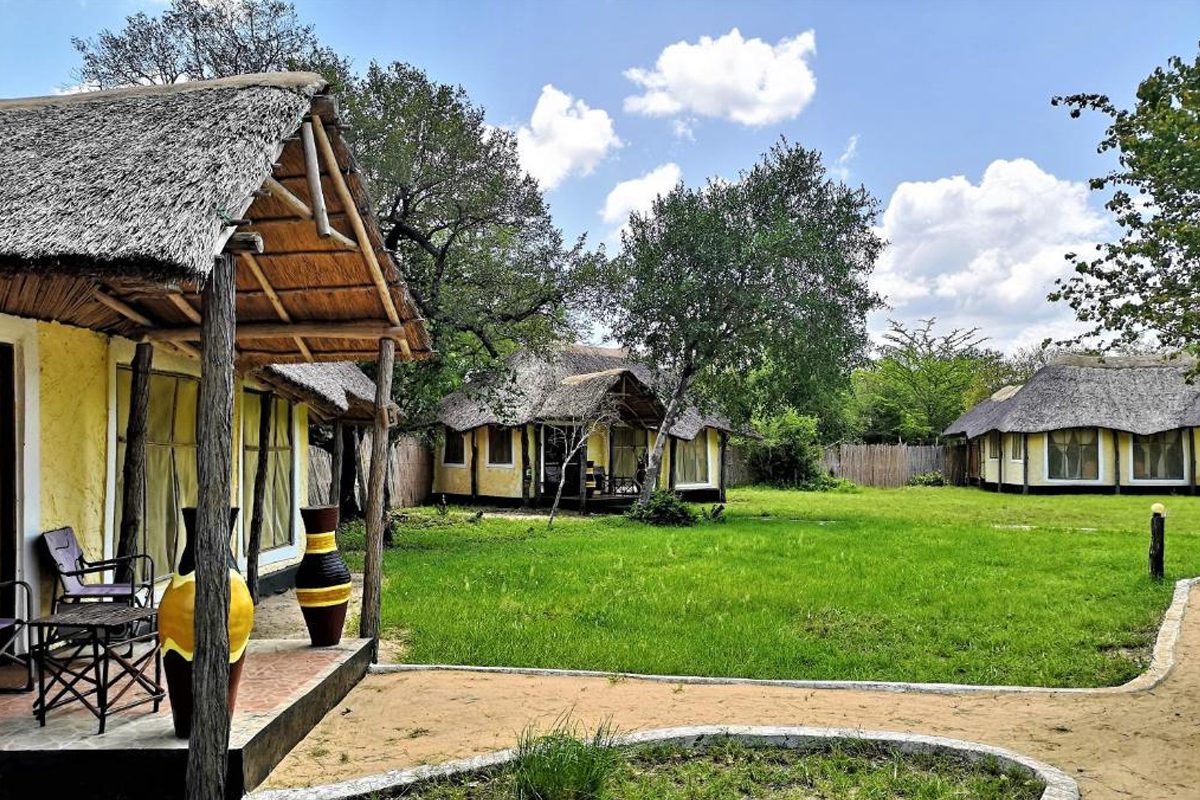
A Glimpse of Ruaha National Park
Let's plan together
Ready to Experience Tanzania?
Tell us your dates and dreams — our Arusha team will craft a private itinerary within 24 hours.
