
Northern Circuit
Mkomazi National Park
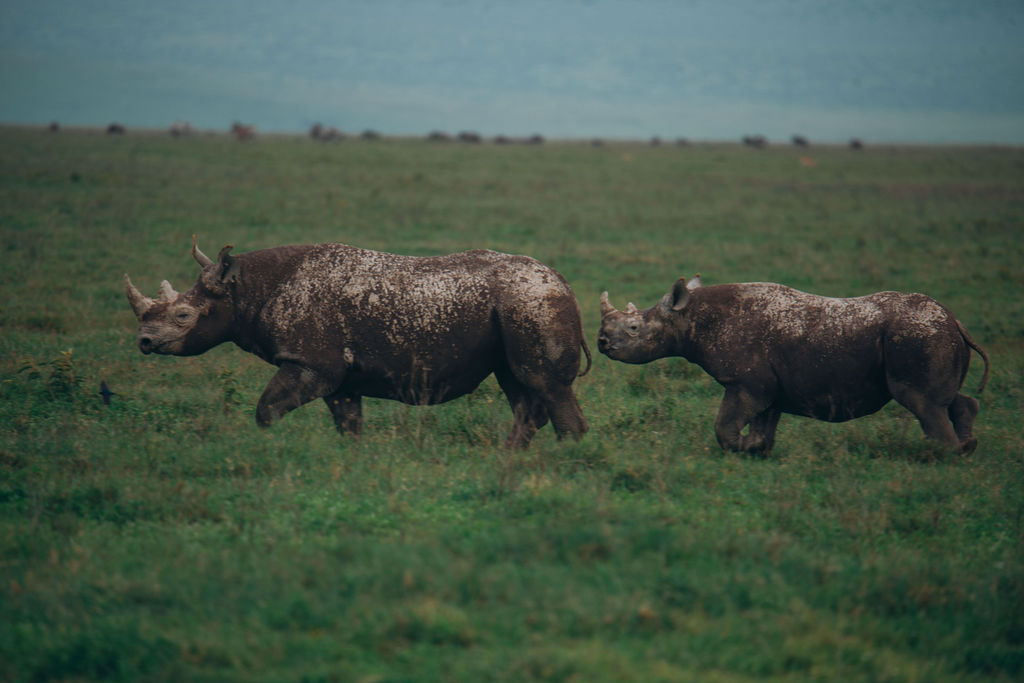
Black rhino and wild dog beneath the Usambara mountains
About Mkomazi National Park
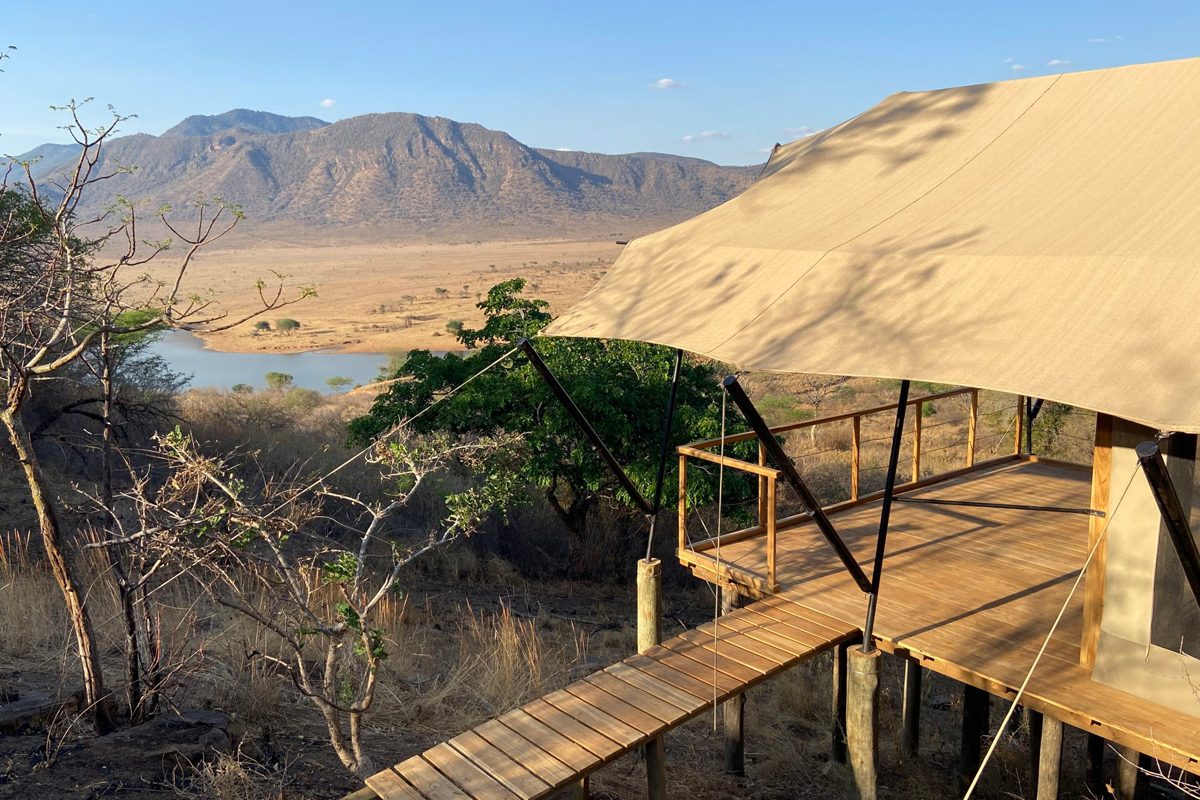
Mkomazi sweeps beneath the Pare and Usambara mountains in Tanzania's far north-east — a dry-country wilderness of acacia and baobab that shelters two of Africa's rarest mammals: black rhino and African wild dog, both protected in dedicated sanctuaries.
With Kilimanjaro often visible on the horizon and hardly another vehicle in the park, Mkomazi is an easy, rewarding detour between Arusha and the coast.
Wildlife
What You'll See
- Black Rhino
- African Wild Dog
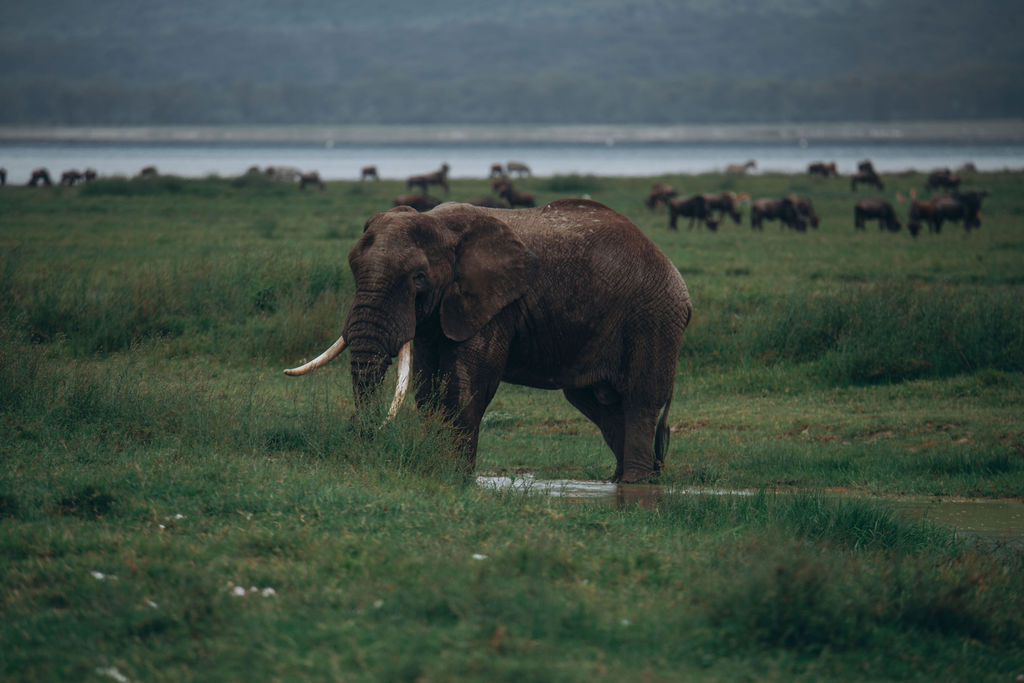
- Elephant
- Oryx
- Gerenuk
- Giraffe
- Kudu
Activities
What You Can Do
- Game drives
- Rhino sanctuary visits
- Walking safaris
- Birdwatching
The dry north-east
Mkomazi: Rhino Sanctuary Under Kilimanjaro
Mkomazi sits in the far north-east of Tanzania against the Kenyan border, forming a single ecosystem with Kenya's Tsavo parks on the other side. It is dry, thorny, semi-arid country — a different Tanzania from the green northern circuit — with the Pare and Usambara mountains rising to the south and, on clear mornings, Kilimanjaro visible to the west.
The park matters most for what it protects. Mkomazi holds a fenced black rhino sanctuary established to rebuild a population that had been poached to nothing, and it is one of the very few places in Tanzania where black rhino exist at all. It also runs a captive breeding programme for African wild dog, another species pushed to the edge across its range.
The general game viewing is modest by Tanzanian standards, but the species list is unusual: gerenuk standing on their hind legs to browse, lesser kudu, oryx and Grant's gazelle — dry-country animals that most visitors to the northern circuit never encounter.
What you see
Mkomazi Highlights
Black rhino sanctuary
A protected breeding population of one of the most endangered large mammals on earth, and one of the few places in Tanzania where black rhino survive.
Dry-country specialists
Gerenuk, lesser kudu, oryx and Grant's gazelle — an arid-zone species list you will not see in the Serengeti or Ngorongoro.
Wild dog breeding programme
A conservation project working to restore African wild dog to the wider ecosystem, with an education centre explaining the work.
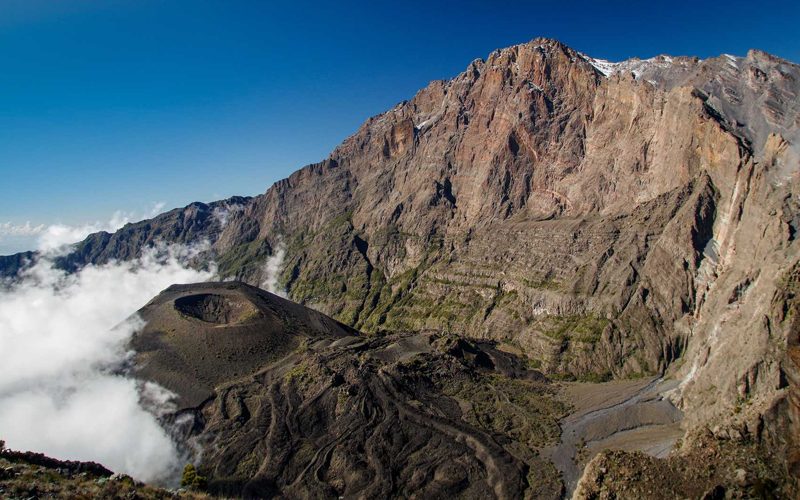
Views to Kilimanjaro
On clear mornings the mountain rises to the west across dry thornbush, and the Pare and Usambara ranges frame the southern horizon.
Planning
Mkomazi FAQs
Is Mkomazi worth a visit?
As an add-on rather than a destination. Game densities are low compared with the northern circuit, and Mkomazi will disappoint anyone expecting a classic safari. It earns its place for the rhino sanctuary, the unusual dry-country species and the near-total absence of other visitors. It works well as a day or overnight stop for travellers moving between Kilimanjaro and the coast, or for anyone with a strong conservation interest.
Can I see the rhinos?
The sanctuary is a managed breeding facility rather than an open game-viewing area, so access is restricted and sightings are not guaranteed. Visits are arranged through the park authority and need to be requested in advance — tell us at the booking stage and we will make the arrangements rather than leaving it to chance on the day.
When should I go?
June to October and December to March are the dry windows, when game concentrates around the remaining water and the roads are easy. This is genuinely hot country, so early morning and late afternoon are the productive hours. The rains in April and May make some tracks difficult.
Gallery
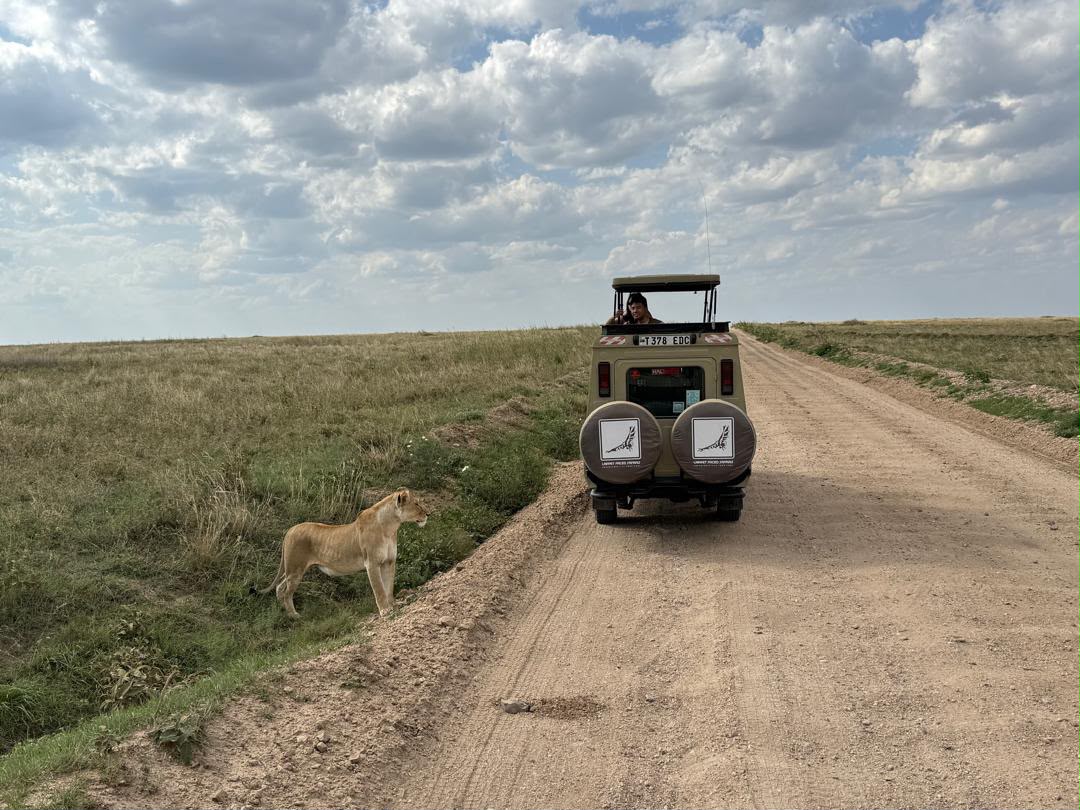
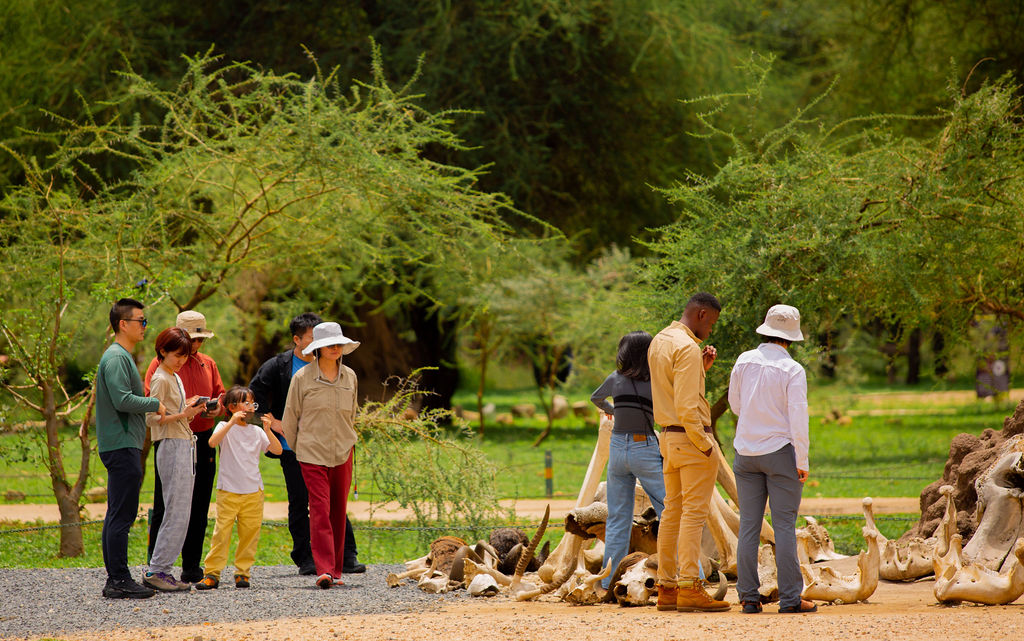
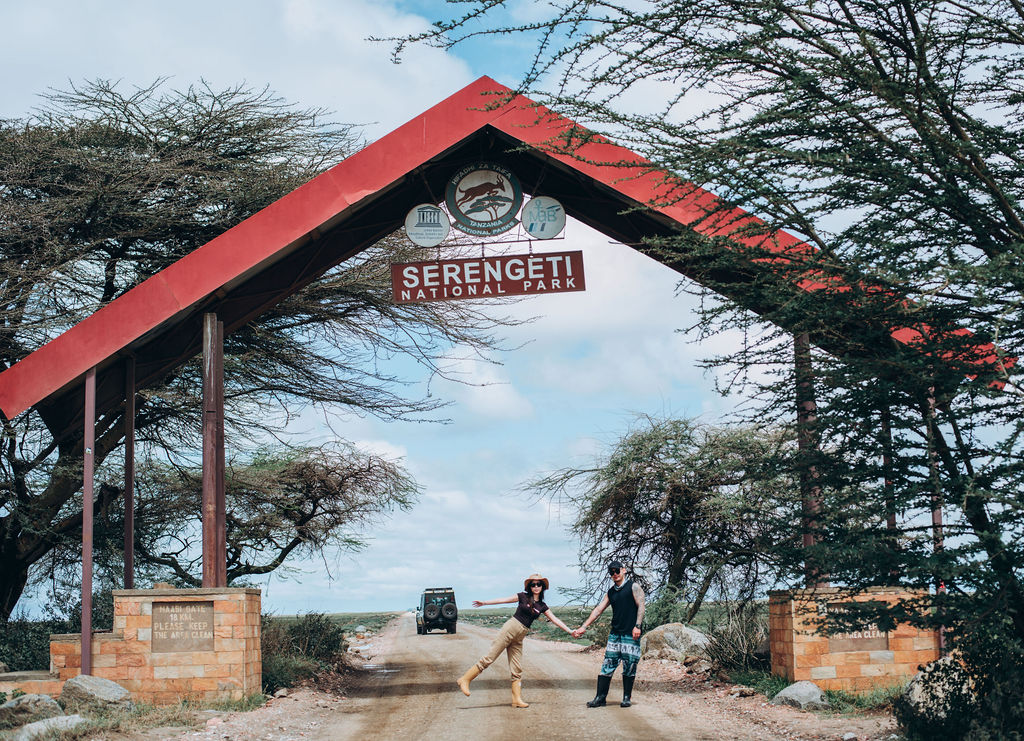
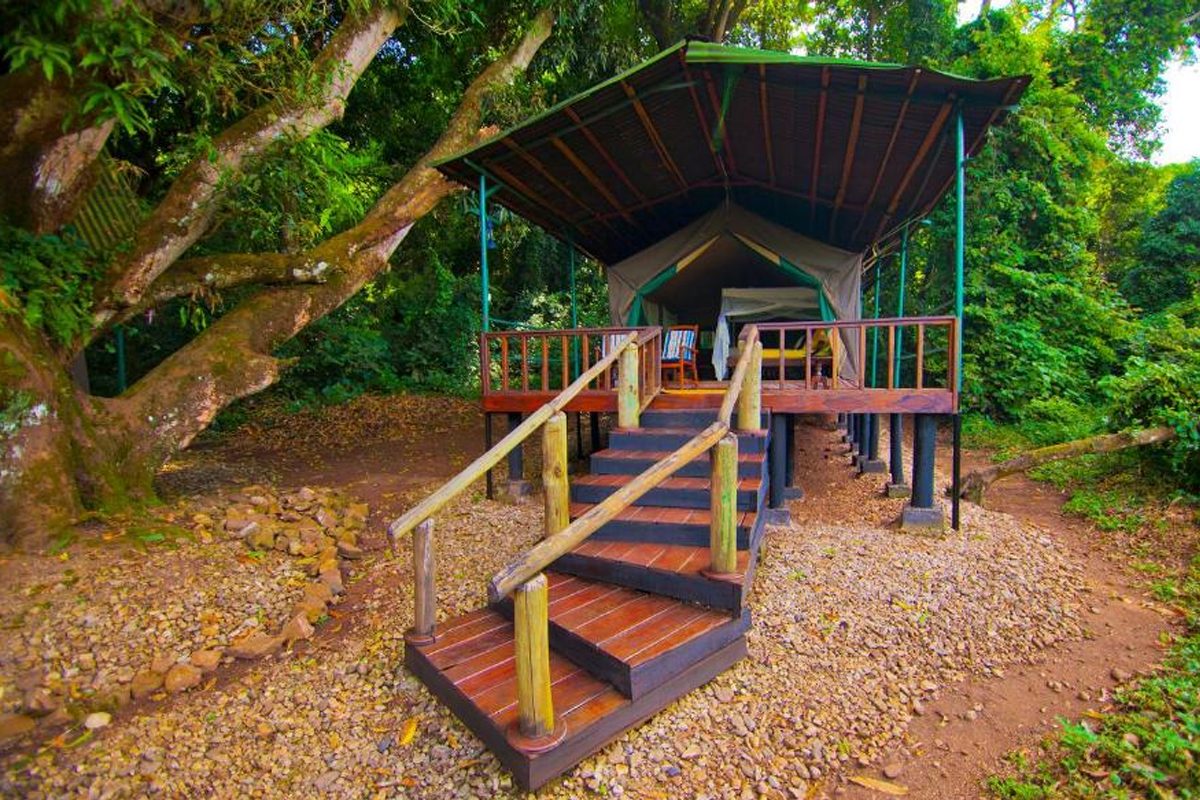
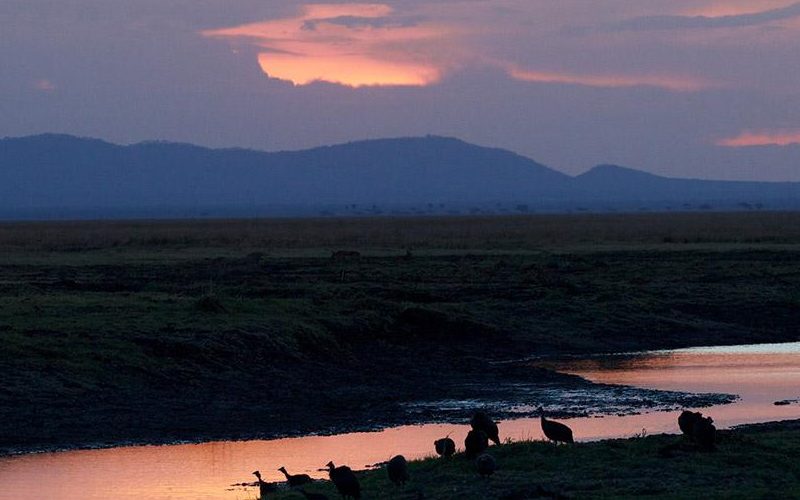
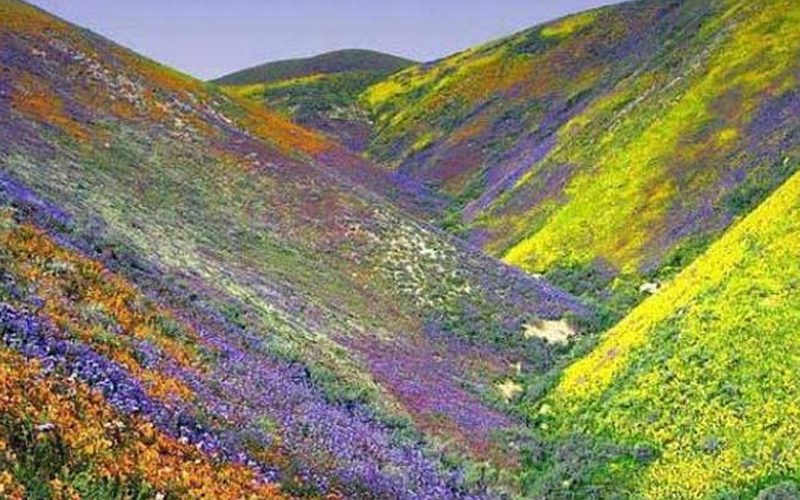
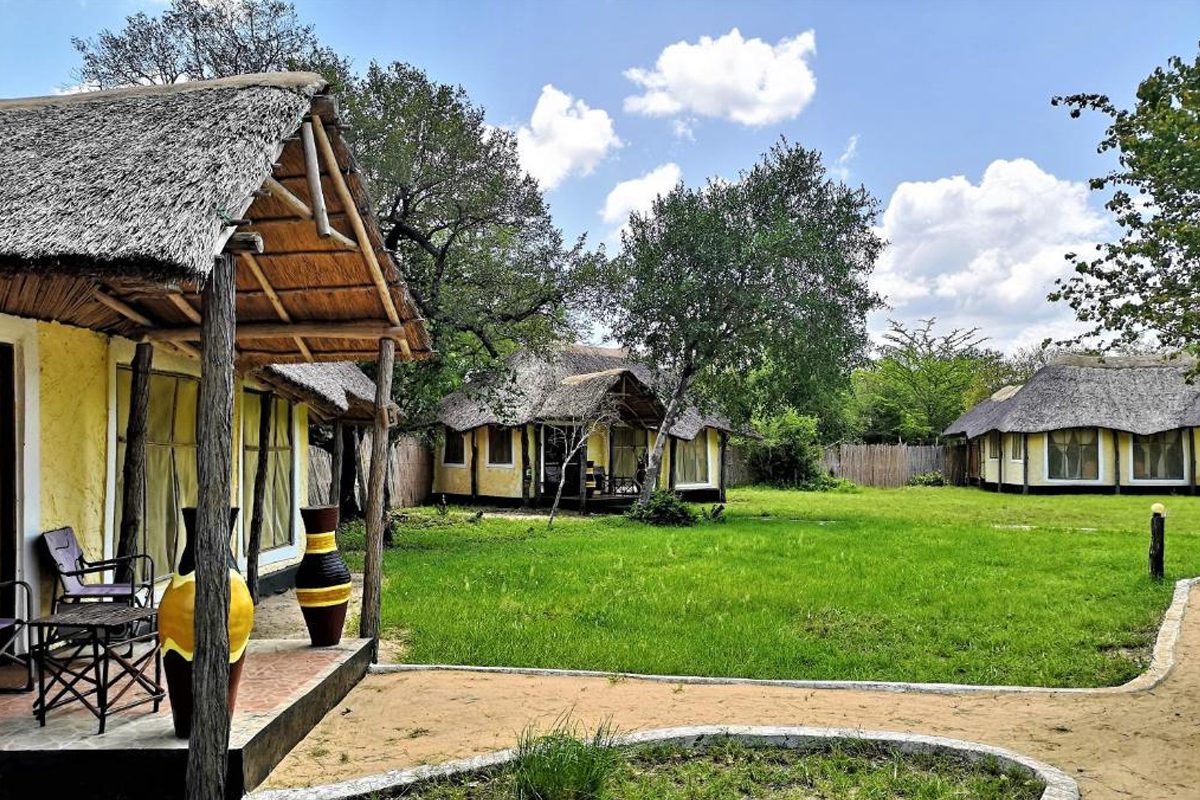
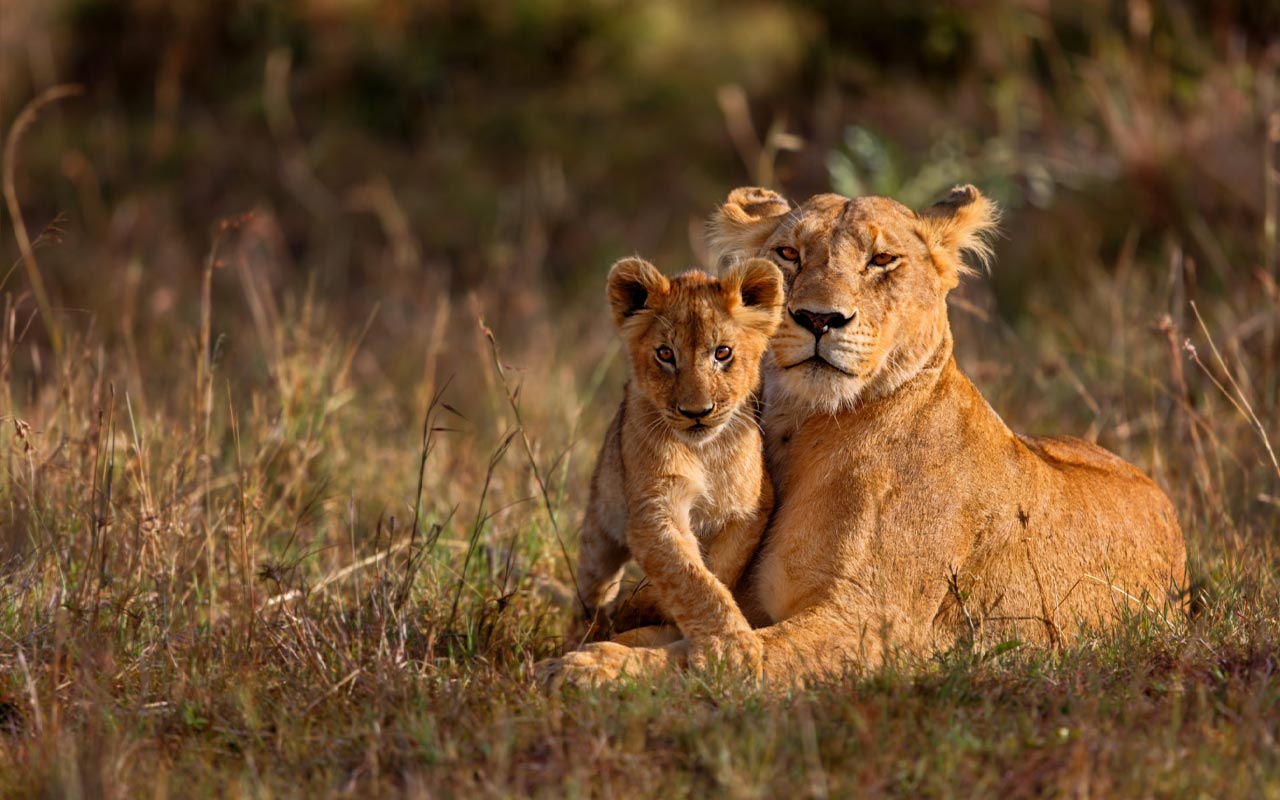
A Glimpse of Mkomazi National Park

Let's plan together
Ready to Experience Tanzania?
Tell us your dates and dreams — our Arusha team will craft a private itinerary within 24 hours.
