
🇷🇼 Rwanda
Rwanda Safari Destinations: Where to Go
The land of a thousand hills: mountain gorillas on the Virunga slopes, an ancient canopy rainforest and a Big Five comeback on the lakes.
Small, spotless and spectacular, Rwanda delivers three completely different wildernesses within a few hours of Kigali — the most accessible gorilla trekking in Africa, one of the continent's oldest rainforests, and a savannah park reborn.
Why Rwanda
Rwanda: The Land of a Thousand Hills
Rwanda is small — roughly the size of Wales or Massachusetts — and that is precisely its advantage. You can land in Kigali in the morning, drive two and a half hours on excellent tarmac, and be trekking mountain gorillas the next day. No internal flights, no long transfers, no wasted days. For travellers with limited time, no other gorilla destination comes close on logistics.
The country is extraordinarily beautiful: terraced hillsides in a dozen shades of green, volcanic peaks along the northern border, and the vast clear water of Lake Kivu to the west. Volcanoes National Park, where Dian Fossey did her work and where she is buried, protects the Rwandan portion of the Virunga massif and its gorilla families.
Rwanda has also deliberately positioned itself at the premium end of the market — its gorilla permits are the most expensive in the world, its lodges are among the finest in Africa, and visitor numbers are tightly controlled. Beyond the gorillas, Nyungwe Forest offers chimpanzee tracking and a canopy walkway suspended sixty metres above the forest floor, and Akagera in the east has been restored to a full Big Five park after lion and rhino were reintroduced.
The regions
Where to Go in Rwanda
Volcanoes National Park
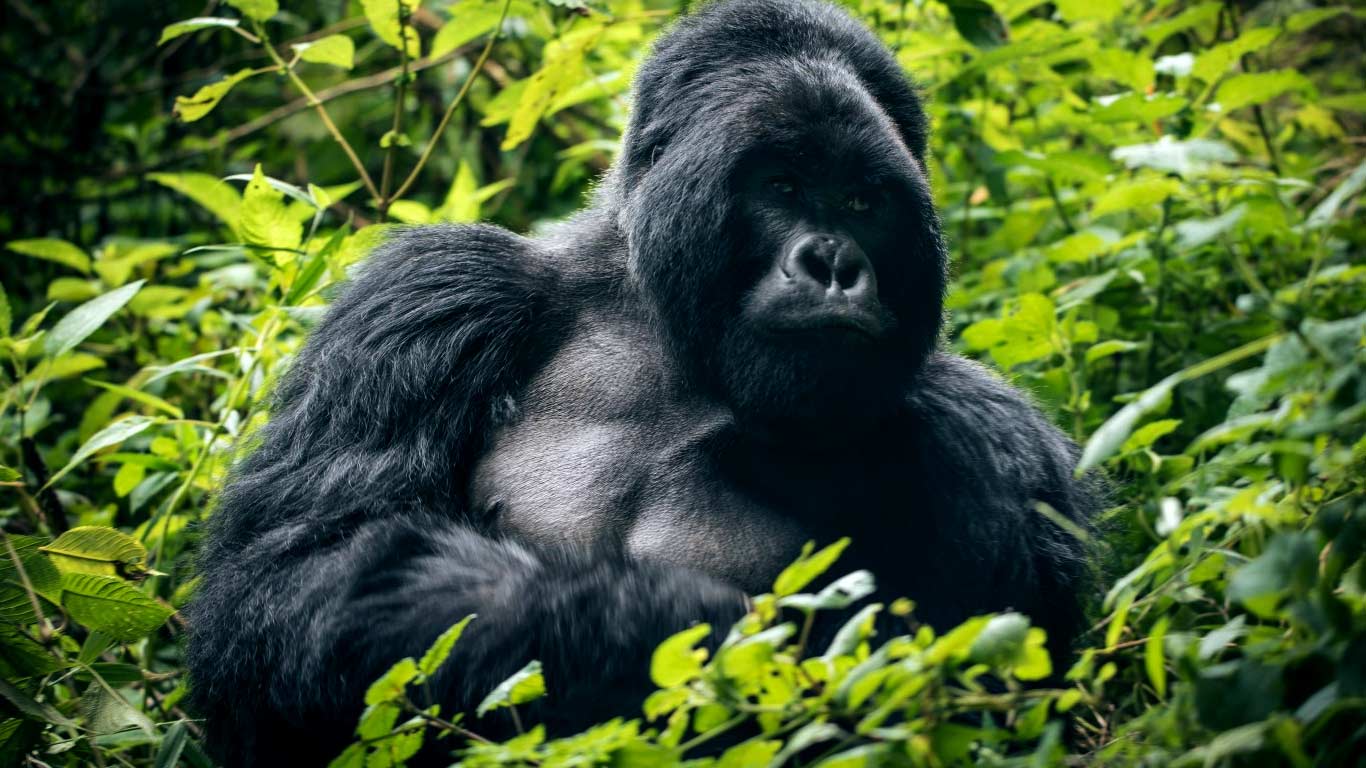
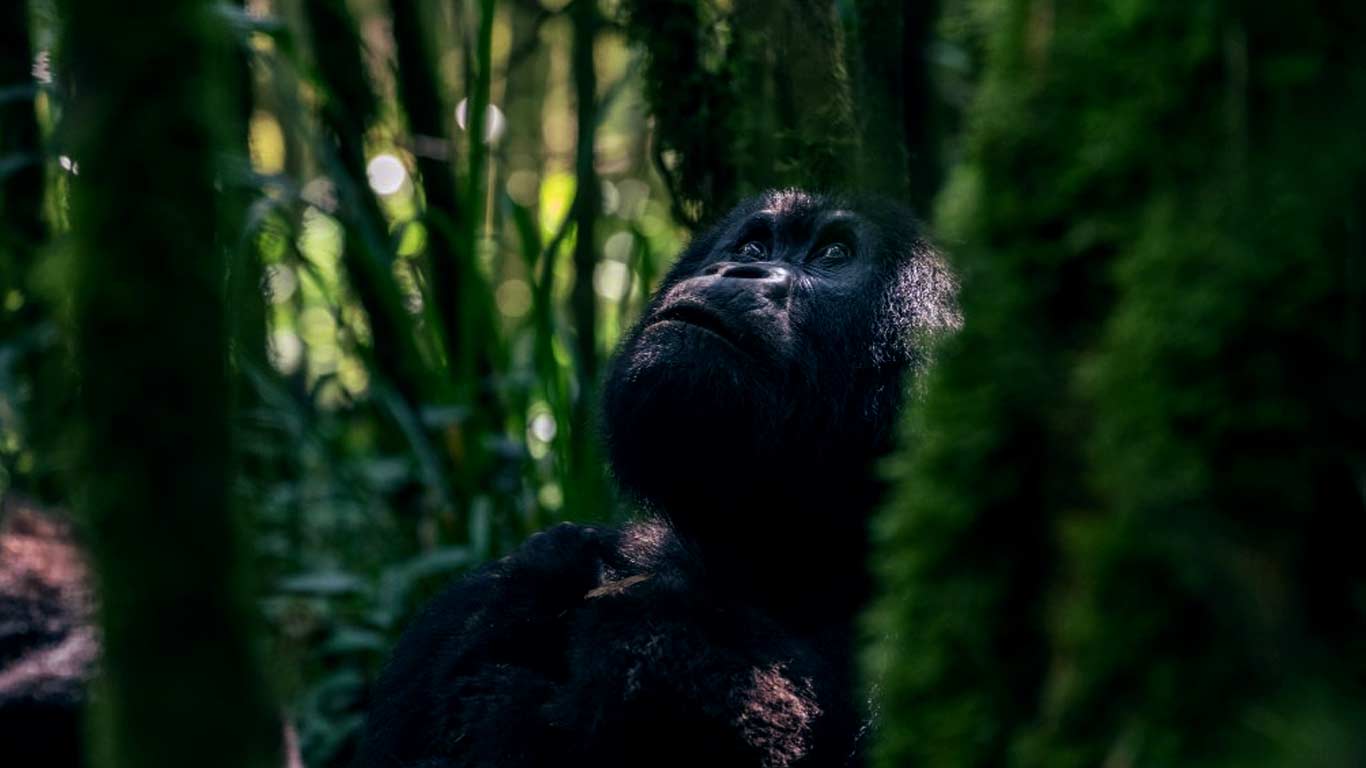
The Rwandan slice of the Virunga mountains, and the most accessible gorilla trekking on earth — two and a half hours from Kigali on good roads. Ten habituated families, golden monkey tracking as a superb second activity, and the Dian Fossey memorial hike for those who want the full story.
Nyungwe Forest
One of the oldest and largest montane rainforests in Africa, holding thirteen primate species including chimpanzees and enormous troops of Angolan colobus. The canopy walkway — a suspension bridge sixty metres above the forest floor — is the single most memorable walk in the country.
Akagera National Park
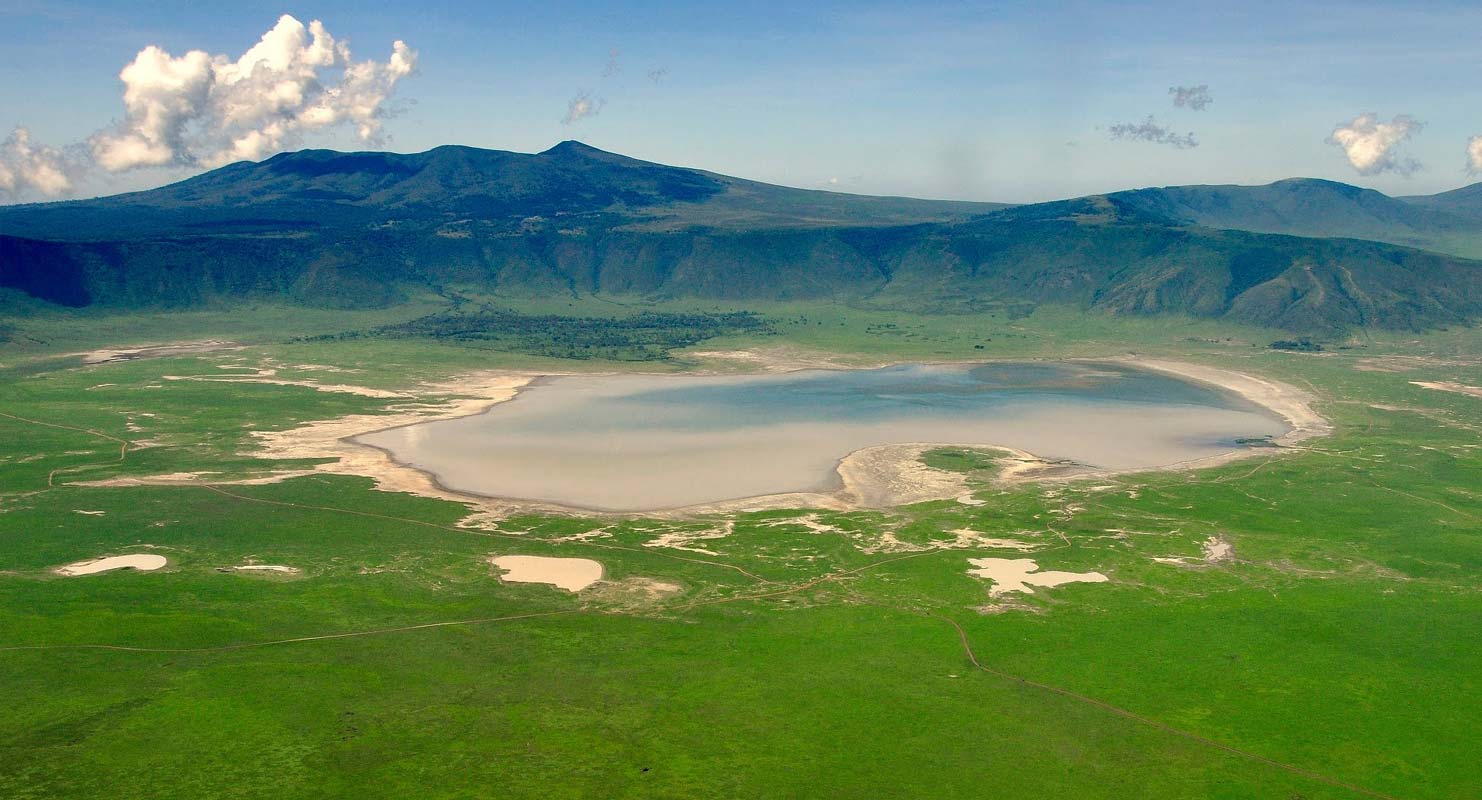
Rwanda's savannah park on the Tanzanian border, and one of conservation's genuine success stories. Lion were reintroduced in 2015 and black rhino in 2017, restoring the Big Five to a park that had lost them. Lakes, wetlands and rolling plains, with boat safaris available.
Lake Kivu
A vast, deep freshwater lake along the western border with no bilharzia and no crocodiles, which makes it one of the few African lakes you can simply swim in. Gisenyi and Kibuye offer beaches, kayaking and coffee-plantation walks — the natural place to unwind after trekking.
Kigali
Genuinely one of the cleanest and safest capital cities in Africa, and worth a night in its own right. The Kigali Genocide Memorial is essential and difficult; the coffee scene, art galleries and food are excellent.
Timing
Best Time to Visit Rwanda
| Months | Season | Conditions | Notes |
|---|---|---|---|
| June – September | Long dry season | Firmest trails, clearest views of the volcanoes, easiest trekking | Peak season — permits must be secured many months ahead. |
| December – February | Short dry season | Good trekking conditions, warm, generally clear | The second peak; a strong choice for combining with Tanzania. |
| March – May | Long rains | Very muddy trails, heavy afternoon rain, lush forest | Lowest visitor numbers; permits far easier to obtain. |
| October – November | Short rains | Intermittent showers, green hillsides, good value | Trekking remains entirely feasible between showers. |
Rwanda in figures
Small Country, Short Distances
- 2.5 hrs
- Kigali to the gorillasOn good tarmac. No internal flights and no wasted travel days.
- 10
- Habituated familiesIn Volcanoes National Park, each visited by a maximum of eight people per day.
- 13
- Primate speciesIn Nyungwe Forest, including chimpanzees and huge Angolan colobus troops.
- Big Five
- Restored in AkageraLion returned in 2015 and black rhino in 2017 after decades of absence.
Planning notes
Practical Points for a Rwanda Trip
- Secure gorilla permits before booking flights - they are limited and dated
- Three or four days is genuinely enough for a gorilla trip, thanks to the short transfers
- Trekking starts early: briefing at the park headquarters is at seven in the morning
- Pack layers - Volcanoes National Park sits above 2,500 metres and mornings are cold
- Add golden monkey tracking as a second day; it is inexpensive and delightful
- Allow half a day in Kigali for the Genocide Memorial before or after the park
- Single-use plastic bags are banned nationwide - do not bring them into the country
- Lake Kivu is bilharzia-free and safe to swim in, which is rare in the region
Signature experiences
What to Do Beyond the Gorillas
Most visitors come for one hour with the gorillas. Rwanda is small enough that adding two or three of these costs very little time.
Golden monkey tracking
In the bamboo zone of Volcanoes National Park, a fraction of the price of a gorilla permit and enormously entertaining — bright, fast, acrobatic monkeys that occur only in the Virunga and Nyungwe forests.
Read moreThe Dian Fossey memorial hike
A steep two-hour climb to the ruins of the Karisoke research camp and to Fossey's grave, beside those of the gorillas she studied. The most affecting walk in the country, and the context that makes the trek itself mean more.
Nyungwe canopy walkway
A suspension bridge sixty metres above the floor of one of Africa's oldest montane rainforests, with chimpanzees, thirteen primate species and enormous colobus troops in the trees below.
Read moreAkagera by boat and by vehicle
Rwanda's savannah park on the Tanzanian border, restored to a full Big Five destination after lion returned in 2015 and black rhino in 2017. Boat safaris on Lake Ihema add something no other Rwandan park offers.
Read moreLake Kivu
One of very few African lakes with no bilharzia and no crocodiles, which means you can simply swim. Kayaking, island hopping, coffee plantation walks and a genuinely relaxing few days after the trekking.
Kigali
Clean, safe, walkable and full of good food, coffee and contemporary art. The Genocide Memorial is essential and difficult, and it explains a great deal about the country you are travelling through.
Rwanda questions
Rwanda Safari FAQs
What should I know about Rwandan culture and etiquette?
Rwandans are formal and courteous, and a greeting before any request goes a long way. Dress modestly outside the lodges. Photographing people without asking is genuinely resented, and photographing government buildings or military is prohibited. Single-use plastic bags are banned nationwide and confiscated at the airport, so leave them at home. The last Saturday of each month is Umuganda, a national community-work morning when shops close and travel is restricted until midday.
Is Rwanda expensive to visit?
The permits are, and the rest is more reasonable than the country's reputation suggests. Lodges span everything from simple guesthouses near the park to some of the most expensive rooms in Africa, and the mid-range options around Musanze are good value. Food, transport and internal travel are inexpensive. Because the country is small and no internal flights are needed, the total cost of a three or four-day gorilla trip is often lower than a comparable trip elsewhere despite the permit price.
What is the road network like?
Genuinely excellent, and it is one of the country's quiet advantages. Rwanda has some of the best-maintained tarmac in the region, so the drive from Kigali to Volcanoes National Park takes two and a half comfortable hours and Nyungwe is reachable in a long but easy day. There are no internal flights on a standard itinerary and no need for any. Roads are winding through the hills, so allow for slower average speeds than the distances suggest.
When should I book my permits?
As early as you reasonably can, and certainly before you book flights. Only eighty gorilla permits are available per day across the whole park, and June to September and December to February sell out many months in advance. The permit is issued for a specific date, so everything else in the itinerary is built around it. We hold and confirm permits at the time of booking, and a permit is only secure once it has been paid for.
Why are Rwanda gorilla permits so expensive?
Rwanda made a deliberate policy choice: a high permit price with strictly limited numbers, rather than volume tourism. The revenue funds conservation and a defined share goes directly to communities around the park, which is what has made local people the gorillas' strongest advocates. Whatever you make of the price, the mountain gorilla is the only great ape whose numbers are increasing, and this model is a large part of why. Uganda offers the same experience for considerably less if budget is the deciding factor.
Rwanda or Uganda for gorilla trekking?
Rwanda for convenience and comfort: a short drive from an international airport, generally easier terrain, and outstanding lodges. Uganda for value and variety: much cheaper permits, and the chance to add chimpanzees and a classic savannah safari in the same trip. If you have three or four days, choose Rwanda. If you have ten days and want a full East African journey, choose Uganda.
How fit do I need to be to trek gorillas in Rwanda?
Moderately fit. Treks in Volcanoes National Park last one to six hours on steep volcanic slopes at altitudes between 2,500 and 3,000 metres, where the thin air is felt. Groups are allocated on the morning by the park based on fitness and preference, so tell the warden honestly what you can manage. Porters are available at the trailhead, cost very little, and hiring one supports a former poacher turned guide — take one even if you think you do not need one.
How many days do I need in Rwanda?
Three days covers a gorilla trek comfortably: arrive in Kigali, transfer to Volcanoes National Park, trek the following morning, and return. Five days lets you add golden monkey tracking and Lake Kivu. Eight to ten days covers the whole country - gorillas, the chimpanzees and canopy walkway of Nyungwe, and Akagera for the savannah wildlife. The size of the country means very little of that time is spent in transit.
What else is there to do besides gorillas?
More than the price of the permits suggests. Golden monkey tracking in the same park is a fraction of the cost and enormously entertaining. The Dian Fossey memorial hike climbs to her research camp and grave. Nyungwe has chimpanzees and the canopy walkway. Akagera offers a full Big Five game drive and boat safaris on Lake Ihema. Lake Kivu has kayaking and coffee tours, and Kigali has the best food and art scene in the region.
Can I combine Rwanda with a Tanzania safari?
It is one of the best two-country trips in Africa and easier than most people assume. Direct flights connect Kigali with Kilimanjaro and with Nairobi, so a typical itinerary runs a northern-circuit Tanzania safari, flies to Kigali, and finishes with two or three nights for gorilla trekking. Twelve to fourteen days covers both without rushing. We arrange the permits, flights and both visas as a single booking.
Is Rwanda safe to visit?
Rwanda is consistently ranked among the safest countries in Africa for visitors, with very low crime, excellent roads and reliable infrastructure. Kigali is clean, orderly and comfortable to walk around. The country's history is recent and present — the Genocide Memorial is a serious and worthwhile visit — and Rwandans are generally open about it. Ordinary travel precautions are sufficient.
Ready to plan?
Plan your Rwanda journey
Premium gorilla permits are strictly limited — tell us your travel window early and we'll secure the whole itinerary.