
Uganda
Kibale Forest National Park
The primate capital of the world
About Kibale Forest National Park
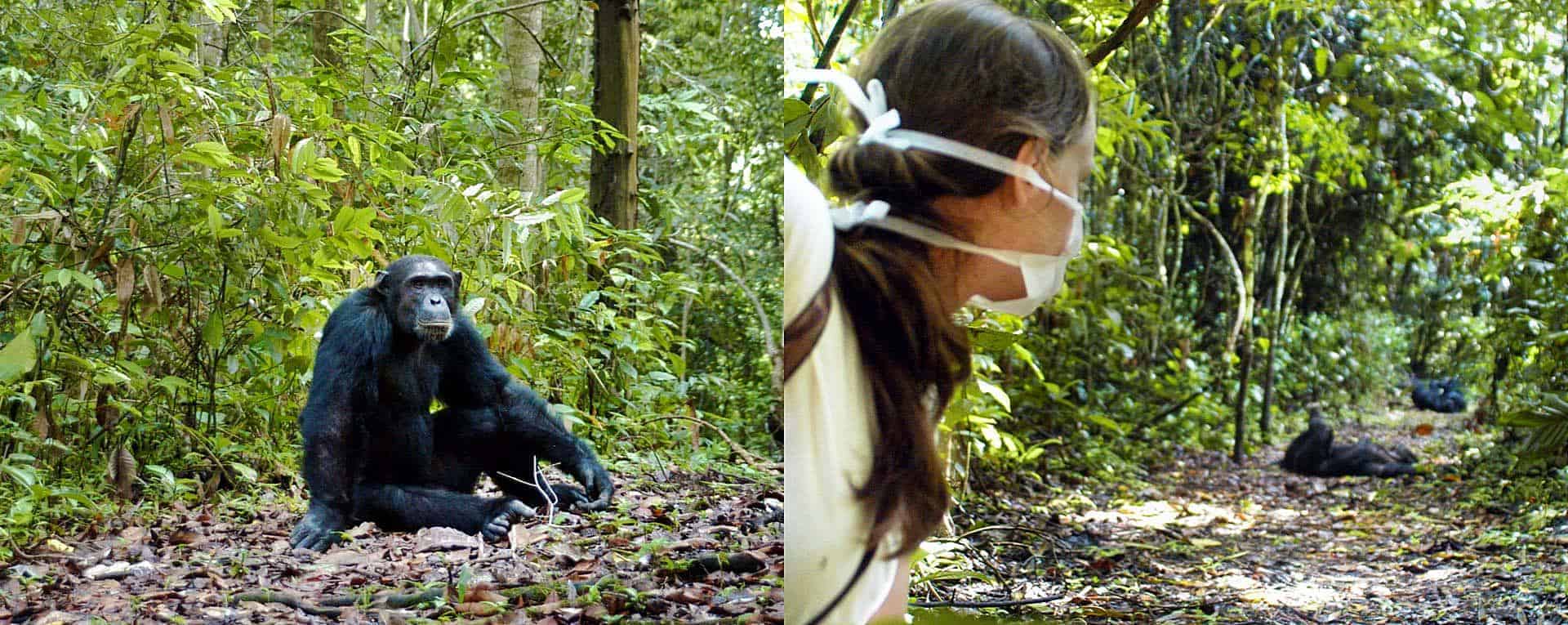
Kibale Forest is the primate capital of the world: thirteen species in one tall tropical rainforest, led by more than a thousand chimpanzees. Morning tracking walks bring you into the noisy heart of a chimp community — displays, grooming and infant play at close range.
Beside the forest, the Bigodi wetland walk delivers red colobus, grey-cheeked mangabey and dazzling birdlife. Kibale slots naturally between Queen Elizabeth Park and the road to Bwindi's gorillas.
Wildlife
What You'll See
- Chimpanzee
- Red Colobus
- Grey-cheeked Mangabey
- L'Hoest's Monkey
- 375 bird species
Activities
What You Can Do
- Chimpanzee tracking
- Chimp habituation
- Bigodi wetland walk
- Birdwatching
Primate capital
Kibale: The Best Chimpanzee Tracking in Africa
Kibale is a tall, moist evergreen rainforest in western Uganda, and it holds the highest concentration of primates in Africa — thirteen species, including a chimpanzee population of well over a thousand. For chimpanzee tracking specifically, it is the best place on the continent: several communities are thoroughly habituated, the terrain is largely flat compared with the gorilla forests, and success rates run above ninety percent.
A standard trek sets out in the morning with rangers who have located the community at their overnight nests. Finding them usually takes one to three hours, and you then have one hour in their company — watching them feed high in the canopy, groom, argue, and occasionally move fast and noisily through the undergrowth around you. Chimpanzees are far more vocal and far more active than gorillas, and the encounter has a completely different energy.
The park also offers a chimpanzee habituation experience, where you spend a full day with a community still being accustomed to human presence, accompanied by the researchers doing the work.
What you do
Kibale Highlights
Chimpanzee tracking
Habituated communities, over ninety percent success rates and relatively easy walking. The most reliable chimp encounter in Africa.
Full-day habituation
A dawn-to-dusk option with researchers and a community still being habituated, for anyone who wants far more than the standard hour.
Thirteen primate species
Red colobus, black-and-white colobus, grey-cheeked mangabey, L'Hoest's monkey, olive baboon and more, most seen on ordinary forest walks.
Bigodi Wetland Sanctuary
A community-run swamp walk next to the park with outstanding birding and eight primate species, where the fees fund local schools and clinics.
Planning
Kibale FAQs
How does chimp tracking compare to gorilla trekking?
Easier, cheaper and quite different in character. Kibale's terrain is far gentler than Bwindi's and the permit costs a fraction of a gorilla permit. Chimpanzees are noisy, fast and often high in the canopy, so the experience is energetic and sometimes frustrating for photographers, where gorillas are calm and close. Most visitors who do both are glad they did — they are not substitutes for one another.
What is the minimum age?
Twelve for standard chimpanzee tracking, which is lower than the fifteen required for gorillas, making Kibale a realistic option for families with older children. The full-day habituation experience has a higher minimum age. Passports are checked at the briefing.
When is the best time to visit?
The drier months of June to September and December to February give easier walking on firmer trails. Kibale is rainforest, so rain is possible in any month and a good jacket is essential year-round. The wet seasons of March to May and October to November mean muddy trails but fewer visitors and easier permits.
Itineraries
Safaris Featuring Kibale Forest National Park
6 days Uganda Gorilla Tour
Kibale → Queen Elizabeth → Bwindi
- Mid-range
- 4×4 Land Cruiser
From $1,800 pp
View details
Let's plan together
Ready to Experience Tanzania?
Tell us your dates and dreams — our Arusha team will craft a private itinerary within 24 hours.
