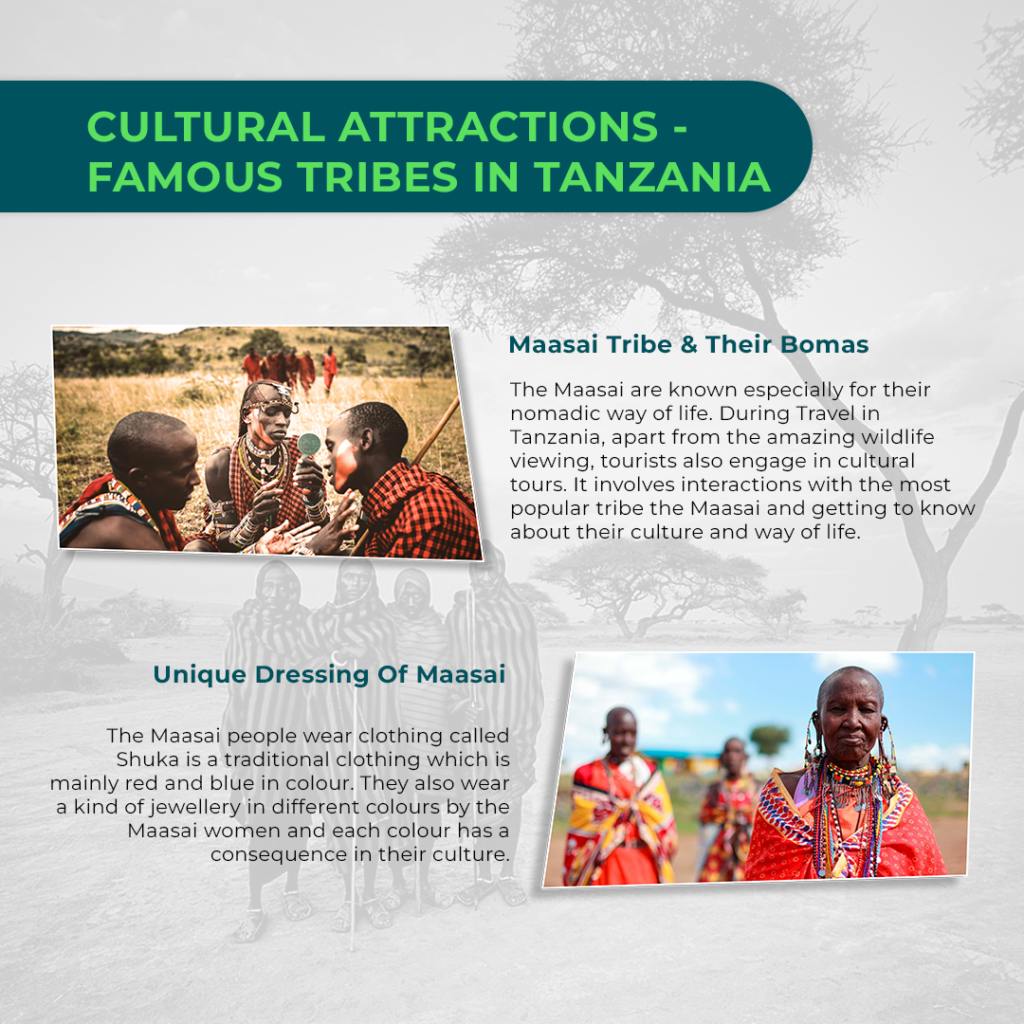

What to Consider When Booking a Maasai and Hadzabe Culture Tour with Lappet Faced Safaris
When booking a Maasai and Hadzabe culture tour with Lappet Faced Safaris, it’s essential to consider the authenticity of the experience. Ensuring the tour provider genuinely respects and collaborates with the local tribes will enrich your visit. You want to learn about their traditions firsthand, not through a commercialized lens. Authentic cultural immersion can make a big difference in your understanding and appreciation of their ways of life. It’s crucial to choose a reliable provider that values this authenticity.
The timing of your visit is another key factor to think about. Different seasons can offer varying experiences and opportunities. For example, the rainy season might hinder traveling and outdoor activities. It’s best to research or ask the tour provider about the optimal time to visit, ensuring you experience the cultures fully. Planning your trip at the right time will help avoid any disruptions.
You should also evaluate the itinerary and tour duration before booking. A well-structured itinerary ensures you have enough time to immerse yourself in both the Maasai and Hadzabe cultures. Each tribe has unique traditions, and a rushed tour might leave you missing critical aspects. Look for tours that offer a balanced schedule to explore and interact. Varied activities, like traditional dances or hunting demonstrations, can enhance your experience.
Considering the sustainability practices of Lappet Faced Safaris is vital for responsible tourism. Check if the company has measures in place to protect the environment and support the local communities. This goes beyond just reducing waste but includes meaningful contributions to the tribes’ welfare. According to this post, choosing eco-friendly tours can make your travel more ethical and fulfilling. By booking with a responsible operator, you help preserve these cultures for future generations.
Understanding the Significance of Cultural Authenticity
Embracing cultural authenticity means experiencing the true essence of a local tradition, free from external influences. This is particularly vital when visiting indigenous communities like the Maasai and Hadzabe. By engaging with them in their environment, you gain a deeper appreciation of their customs. It fosters respect and understanding, paving the way for genuine connections. These experiences can be transformative, leaving lasting impressions.
Authentic cultural tours allow you to witness daily life as it naturally unfolds. You might observe traditional ceremonies, participate in local crafts, or learn ancient hunting techniques. These real-life encounters offer more meaningful insights than staged performances. According to many travelers, authentic interactions often lead to the most memorable travel moments. The stories and experiences shared by locals enrich your journey.
Supporting cultural authenticity also benefits the communities you visit. It ensures that your tourism dollars go directly to those who need it most. This empowers local people, helping them preserve their heritage and improve their quality of life. Tour operators who focus on authenticity often work closely with the tribes, ensuring fair compensation. This makes your travel both rewarding and ethical.
Choosing an operator like Lappet Faced Safaris, which prioritizes cultural authenticity, enhances your travel experience. You can trust that they respect and honor the traditions of the Maasai and Hadzabe people. This commitment to authenticity creates a more immersive and respectful tour. It’s not just about seeing a different culture, but about appreciating and learning from it. In this way, your travels become a bridge between worlds, fostering mutual respect and understanding.
Choosing the Right Time of Year for Your Visit
Planning the timing of your visit is crucial for a rewarding experience. Different seasons offer different experiences, affecting both the landscape and local activities. For instance, the dry season might be perfect for wildlife viewing but might also mean hotter temperatures. In contrast, the rainy season provides lush scenery but can make some roads impassable. Researching weather patterns and consulting with Lappet Faced Safaris can help you decide the best time to travel.
Each season has its own charm, depending on what you want to see and do. The dry season, which runs from June to October, is ideal for seeing animals gather around water sources. You can track large herds and have more reliable weather for outdoor activities. Conversely, the wet season, typically from November to May, brings vibrant landscapes and fewer tourists. The rain can also mean better photographic opportunities with dramatic skies and vivid greenery.
It’s also important to consider cultural events and festivals when planning your trip. Certain times of the year might coincide with traditional celebrations or ceremonies. Participating in these events can offer a deeper understanding of Maasai and Hadzabe customs. These occasions are unique opportunities to witness cultural traditions in their most authentic forms. Knowing ahead of time about these events can enhance your travel experience significantly.
For some, avoiding peak tourist season is a priority to enjoy a more intimate experience. The shoulder seasons, right before and after the rains, offer a balanced blend of good weather and fewer crowds. Prices for accommodations might also be lower, making it more economical. Lappet Faced Safaris can provide insights on the best times to avoid the influx of tourists while still ensuring a fulfilling visit. This strategic planning can greatly enhance the quality of your cultural tour.
Assessing the Duration and Itinerary of the Tour
When planning a cultural tour with Lappet Faced Safaris, it’s important to evaluate the duration and itinerary. A well-balanced itinerary ensures that you fully experience both Maasai and Hadzabe cultures without feeling rushed. You’ll want sufficient time to participate in daily activities and traditional ceremonies. Spending more time in each community allows for deeper immersion and understanding. Generally, a mix of structured activities and free time creates a comprehensive experience.
Short tours might offer a quick glimpse, but extended stays provide a richer experience. It’s during longer visits that you can truly connect with the locals and understand their way of life. A duration of at least five days is often recommended to appreciate the customs and traditions thoroughly. This allows for multiple interactions and participation in various cultural activities. The depth of your experience greatly depends on the time you invest.
Examining the itinerary details is crucial for making the most of your visit. A well-curated itinerary typically includes an array of activities ranging from traditional dances to community walks. You might get opportunities to learn about the tribes’ crafts or engage in storytelling sessions. These diverse experiences contribute to a holistic understanding of the cultures. Below is a sample itinerary for a five-day tour:
| Day | Activities |
|---|---|
| Day 1 | Arrival and Orientation |
| Day 2 | Maasai Village Walk and Traditional Dance |
| Day 3 | Hadzabe Hunting and Gathering Experience |
| Day 4 | Craft Workshops and Storytelling |
| Day 5 | Farewell Ceremony |
Choosing a tour with diverse activities ensures a well-rounded experience. You should cross-check the provided itinerary with your interests and preferences. Making sure every day is packed with enriching activities will enhance your travel experience. Furthermore, it’s worth enquiring if the itinerary includes interactions with both community elders and younger tribe members. This allows for a varied perspective and deeper cultural insights.
Flexibility within the itinerary can also be important. Look for tours that offer customization options to cater to your specific interests. Some might prefer more time for cultural immersion, while others might enjoy wildlife viewing or hiking. A flexible itinerary can make your tour more enjoyable and tailored to your preferences. It provides an opportunity to absorb the culture at your own pace, enhancing the overall experience.
Evaluating the Sustainability Practices of the Tour Provider
Assessing the sustainability practices of your tour provider is vital for responsible travel. Lappet Faced Safaris, for instance, emphasizes eco-friendly initiatives and community support. Look for providers that use sustainable resources and minimize waste. Ensuring the tour operator’s commitment to environmental conservation can enhance your trip’s impact. Inquiring about these practices can guide you toward a more ethical choice.
Supporting local communities is another key aspect of sustainable tourism. Check if a portion of the tour price goes directly to the Maasai and Hadzabe tribes. This economic support helps preserve their culture and contributes to their well-being. It’s important that the tour provider fosters long-term relationships with the communities. Sustainable practices benefit both the environment and local people.
Environmental conservation should be a priority for any tour company. Reputable providers often implement initiatives like reducing plastic use, proper waste disposal, and promoting wildlife conservation. They might involve guests in conservation activities, enhancing both your experience and the local ecosystem. Responsible tourism ensures that your visit doesn’t harm the natural surroundings. These efforts maintain the beauty and health of the environment for future visitors.
Transparency in these practices is essential. A trustworthy operator like Lappet Faced Safaris will readily share their sustainability policies. You can ask for details about their conservation efforts and community engagements. This openness builds trust and assures you of their genuine commitment. Evaluating these factors ensures your choice aligns with sustainable travel principles.
Consider looking for certifications or affiliations with responsible tourism organizations. These credentials often indicate a company’s dedication to sustainable practices. For example, being part of the Global Sustainable Tourism Council (GSTC) could be a positive sign. Such affiliations offer an additional layer of credibility. You can feel confident that the operator adheres to recognized sustainability standards.