- Verify Operator Authenticity by checking their credentials and affiliations.
- Assess Cultural Sensitivity and Knowledge through their guides and educational materials.
- Check for Sustainable and Ethical Practices that support local communities and conservation.
- Read Previous Customer Reviews on various platforms for insights into their reputation.
- Compare Tour Itineraries and Prices to find the best fit for your interests and budget.

How to Choose the Right Maasai and Hadzabe Culture Tour Operator
Choosing the right tour operator is crucial for an authentic experience. First, verify the operator’s authenticity. This means checking their credentials and ensuring they have official permissions to operate tours. Many operators will showcase their permits and affiliations on their websites. If they’re missing important documents, it’s a red flag.
Cultural sensitivity and knowledge are vital. You want a tour guide who respects the Maasai and Hadzabe traditions. This means they should provide more than surface-level information. Instead, they should offer deep insights into the customs and lifestyle of the tribes. Here is the article that highlights such operators.
Sustainable and ethical practices matter a lot. Some operators exploit local communities for profit. Look for those who support local businesses and communities. They should follow environmentally friendly practices. According to this post, sustainability is a key factor in tourism.
Customer reviews can be very revealing. Check online reviews from previous tourists. This helps you gauge the operator’s reputation and reliability. Compare tour itineraries and prices to ensure you get the best value. Always choose a tour that aligns with your interests and budget.
Step #1: Verify Operator Authenticity
To begin, always verify the authenticity of a tour operator. Check if they have the required licenses and permits to conduct tours. Legitimate operators will readily provide these documents. You can request to see their official credentials. This ensures that you’re dealing with a legitimate company.
Next, explore their affiliations with recognized tourism organizations. Many reputable operators are members of national or international tourism boards. These affiliations add credibility and show they adhere to industry standards. Additionally, you can find their affiliation details on their website. This further confirms their authenticity.
Online reviews are another important resource. Look for customer feedback on popular travel forums and review websites. Positive reviews from previous clients can give you confidence in their legitimacy. According to this post, reviews are an essential element in verifying tour providers. If there are numerous negative comments, consider other options.
Direct communication is valuable in the verification process. Contact the operator and ask them detailed questions about their services and expertise. Observe how they respond to your queries. An authentic operator will be transparent and willing to provide answers. This interaction can help you make a more informed choice.
Step #2: Assess Cultural Sensitivity and Knowledge
Cultural sensitivity is crucial when choosing a tour operator. The operator should show a deep respect for the Maasai and Hadzabe traditions. This means understanding and honoring their lifestyle and customs. Ask about their experience with these communities. A knowledgeable guide will enhance your tour experience.
Observe how the operator discusses the culture. Details like traditional ceremonies or daily routines matter. Their explanations should be accurate and respectful. According to this post, respectful interaction with local communities is essential. Misrepresentation of the culture is a sign to look elsewhere.
Look for operators who provide educational materials. These can include brochures, presentations, or videos about the Maasai and Hadzabe. Such resources indicate that the operator values education and cultural exchange. They aim to enrich your understanding through informative content. This adds depth to your travel experience.
Check if the operator collaborates with local guides. Local guides often have a better grasp of the culture. They can offer insights that outsiders may miss. Additionally, collaborating with locals supports the community. This practice shows the operator’s commitment to responsible tourism.
Step #3: Check for Sustainable and Ethical Practices
Sustainable tourism is essential for preserving cultures and environments. When selecting a tour operator, focus on their sustainability efforts. They should have clear policies for conservation and minimizing environmental impact. For example, they might support local conservation projects. Such practices show their commitment to the environment.
Ethical practices involve fair treatment of the local communities. Ensure the operator gives back to the community in meaningful ways. This can include hiring local staff and supporting local businesses. Ethical operators will promote cultural preservation and community welfare. It’s important they actively contribute to the well-being of locals.
Ask about their waste management strategies. Responsible operators have plans for dealing with waste and reducing pollution. They should avoid activities that harm the local environment. Recycling and minimizing plastic use can be indicators. These actions reflect their dedication to sustainability.
Look for evidence of ethical wildlife interactions. The operator should follow guidelines that protect wildlife. Activities like watching animals from a distance show respect for nature. Any form of exploitation, such as forced animal performances, is unethical. Sustainable tourism emphasizes the conservation of wildlife.
Community involvement is a sign of ethical practice. Operators who engage with local communities build strong relationships. They should facilitate cultural exchanges that benefit both tourists and locals. Here is the article that discusses such practices. This strengthens the authenticity of the tour experience.
Tour operator certifications can be helpful in determining their sustainability. Certifications from reputable organizations reflect adherence to standards. Look for eco-labels or sustainability seals on their website. These validate their commitment to ethical practices. Certifications can give you peace of mind about their sustainability efforts.
Step #4: Read Previous Customer Reviews
Customer reviews are a valuable resource when selecting a tour operator. These reviews provide firsthand accounts of other travelers’ experiences. You can find these reviews on travel websites or social media platforms. Look for operators with consistently positive feedback. They are likely to offer a reliable and enjoyable service.
Pay attention to detailed reviews that mention specific aspects of the tour. Information about the guides, accommodation, and activities can be particularly helpful. Reviews highlighting excellent cultural experiences are a good sign. According to this post, authentic cultural interactions are paramount. Negative reviews can also be informative and may highlight potential issues.
It’s beneficial to read reviews from different sources. This can include forums, travel blogs, and review sites like TripAdvisor. Each source might offer unique perspectives and details. Cross-referencing reviews can give you a well-rounded view. This helps avoid biased opinions and makes your decision more informed.
Look for patterns in the feedback. Consistent praise for certain aspects shows the operator’s strengths. On the other hand, repeated complaints might indicate recurring problems. For example, if many reviews mention poor communication, it’s a red flag. Positive patterns show reliability and trustworthiness.
Consider the context of each review. Sometimes issues raised in reviews might be outside the operator’s control. For instance, a complaint about weather conditions isn’t their fault. Focus on reviews that discuss the operator’s services and expertise. This gives a clearer picture of what to expect.
Don’t hesitate to contact reviewers if possible. They can provide additional insights or clarify their opinions. Some travel websites allow for direct messaging between users. Asking questions can help confirm the operator’s suitability. Their personal experiences can guide your choice.
Step #5: Compare Tour Itineraries and Prices
Comparing tour itineraries is essential when choosing the right operator. Each operator may offer different activities and experiences. Look for detailed descriptions of the day-to-day itinerary. This helps you understand what you’ll be doing. Make sure the itinerary aligns with your interests.
Price comparison is equally important. Tour prices can vary significantly among operators. Ensure you know what is included in the price. Some tours might have additional costs for meals or activities. Understanding these details can affect your budget.
Look for value in the pricing. Higher prices might offer more comprehensive services. This could include luxury accommodations or exclusive activities. On the other hand, lower-priced tours might be more basic but still enjoyable. Assess what you get for your money.
- Activity details
- Accommodation quality
- Included meals
- Extra fees
Review different itineraries side by side. This can help you spot differences in the tour quality. Some operators might offer unique cultural experiences that others do not. For instance, special visits to local villages or personalized workshops. These aspects can make one tour more appealing.
Consider how long each tour lasts. Longer tours might provide a more immersive experience. However, they will also be more expensive. Balancing tour length with cost helps find the best option for you. Make sure the duration fits your schedule.
Benefits of Choosing Lappet Faced Safaris for Your Cultural Tour
Choosing Lappet Faced Safaris brings numerous benefits for your cultural tour. They have extensive experience and knowledge of Maasai and Hadzabe cultures. Their guides are well-trained and informative. This ensures you get the most authentic experience possible. Quality of service is guaranteed.
A major benefit is their commitment to sustainability. Lappet Faced Safaris support local communities through their tours. They hire local staff and collaborate with community projects. This ethical approach helps preserve culture while supporting locals. Sustainable tourism practices are a priority.
- Experienced guides
- Sustainable practices
- Local community support
- Authentic experiences
Lappet Faced Safaris offer diverse tour options tailored to different interests. Whether you’re keen on wildlife, village visits, or traditional ceremonies, they have something for everyone. The flexibility in itinerary planning allows personalization to meet individual needs. This makes each tour unique and memorable.
Their customer service is exceptional. From booking to the end of your tour, they provide continuous support and assistance. According to this post, excellent customer care enhances the overall travel experience. When challenges arise, they handle them professionally, ensuring a stress-free journey.
Safety is another key advantage with Lappet Faced Safaris. They adhere to high safety standards throughout the tours. Guides are trained in first aid and emergency procedures. With them, you can explore confidently knowing you’re in safe hands.
Key Features to Look for in Genuine Cultural Tours
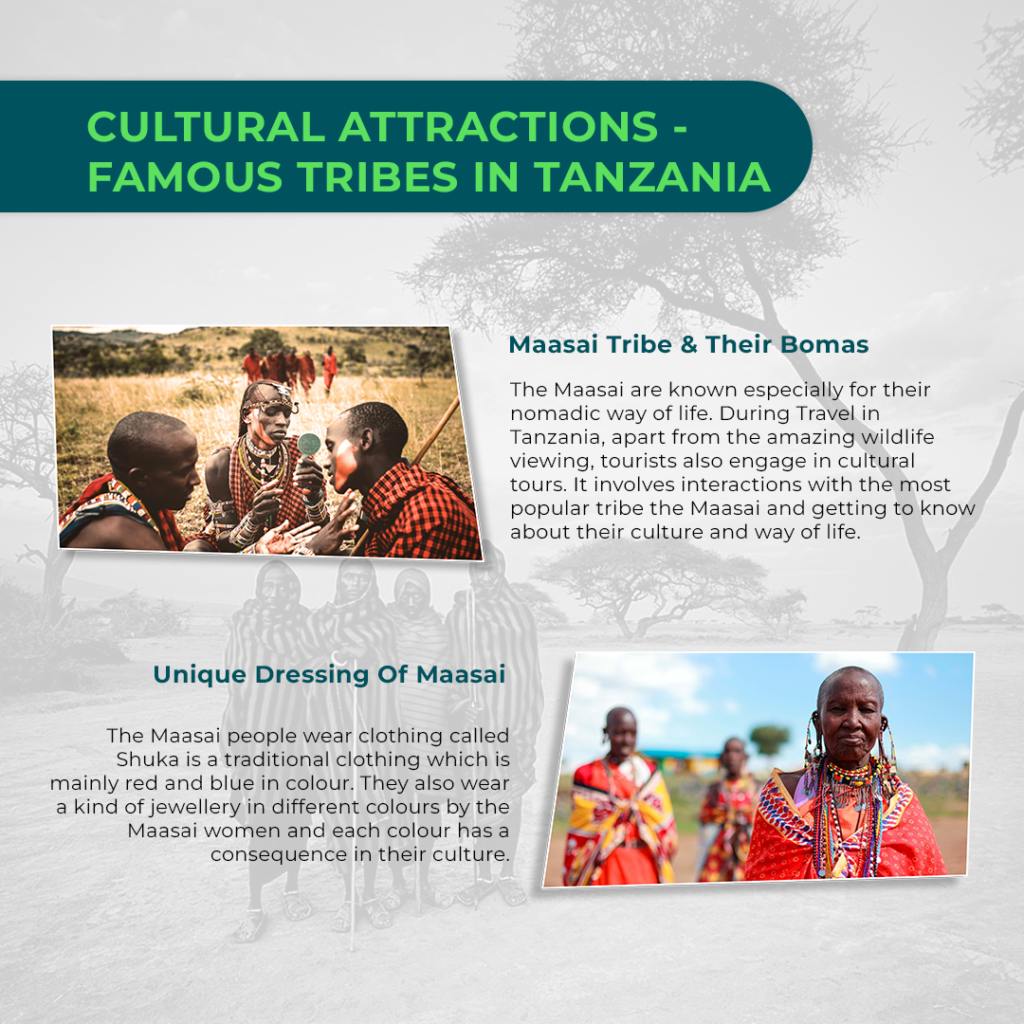
Choosing a genuine cultural tour involves checking for certain key features. One important aspect is the authenticity of the cultural experiences offered. This means the tour should provide real interactions, not staged events. Look for tours that include visits to actual Maasai and Hadzabe communities. These interactions should be respectful and educational.
Guides play a crucial role in the tour experience. Ensure that the guides are knowledgeable and local. Local guides possess first-hand knowledge and can provide deeper insights. They help bridge the cultural gap between tourists and local communities. Their expertise enhances the authenticity of the tour.
Sustainable practices are another key feature of genuine cultural tours. The tour operator should support local conservation and community projects. Check if the operator employs eco-friendly practices and contributes to environmental protection. They should also promote the well-being of the local population. Sustainable tourism is beneficial for both visitors and locals.
- Authentic cultural interactions
- Knowledgeable local guides
- Sustainable and eco-friendly practices
- Support for community projects
Another important feature is transparent communication. The operator should clearly describe their itineraries, costs, and any additional fees. This transparency helps you make informed decisions and prevents unexpected expenses. Open communication from the start builds trust. It ensures a smooth and enjoyable tour experience.
Safety measures should also be a priority in genuine cultural tours. The operator must follow strict safety protocols to protect travelers. This includes having trained staff for emergencies. Safe transportation and accommodations are essential. Your safety enhances your overall experience.
Look for positive reviews and testimonials from previous travelers. Genuine cultural tours often have high ratings and positive feedback. According to this post, reading about others’ experiences can guide your choice. Higher satisfaction rates are a good indicator of a trustworthy operator.
Understanding the Significance of Maasai and Hadzabe Tours
Maasai and Hadzabe tours offer unique insights into ancient cultures. These tribes have preserved their traditions for centuries. Visiting them allows tourists to witness their lifestyle firsthand. It’s an opportunity to learn about their customs and values. Such experiences are rare and valuable.
These tours contribute to cultural preservation. Tourism provides financial support to these communities. This helps them maintain their traditional practices. It also raises awareness about their way of life. By participating, you’re helping to protect their heritage.
The educational value of these tours is immense. Tourists gain knowledge about indigenous knowledge and practices. This includes hunting techniques, medicinal plants, and traditional ceremonies. These insights broaden your understanding of human history. It’s a chance to learn beyond classrooms.
- Witness ancient cultures
- Support cultural preservation
- Educational experiences
- Engage with indigenous knowledge
Participating in these tours fosters mutual respect. Learning about the Maasai and Hadzabe cultures promotes cultural appreciation. It encourages respectful interactions between tourists and locals. Such exchanges benefit both parties. Respectful tourism is a key element.
Additionally, these tours offer unforgettable memories. The landscapes and interactions are unique. The stories and experiences shared by the Maasai and Hadzabe are inspiring. These trips leave lasting impressions. They are more than just vacations; they are life-changing journeys.
For many, these tours are heartwarming and humbling. You get to see the world from a completely different perspective. It’s about connecting with people in meaningful ways. According to this post, these connections enrich your travel experience. They remind you of the beauty and diversity of humanity.
Tips for a Respectful and Rewarding Cultural Tour Experience
To have a respectful and rewarding cultural tour experience, start by learning basic cultural etiquette. Familiarize yourself with local customs and traditions. This shows respect and helps avoid unintentional offenses. Knowing a few phrases in the local language can be very helpful. It also demonstrates your willingness to engage positively.
Always ask for permission before taking photos. In some cultures, taking pictures without consent is seen as disrespectful. Respect the privacy and wishes of the locals. A courteous approach encourages positive interaction. This way, you build trust and mutual respect.
Engage with locals in a meaningful way. Show genuine interest in their way of life. Ask questions and listen actively. This enriches your understanding and makes the experience more rewarding. Participation and curiosity are key.
- Learn cultural etiquette
- Respect photo permissions
- Engage meaningfully
- Support local businesses
Support local businesses during your tour. Buy souvenirs directly from artisans and eat at local restaurants. This helps boost the local economy. It ensures that your spending benefits the community. Choosing local over global brands makes a big difference.
Be mindful of your environmental impact. Follow guidelines to minimize waste and conserve resources. Use eco-friendly products and avoid single-use plastics. Respect natural habitats and wildlife. Sustainable practices protect the environment for future generations.
Lastly, reflect on your experiences and share them responsibly. When you return home, share what you’ve learned with others. Encourage friends and family to travel respectfully. Positive stories can inspire others to adopt similar behaviors. According to this post, sharing your journey can promote cultural appreciation.