
Is it really possible to conquer one of the world’s highest mountains without any climbing experience? This question might seem daunting, yet surprisingly, Mount Kilimanjaro is considered one of the most accessible high peaks to summit. Known as a “walk-up” mountain, it offers routes that are more about endurance and determination than technical climbing skills.
Historically, countless novice climbers have successfully reached Kilimanjaro’s summit, attesting to the mountain’s accessibility. In fact, statistics reveal that approximately two-thirds of climbers are first-timers, often guided by experienced professionals. With the proper acclimatization, preparation, and support crew, even those without prior experience can embark on this thrilling adventure and witness the awe-inspiring vistas from the Roof of Africa.
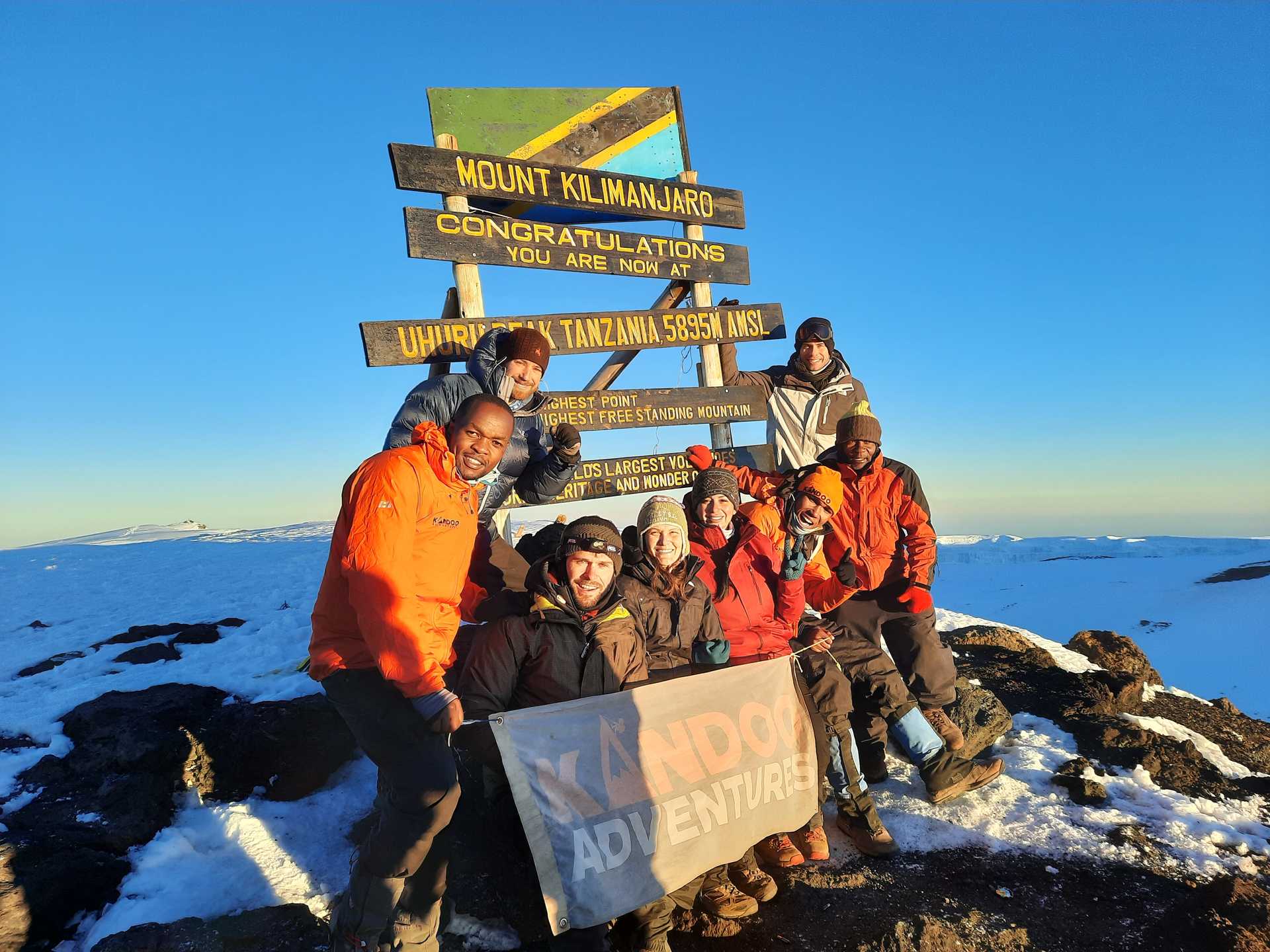
Essentials of Climbing Kilimanjaro for Beginners
Climbing Mount Kilimanjaro is a dream for many adventurers. For beginners, the idea might seem challenging, but with the right preparation, it’s absolutely doable. One of the key essentials is to understand that Kilimanjaro climbing does not require technical skills, making it accessible to those without prior experience. What you need is physical fitness, mental toughness, and a strong determination. Take time to train your body through regular hikes and aerobic exercises.
Proper gear is crucial when climbing Kilimanjaro. You’ll need items that keep you warm, dry, and comfortable throughout your trek. A reliable pair of hiking boots, layers of clothing, and a good backpack are essential. Don’t forget to pack a quality sleeping bag, as temperatures can drop significantly at night. According to the article, having the right gear can make a significant difference in your overall experience.
Acclimatization is another important aspect. Your body needs time to adjust to the high altitude to avoid altitude sickness. Choose a route that allows for gradual acclimatization, typically over 7-8 days. This approach increases your chances of reaching the summit successfully. Additionally, staying hydrated and eating well help your body cope with the altitude.
Lastly, having an experienced guide is beneficial. Guides know the mountain trails, weather patterns, and how to handle emergencies. They provide support and motivation throughout the journey. Many first-timers have successfully climbed Kilimanjaro with the help of experienced guides. Here is the article highlighting how novice climbers benefit from guided tours on Kilimanjaro.
Understanding the physical and mental demands
Climbing Mount Kilimanjaro requires a significant amount of physical stamina. You don’t need to be an athlete, but regular exercise and physical conditioning are essential. Preparing your body with cardiovascular workouts and strength training can make a big difference. Hiking on various terrains will also help, as it simulates the actual climb. This preparation reduces the risk of injuries and increases your endurance.
Beyond physical readiness, mental endurance is equally important. The climb can be long and tiring, often testing your mental strength. Staying positive and motivated, even when faced with challenges, is crucial. Resting and taking breaks when needed can help keep your spirits high. Remember, maintaining a steady and calm mindset can greatly impact your success.
Physical and mental health are interconnected when climbing Kilimanjaro. Fatigue, altitude sickness, and the change in climate can be daunting. It’s important to listen to your body and take necessary precautions. Eating nutritious food and staying hydrated are vital for maintaining energy levels. The human body can adapt, but it needs support to function optimally.
Lastly, climbing with a group can offer emotional support. Sharing experiences and encouraging each other fosters a sense of camaraderie. Group dynamics can provide the motivation needed to push through tough moments. Overall, understanding and preparing for both the physical and mental demands can lead to a rewarding and successful climb up Kilimanjaro.
Preparation Strategies for Novice Climbers
Starting early with your preparation is key for novice climbers aiming to summit Kilimanjaro. It’s best to begin training at least two to three months before your planned climb. Focus on building your cardiovascular fitness with activities like running, swimming, or cycling. These exercises help improve your endurance. Additionally, include strength training to enhance your overall body fitness.
Acclimatization strategies are essential for a successful climb. Choose a route that allows for gradual ascent, providing your body ample time to adjust. The Lemosho and Machame routes are recommended for this purpose. These routes have higher success rates due to their longer acclimatization periods. Staying hydrated and eating energy-boosting foods also support acclimatization.
Packing the right gear is another critical aspect of preparation. Make sure you have a durable backpack, layered clothing, and proper hiking boots. Essential items include a warm sleeping bag, rain gear, and a headlamp. Here’s a list of must-have items for climbing Kilimanjaro:
- Layered clothing
- Sturdy hiking boots
- Warm sleeping bag
- Rain gear
- Headlamp
Mental preparation should not be overlooked. Educate yourself on what to expect, and set realistic goals. Understand that the climb will test your physical and mental limits. Practicing mindfulness and stress-relief techniques can be beneficial. being mentally prepared can provide the resilience needed during the challenging parts of the climb.
Guided Tours and Their Benefits on Kilimanjaro Climbs
Choosing a guided tour for your Kilimanjaro climb provides numerous benefits. One significant advantage is the expertise of the guides, who are familiar with the terrain and weather patterns. Their knowledge ensures a safer climb, as they can provide tips and make crucial decisions during the trek. Additionally, guides offer moral support, keeping you motivated. Their encouragement can be the push needed to reach the summit.
Another benefit of guided tours is that they handle logistics. Organizing permits, meals, and accommodations can be overwhelming for beginners. Guided tours take care of these details, allowing you to focus solely on your climb. This service includes setting up camp and preparing meals. The convenience of having everything managed enhances your overall experience.
Health and safety are paramount on guided tours. Guides are usually trained in first aid and can handle emergencies if they arise. They monitor climbers for signs of altitude sickness and advise on appropriate actions. According to the article, many successful climbers attribute their achievement to the timely interventions of their guides. This proactive approach reduces risks and keeps you safe throughout the journey.
Guided tours also foster a sense of community. Climbing with a group creates an environment of shared experiences and support. You’re more likely to build lasting friendships, sharing stories and encouraging one another. This camaraderie can be uplifting, especially during challenging sections of the climb. Emotional support from fellow climbers can boost your confidence and morale.
Lastly, guided tours can offer educational insights. Guides often share information about Kilimanjaro’s ecology, culture, and history. This educational aspect enriches your experience, providing a deeper understanding of the mountain. Learning about the flora, fauna, and local traditions adds value to your adventure. It’s a holistic experience that goes beyond just reaching the summit.
Key Takeaways
- You can climb Kilimanjaro without prior climbing experience.
- Good physical fitness and mental endurance are essential for success.
- Proper acclimatization helps in reducing altitude sickness risks.
- Guided tours offer professional support and increase safety.
- Preparation, including physical training, is crucial for a successful climb.