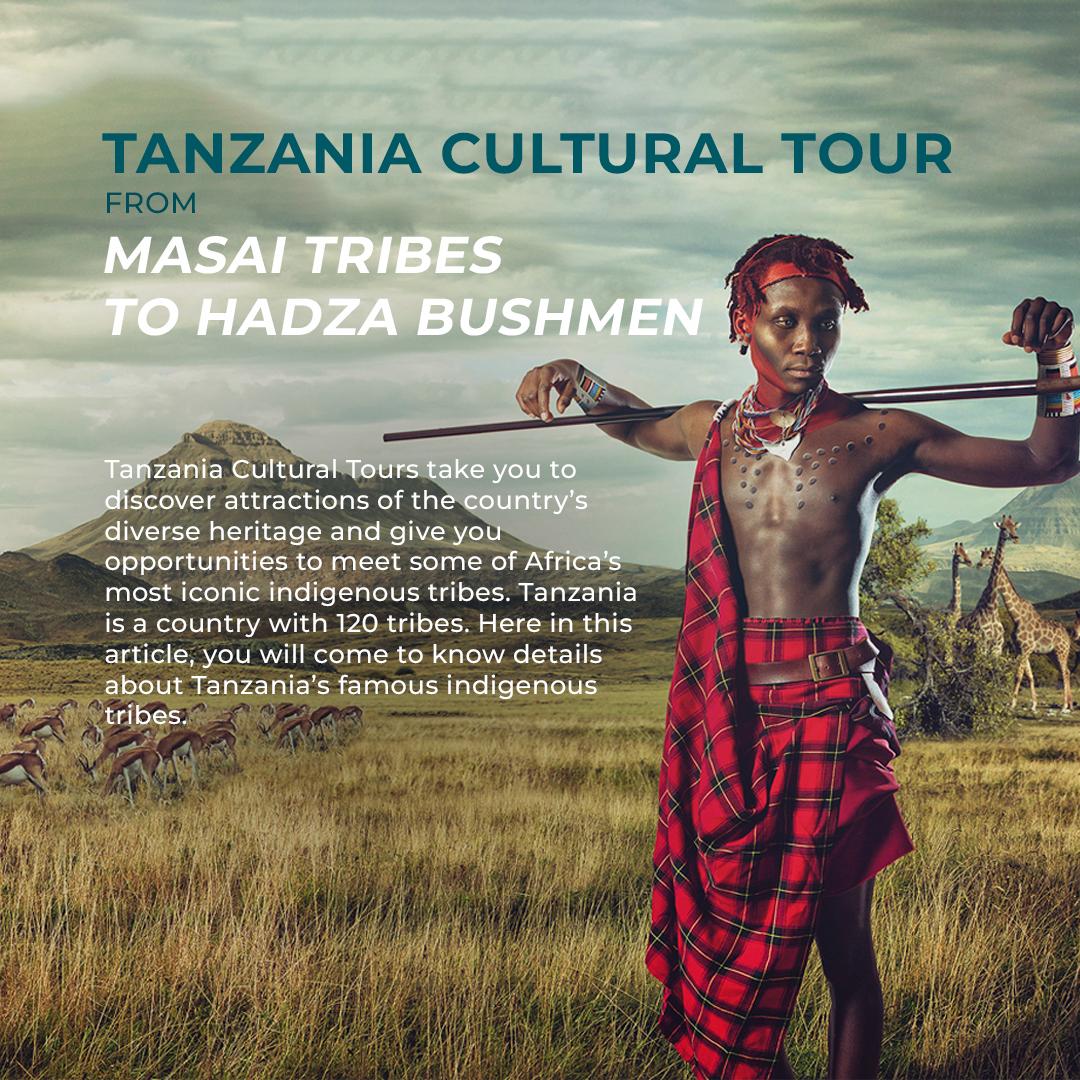

Exploring the Rich Heritage: Booking a Maasai and Hadzabe Culture Tour with Lappet Faced Safaris
Booking a Maasai and Hadzabe culture tour with Lappet Faced Safaris is a fantastic way to explore the rich heritage of these unique communities. This tour company offers an immersive experience where you get to interact with the local tribes. You’ll witness their traditional dances, learn about their customs, and even try some of their food. The tour guides are knowledgeable and passionate about sharing their culture. They ensure you have an unforgettable journey into the heart of Africa.
The Maasai are known for their vibrant red attire and their incredible jumping dance. During the tour, you will visit Maasai villages and see their distinctive homes, called bomas. You will also learn about their age-old traditions, such as the importance of cattle in their society. Interaction with the Maasai warriors is a highlight, providing insight into their way of life. According to this post, these cultural encounters can be incredibly enriching.
On the other hand, the Hadzabe tribe offers a glimpse into a hunter-gatherer lifestyle that has remained unchanged for centuries. You will get a chance to join the Hadzabe people on a hunting expedition and gather wild fruits and honey. Learning to make fire using traditional methods is one of the hands-on activities you can enjoy. The Hadzabe’s connection with nature is deeply inspiring. Their sustainable way of living offers lessons in environmental harmony.
When planning your tour, it’s vital to consider a few things to ensure a smooth experience. Pack appropriately for the weather, which can vary significantly depending on the season. Always carry essentials like water, sunblock, and bug repellent. Booking in advance with Lappet Faced Safaris guarantees a well-organized trip. Preparation enhances your experience, making sure you can fully engage with the cultural activities.
Why Choose Lappet Faced Safaris for Your Cultural Tour?
Lappet Faced Safaris stands out for its expertise and dedication to providing authentic cultural experiences. Their tours are well-organized and focus on giving travelers genuine interactions with local tribes. The knowledgeable guides share in-depth insights about the Maasai and Hadzabe ways of life. This allows visitors to connect meaningfully with the cultures they encounter. With years of experience, Lappet Faced Safaris has a reputation for quality and reliability.
Another reason to choose Lappet Faced Safaris is their commitment to sustainable tourism. They ensure that tours are conducted responsibly, minimizing the impact on the environment and respecting local customs. The company works closely with the Maasai and Hadzabe communities to support their livelihoods. This partnership ensures that the benefits of tourism are shared. Supporting such practices promotes a positive relationship between tourists and locals.
Flexibility in tour packages is another advantage of booking with Lappet Faced Safaris. They offer customized itineraries to match the interests and needs of different travelers. Whether you’re interested in short visits or extended stays, there are options available. The flexibility allows you to tailor the experience to your preferences. This makes your journey unique and personal.
Lappet Faced Safaris also prioritizes safety and comfort for all their guests. From well-maintained vehicles to professional and caring staff, they take every precaution to ensure a worry-free experience. The tour company provides all the necessary information and support before and during the trip. This makes sure you are well-prepared and can fully enjoy your cultural tour without any issues. Choosing a reliable operator enhances the overall adventure.
Key Elements of the Maasai Cultural Experience
The Maasai cultural experience offers a deep dive into their traditional way of life. One key element is visiting Maasai villages, known as bomas, where you can see their unique living arrangements. The Maasai build their homes using natural materials like mud, sticks, and cow dung. This traditional method reflects their resourcefulness and connection to nature. It’s fascinating to see how these structures withstand the test of time and weather.
Another highlight is witnessing the famous Maasai jumping dance, also called “adumu.” This traditional dance is a display of strength and agility among the young warriors. During the dance, men jump high while maintaining a straight posture, showcasing their physical prowess. Tourists are often invited to join in, making it a lively and interactive experience. The rhythmic chants and exhilarating jumps create a captivating atmosphere.
The Maasai are also known for their intricate beadwork, which plays a significant role in their culture. Each color of the beads has a specific meaning and is used to create stunning jewelry and ornaments. Touring visitors can participate in bead-making workshops, learning the art from skilled Maasai women. This hands-on experience provides insight into the symbolic aspects of Maasai artistry. Purchasing these handmade items directly supports the local community.
Storytelling is another vital element of the Maasai cultural experience. Elders share tales of their ancestors, explaining the history and traditions of the tribe. These stories often include lessons on bravery, community, and respect for nature. Listening to these narratives offers a deeper understanding of Maasai values and beliefs. It is a unique opportunity to connect with the past and appreciate the richness of oral tradition.
Understanding Hadzabe Lifestyle and Traditions
The Hadzabe people are one of the last true hunter-gatherer societies in the world. They live in Tanzania, near the Serengeti, and have a lifestyle deeply connected to nature. Hunting with bows and arrows is a crucial part of their daily life. They hunt small and large game, relying on their tracking skills. Gathering wild fruits, berries, and honey supplements their diet.
The Hadzabe use traditional methods to create fire, which is a fascinating aspect of their culture. Rubbing sticks together generates the friction needed to spark a flame. This skill is passed down from generation to generation. It underscores their deep knowledge of survival techniques. Visitors often find this demonstration both educational and awe-inspiring.
Their language, known as Hadza, is unique and includes clicking sounds. This ancient language is unlike any other and is integral to their identity. Conversation and storytelling are central to preserving their traditions. These stories are filled with lessons about their environment and history. Engaging with the Hadzabe allows visitors to hear these captivating stories firsthand.
Hadzabe people live in simple grass huts that are easy to construct and deconstruct. Their homes are portable, allowing them to move seasonally in search of food. This nomadic lifestyle is sustainable and highly efficient. The Hadzabe’s ability to adapt to their environment is remarkable. It provides a glimpse into a way of life that has remained unchanged for thousands of years.
Social structure among the Hadzabe is egalitarian, meaning everyone is considered equal. Decisions are made communally, emphasizing the importance of group consensus. Sharing is a fundamental value, with food and resources distributed equally. This approach fosters a strong sense of community and mutual support. Experiencing this firsthand offers valuable insights into a cooperative way of living.
What to Prepare Before Your Cultural Tour
Preparing for a cultural tour involves more than just booking your tickets. One of the first things you should do is research the local customs and traditions. Understanding the cultural norms will help you show respect and gain more from your visit. It’s also a good idea to learn a few basic phrases in the local language. This will make your interactions more meaningful and authentic.
Packing the right items is crucial for a comfortable experience. Make sure to bring weather-appropriate clothing, as the climate can vary. Essentials like sunscreen, a hat, and insect repellent are important for protecting yourself from the elements. It’s also wise to carry a reusable water bottle to stay hydrated. Comfort is key, so pack practical shoes for walking.
- Comfortable clothing
- Sunscreen and hat
- Insect repellent
- Reusable water bottle
- Practical shoes
When it comes to documenting your trip, a camera is a must. However, always ask for permission before taking photos of people. Respecting privacy is important to maintain a positive experience for both you and the local community. Bring extra batteries or a portable charger to ensure your devices stay powered throughout the day. Capturing memories is great, but be considerate of your subjects.
Preparing your mindset is as important as packing your bags. Being open-minded and flexible will enhance your cultural tour. Sometimes, things might not go as planned, and having a positive attitude will make a big difference. Engage actively with your surroundings and the people you meet. This approach enriches your experience, turning it into a memorable adventure.
Don’t forget to take care of your health needs before embarking on your tour. Make sure you have any necessary vaccinations and carry basic medication. A small first aid kit can also be very handy. It’s better to be prepared for minor health issues. Staying healthy ensures you can fully enjoy your cultural experience without interruptions.
Best Time of Year to Visit the Maasai and Hadzabe Communities
Knowing the best time to visit the Maasai and Hadzabe communities can greatly enhance your experience. The dry season from June to October is ideal for travel in Tanzania. This period offers comfortable weather and fewer chances of rain, making it easier to navigate the terrain. You’ll also find that the wildlife is more active during these months. This makes it a perfect time for combining cultural tours with safari adventures.
During the wet season, from November to May, the landscape becomes lush and green. While the rains can make travel a bit challenging, this season has its own charm. The wet period allows you to witness the birth of new life, with many animals giving birth to their young. Photographers often find this season particularly rewarding. However, be prepared for muddy paths and possible travel delays.
The Hadzabe community, being hunter-gatherers, have different activities depending on the season. The dry season is great for joining them on hunting expeditions. You’ll witness their tracking skills in action and learn about their traditional hunting techniques. In the wet season, gathering wild fruits and honey becomes more prominent. Each season offers unique insights into their way of life.
- June to October: Dry Season, ideal for wildlife viewing and hunting with the Hadzabe
- November to May: Wet Season, perfect for lush scenery and fruit gathering activities
The Maasai celebrate several cultural events throughout the year, which are fascinating to experience. Planning your trip to coincide with these events can be an added bonus. Ceremonies like the Eunoto, a rite of passage for young warriors, are usually held during the dry season. Participating in or observing these ceremonies offers a deeper understanding of Maasai traditions. Timing your visit with these cultural milestones can make your tour even more special.
Whenever you decide to visit, being prepared for changes in weather will ensure a smoother trip. Pack wisely, including essentials for both dry and wet conditions. This allows you to fully enjoy all that the Maasai and Hadzabe cultures have to offer. Weather patterns might influence your experiences, but they also add to the adventure. Embrace the seasonal differences for a richer cultural immersion.