- Choose the right time of year, preferably during the dry season from June to October.
- Select a reputable tour company, such as Lappet Faced Safaris.
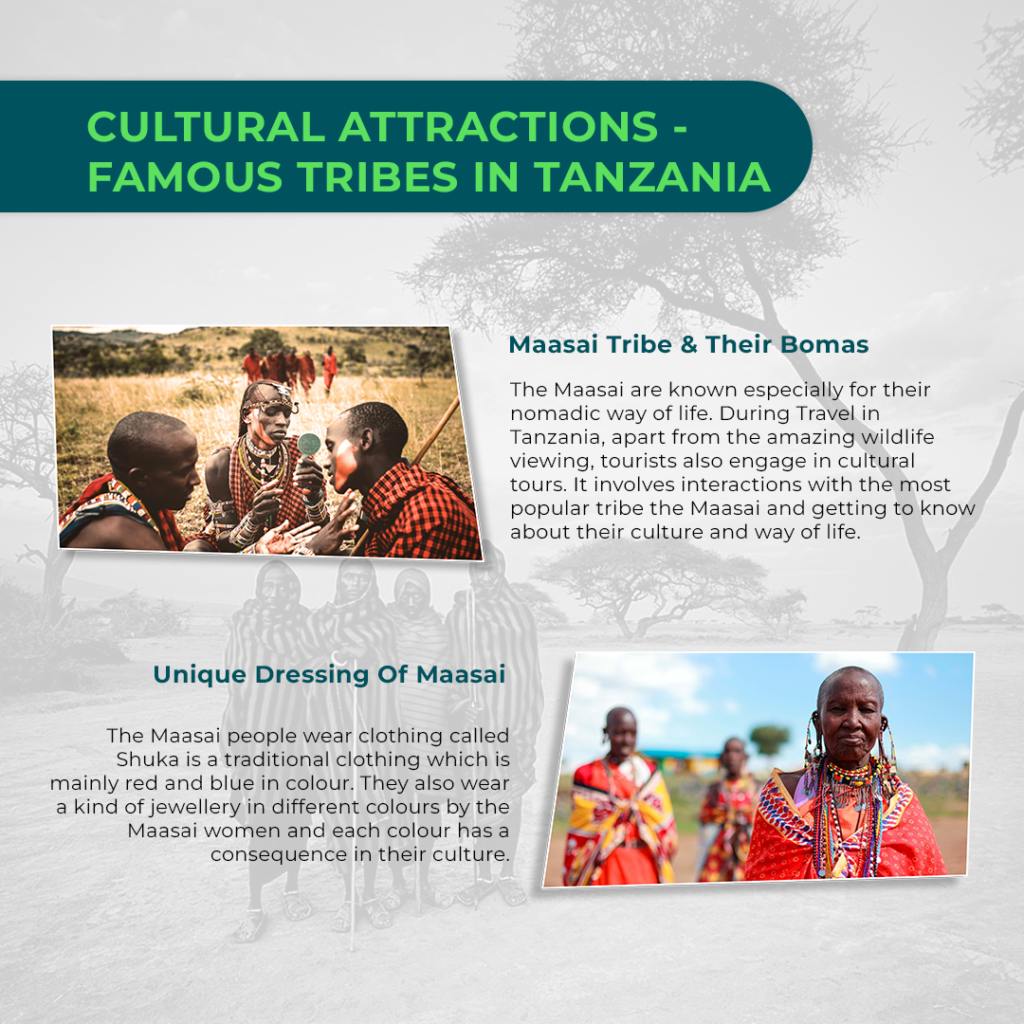
- Understand the cultural significance and customs of the Maasai and Hadzabe tribes.
- Prepare for physical demands with appropriate gear and conditioning.
- Respect local etiquette and traditions during your interactions.

Top Tips for Booking a Maasai and Hadzabe Culture Tour
Choosing the right time of year can greatly impact your experience. The dry season, typically from June to October, is ideal for wildlife viewing. It’s also a favorable period to visit the Maasai and Hadzabe communities. This is when the weather is pleasant, and many cultural events take place. According to this post, the wilderness safari during this season is truly remarkable.
Selecting a reputable tour company, such as Lappet Faced Safaris, is crucial. They offer professional guides who are knowledgeable about the Maasai and Hadzabe cultures. Ensure the company you choose supports ethical tourism. This will help preserve the cultural heritage and benefit the local communities. Don’t hesitate to ask about their practices and community involvement.
You should understand the cultural significance and customs of these tribes. The Maasai are known for their warrior traditions and colorful attire. On the other hand, the Hadzabe people are hunter-gatherers with unique lifestyles. Respecting their customs enriches your experience. It also fosters a mutual understanding and appreciation.
Preparing for the physical demands of the tour is necessary. The Hadzabe culture involves bush walks and hunting excursions. Comfortable clothing and sturdy shoes are essential. Pack light but include necessities like sunscreen and insect repellent. Being proactive about your preparations ensures a smooth and enjoyable tour.
1. Choose the Right Time of Year for Your Visit
The time of year you choose to visit can make a big difference in your experience. The dry season, from June to October, is ideal for a safari. Wildlife is easier to spot as they gather around water sources. The weather is also more comfortable for outdoor activities like hiking and exploring. This period is generally recommended for tours.
Visiting during the wet season offers its own unique advantages. From November to May, the landscape is lush and green. This season is perfect for bird watching, as migratory species arrive. However, roads can be muddy and harder to navigate. If you’re willing to embrace the rain, the beauty is worth it.
Special events and festivals happen at specific times of the year. For instance, the Maasai hold the Eunoto ceremonies in June. Attending these cultural events can offer deeper insights. Check the local calendar for any festivals aligning with your visit. These opportunities can really enrich your trip.
Peak travel times tend to have larger crowds. This can affect your tour experience and costs. Booking during off-peak times might provide a more intimate experience. You might also get better deals on accommodations and activities. Plan wisely to make the most out of your trip.
2. Selecting a Reputable Tour Company such as Lappet Faced Safaris
Choosing a reputable tour company is crucial for an enriching experience. Lappet Faced Safaris is known for its expert guides and thorough knowledge. Their staff understands the cultural intricacies of the Maasai and Hadzabe tribes. This ensures you get authentic and respectful insights into these communities. Always ensure your chosen company has good reviews and ethical practices.
Researching the tour company’s credentials is important. Look for certifications and affiliations with recognized tourism bodies. A reputable company will have guides trained in cultural sensitivity. This enhances your experience and shows respect for local traditions. Don’t forget to check testimonies from previous travelers.
A good tour company should offer detailed itineraries. Knowing what to expect from your Maasai and Hadzabe tour is essential. Lappet Faced Safaris provides clear and comprehensive trip outlines. This helps you prepare better and manage your time efficiently. The transparency fosters trust and eases any uncertainties you may have.
Verify the company’s commitment to community welfare. Ethical tourism practices help preserve the indigenous cultures. Ensure the tour company contributes to the local economy and supports conservation efforts. Lappet Faced Safaris is renowned for its dedication to responsible tourism. Choosing such a company makes your trip beneficial for everyone involved.
3. Understanding the Cultural Significance and Customs
Understanding the cultural significance and customs of the Maasai and Hadzabe is very important. The Maasai are famous for their bright clothes and warrior traditions. They have deep roots in their customs and rituals. Knowing these aspects helps you appreciate their rich heritage. It also ensures you respect their values during your visit.
The Hadzabe are one of the last hunter-gatherer tribes. Their way of life is unique and fascinating. They rely on hunting and foraging for survival. Observing their practices gives you insights into a primitive lifestyle. Respecting their customs is crucial for a meaningful interaction.
It’s vital to understand some common customs to avoid cultural misunderstandings. For instance, the Maasai may have specific ways of greeting. Learning these can help you build rapport. Similarly, knowing the significance of their dances and songs enriches your experience. Small efforts in understanding their customs go a long way.
Participating in cultural activities can be a wonderful experience. You might get to join a Maasai dance or go on a Hadzabe hunting trip. These activities offer a hands-on understanding of their daily lives. It creates a deeper connection with the community. Such experiences are often the highlight of the tour.
Respecting local customs extends to dressing appropriately. The Maasai attire is usually red, symbolizing bravery. While the Hadzabe might wear minimal clothing due to their nomadic lifestyle. As a tourist, dressing modestly shows respect for their traditions. Always consider the cultural context of your attire.
Visitors should also show interest and ask questions. The locals appreciate when tourists are genuinely curious. Ask about their history, beliefs, and daily routines. Engaging thoughtfully provides more meaningful interactions. It also shows your respect and enthusiasm for their culture.
4. Preparing for the Physical Demands of the Tour
Going on a Maasai and Hadzabe culture tour requires physical preparation. You might be walking long distances and navigating uneven terrains. Staying fit and ready for these activities is essential. While challenging, it adds to the adventure. Your tour guide will help you adapt to these demands.
Dressing appropriately is key to handling physical exertion. Wear comfortable clothing and sturdy shoes. Lightweight, breathable fabrics are best for the warm climate. In addition, pack a hat and sunglasses to protect yourself. Proper attire can make your physical efforts more manageable.
Hydration is critical during the tour. The climate can be hot, increasing your risk of dehydration. Carry a sufficient amount of water with you. Drinking regularly helps maintain your energy levels. This ensures you can fully enjoy the activities.
Proper nutrition can enhance your physical performance. Eating balanced meals before and during the tour is advisable. Snacks like energy bars and fruits are handy for quick boosts. Avoid heavy meals that could slow you down. Nutrition plays a big part in keeping you energized.
Consider bringing some basic first aid supplies. Minor injuries can occur during the activities. Items like band-aids, antiseptic wipes, and pain relievers can be useful. Having these supplies ready ensures you can handle any small setbacks. Your tour company might provide a first aid kit, but it’s good to be prepared.
Being prepared mentally is as important as physical readiness. Some activities can be intense and push your boundaries. Staying positive and embracing the challenge enhances your experience. Mental preparation helps you enjoy every moment. It’s an adventure worth the effort.
5. Respect and Etiquette During the Tour
Respect and etiquette are crucial during your Maasai and Hadzabe culture tour. Show genuine interest in their traditions and daily lives. Listening attentively and engaging thoughtfully is appreciated. Avoid imposing your own beliefs on the locals. Your approach can make a significant difference in the quality of your interactions.
Always ask for permission before taking photographs. Some community members may be uncomfortable with it. Asking first shows respect for their privacy. Follow these practices strictly to maintain good rapport. It’s a simple step that demonstrates your cultural sensitivity.
Dress modestly to respect cultural norms. The Maasai and Hadzabe have specific dress codes rooted in tradition. Avoid flashy or revealing clothes. Simple and neutral attire is generally preferred. Your outfit can influence how you’re perceived by the locals.
Offering gifts can be a thoughtful gesture. Consider bringing useful items like educational supplies or food. However, avoid giving money directly as it may cause dependency issues. Small, meaningful gifts are usually well-received. It shows your intention to contribute positively.
Learn basic greetings and phrases in the local language. This effort is often very well-regarded. Knowing how to say “hello” or “thank you” can bridge gaps. It fosters a sense of camaraderie. Even a few words can make a meaningful connection.
Participate respectfully in local traditions and ceremonies. Whether it’s a Maasai dance or a Hadzabe hunt, join with sincerity. Reverence for their customs enriches your experience. It also demonstrates your respect. Engaging fully and thoughtfully makes the tour more memorable.
Optimizing Your Cultural Tour Experience
Optimize your cultural tour by engaging fully with the local community. Active participation in activities like dances, crafts, and storytelling sessions can enrich your journey. Don’t shy away from asking questions to learn more. These interactions offer deeper insights into the daily life of the Maasai and Hadzabe people. The more you engage, the richer your experience becomes.
Plan your itinerary thoughtfully to include various aspects of local culture. Mix activities such as wildlife viewing with village visits. Spending time in both environments offers a balanced perspective. When browsing options, consider tours that blend nature and culture seamlessly. A well-rounded plan ensures you make the most out of your trip.
Gather valuable tips from experts or previous travelers before embarking on your tour. Travel blogs and forums provide practical advice based on firsthand experiences. According to this article, connecting with locals enhances understanding and appreciation of their traditions. Following such insights can greatly improve your adaptability during the tour.
Your choice of accommodations can affect the quality of your cultural immersion. Pick lodgings that are close to local communities for easier access. Staying in eco-friendly lodges supports sustainable tourism practices, benefiting both visitors and locals alike. Prioritize places offering cultural experiences as part of their packages.
Respecting local customs while interacting contributes immensely to a positive experience. Familiarize yourself with basic do’s and don’ts beforehand through guides or briefings given by the tour company. Proper etiquette fosters goodwill between tourists and indigenous communities, enhancing overall satisfaction for both parties involved.
Create lasting memories by documenting highlights thoughtfully yet respectfully during activities without disrupting natural rhythms around you—as capturing moments serves dual purpose inspiration post-visit alongside responsible representation overseas via future storytelling endeavors among peers interested therein similarly themselves likewise subsequently inevitably so forth.
Essential Gear and Preparations for a Cultural Tour
Proper gear is important for a successful Maasai and Hadzabe cultural tour. Comfortable clothing is essential, especially lightweight and breathable fabrics. Sturdy shoes are crucial for walking on uneven terrains. Don’t forget to pack a hat and sunglasses. These items help protect you from the sun.
Carry the necessary equipment for documenting your trip. A good camera or smartphone with enough memory is useful. Spare batteries or a portable charger can be lifesavers. Additionally, use a waterproof case to protect your devices. These preparations ensure you capture every moment.
Bringing basic first aid supplies is wise for any outdoor adventure. Include band-aids, antiseptic wipes, and pain relievers. These items help manage minor injuries and discomforts. While your tour might provide some medical support, it’s better to be prepared. This keeps your tour running smoothly.
Hydration is vital for staying active and alert. Carry a reusable water bottle and refill it regularly. Energy-boosting snacks like nuts and dried fruits are helpful. They provide quick nourishment during your activities. Keeping yourself hydrated and fueled enhances your experience.
Respect the local customs with appropriate attire. The Maasai and Hadzabe prefer modest clothing. Avoid flashy or revealing outfits. Neutral colors are generally more acceptable. Thoughtful dressing shows respect for their traditions.
Prepare mentally for the cultural immersion and physical demands. Research the customs and practices of the Maasai and Hadzabe. Knowing what to expect helps you adapt quickly. Staying positive and open-minded enriches your experience. Mental readiness is as essential as physical preparation.
Benefits of Engaging with Indigenous Cultures
Engaging with indigenous cultures offers numerous benefits. It provides a deep understanding of local traditions and ways of life. This interaction enriches your knowledge and appreciation of human diversity. Witnessing firsthand their unique practices can be eye-opening. It often shifts perspectives and fosters greater empathy.
Experiencing indigenous cultures promotes responsible tourism. By learning about their customs, you help preserve their heritage. Your respectful engagement supports sustainable travel initiatives. It boosts local economies and encourages cultural conservation. This approach benefits both tourists and the indigenous communities.
Building connections with indigenous people can enhance your travel experience. These interactions are often more meaningful and memorable. You create lasting friendships that go beyond typical tourist encounters. Sharing stories and experiences deepens these bonds. It’s a rewarding aspect of cultural tourism.
Engaging with local cultures helps in personal growth. Exposure to different lifestyles broadens your worldview. It challenges preconceptions and encourages open-mindedness. You gain new insights into human resilience and adaptation. This growth is a valuable takeaway from your journey.
Participation in cultural activities can be fun and educational. Learning traditional dances, crafts, or cooking methods is enjoyable. These experiences are interactive and enriching. They provide you with skills and memories to cherish. Engaging actively enhances your overall tour.
Supporting indigenous communities through tourism has positive ripple effects. It finances community projects, healthcare, and education. Ethical tourism empowers local people and improves their quality of life. Your conscious choice to engage respectfully makes a significant impact. This mutual benefit is a fundamental goal of cultural tours.