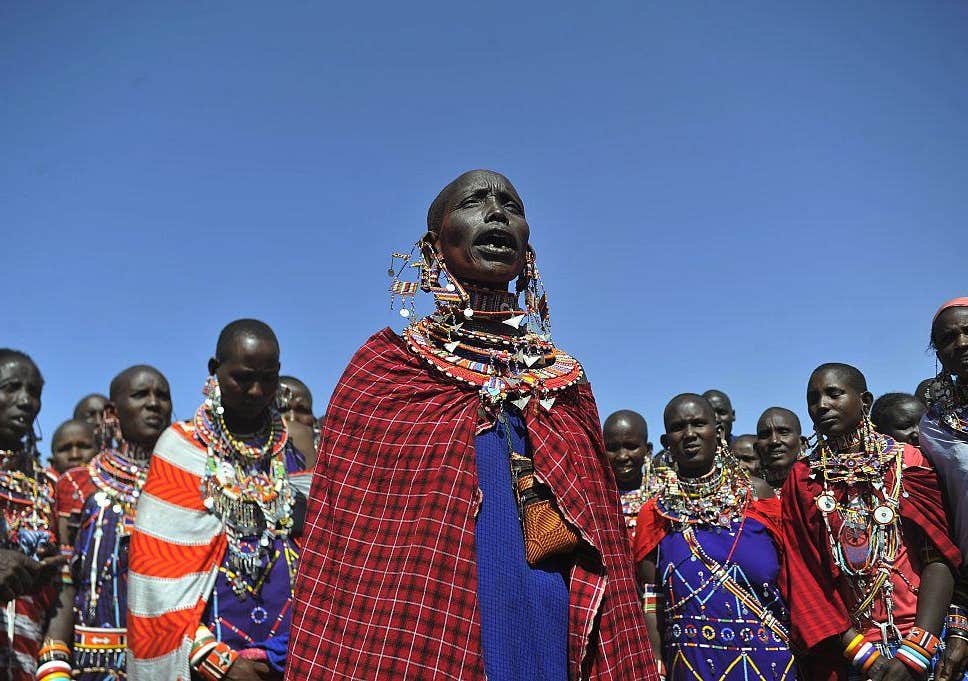

Discovering the Maasai and Hadzabe Cultures with Lappet Faced Safaris
Embark on an unforgettable journey with Lappet Faced Safaris to explore the fascinating Maasai and Hadzabe cultures. These tribes are among the last true hunter-gatherers of Africa, and their way of life is incredibly unique. With expert guides, you’ll experience the daily lives of these communities. From intricate beadwork to traditional dances, the Maasai culture is vibrant and full of color. The Hadzabe, on the other hand, will amaze you with their survival skills and deep connection to nature.
According to this post, the Maasai people are known for their distinct attire and customs. They live in small, tightly-knit communities and follow rituals that go back generations. The Hadzabe tribe offers a stark contrast with their nomadic lifestyle, foraging and hunting with bow and arrows. Seeing these two cultures side by side provides a deeper understanding of their unique identities. It’s a rare opportunity to witness such different ways of life in one tour.
When you join a tour with Lappet Faced Safaris, you’ll get hands-on experiences that few ever have. Imagine walking through the bush with a Hadzabe hunter, learning to track animals. Or, participating in a Maasai ceremony, feeling the rhythm of their traditional songs. These experiences aren’t just for show – they are real, everyday activities for the tribes. Your guides are knowledgeable and respectful, ensuring that your visit is meaningful and authentic.
This journey is not just about sightseeing; it’s about engaging with the people and learning from them. You’ll see the challenges they face and how they adapt to modern pressures while maintaining their traditions. This tour highlights the resilience and strength of both the Maasai and Hadzabe communities. Lappet Faced Safaris ensures that your adventure is both educational and deeply moving. It’s an African experience you’ll never forget.
An Overview of Maasai and Hadzabe Tribes
The Maasai and Hadzabe tribes are two of the most notable indigenous groups in Africa. The Maasai are known for their vibrant clothing, warrior culture, and cattle herding techniques. They live in East Africa, primarily in Kenya and Tanzania. Their society is organized around age sets, and they have strong cultural rituals. They are famous for their striking red shukas and elaborate jewelry.
The Hadzabe people are quite different from the Maasai. They are one of the last remaining hunter-gatherer tribes in Africa. Living in the regions around Lake Eyasi in Tanzania, they move with the seasons and game availability. The Hadzabe rely on hunting and foraging, using traditional tools like bows and arrows. Their language is also unique, featuring click sounds.
Despite their differences, both tribes share a deep connection to their land. The Maasai’s pastoral lifestyle requires vast grazing lands for their cattle. On the other hand, the Hadzabe’s nomadic nature demands knowledge of expansive territories for hunting. This connection to the environment is vital for their survival. It’s fascinating to see how they each adapt to their surroundings in unique ways.
Visitors can learn a lot by exploring these cultures. Here is the post that shares more about the significance of conserving such traditions for future generations. Interaction with the Maasai and Hadzabe offers a glimpse into ancient ways of living that are rare to find today. From the Maasai’s ceremonial dances to the Hadzabe’s hunting prowess, each tribe has something remarkable to showcase. It’s an enriching experience to witness their lifestyles firsthand.
The Significance of Traditional Practices in Maasai and Hadzabe Cultures
Traditional practices play a vital role in defining the identities of the Maasai and Hadzabe cultures. For the Maasai, rituals and ceremonies mark different stages of life, from childhood to elderhood. These events, such as the Eunoto ceremony, celebrate the transition of young boys into warrior status. Dancing, singing, and storytelling are key elements of these gatherings. Each practice reinforces the community’s values and history.
The Hadzabe also have unique traditions that are central to their way of life. Their hunting and gathering methods have been passed down through generations. These skills are not just survival techniques but are integral to their cultural identity. They use specific plants for medicine and ceremonies, reflecting a deep knowledge of their environment. This close relationship with nature is core to their traditions and daily life.
Understanding these traditional practices helps in preserving the rich heritage of both tribes. Anthropologists and visitors alike find immense value in observing and documenting these customs. It enriches our knowledge about human history and survival. Moreover, such practices teach us about resilience, adaptation, and respect for nature. Maintaining these traditions ensures that the heritage continues for future generations.
- Rituals and ceremonies mark life stages
- Hunting and gathering techniques
- Use of plants for medicine and ceremonies
- Connection to and respect for nature
These elements together form the essence of Maasai and Hadzabe cultures, making them unique and precious.
Experiencing Authenticity: What to Expect on the Maasai and Hadzabe Culture Tour
Joining a Maasai and Hadzabe culture tour with Lappet Faced Safaris promises a genuine and immersive experience. Be ready to engage with the locals as you partake in their daily activities. From milking cows with the Maasai to learning how the Hadzabe make fire, every moment is an opportunity to connect deeply with these tribes. The tour isn’t just about observation but participation.
With the Maasai, you’ll witness their traditional dances and songs that tell stories of their past. These performances are not mere acts but a vital part of their cultural expression. You’ll also get to explore their villages and learn about their lifestyle. The colourful beadwork and ornaments they create are symbolic and meaningful. You may even try your hand at crafting some of these items.
Among the Hadzabe, the focus shifts to survival skills. They will show you how they hunt using bows and arrows and identify edible plants. The Hadzabe have an intimate knowledge of the land, which you’ll appreciate as you walk through the bush with them. This firsthand experience of their way of life provides significant insight into human adaptability. It’s a lesson in living harmoniously with nature.
To enhance your understanding, guides provide detailed explanations throughout the tour. They help bridge any cultural gaps and ensure that interactions are respectful. This comprehensive approach ensures that visitors leave with a profound appreciation for both cultures. Understanding the significance of each practice enriches the experience. It becomes more than just a trip; it’s an educational journey.
Along the tour, expect to enjoy some personal stories from community members. These narratives add depth to the experience, making it more relatable. It’s through these stories that you’ll learn about their challenges and triumphs. Visiting these tribes highlights the importance of preserving their heritage. This tour is indeed a unique African adventure, thoughtfully curated by Lappet Faced Safaris.
How to Prepare for Your Cultural Tour Adventure
Preparing for your cultural tour adventure with Lappet Faced Safaris ensures a smooth and enriching experience. Start by researching the Maasai and Hadzabe cultures to understand their customs and traditions. This knowledge will help you relate better during the tour. Pack appropriately for the weather, which can vary significantly. Comfortable clothing and sturdy footwear are essential for outdoor activities.
It’s also important to carry a few essentials for your comfort and health. Don’t forget items like sunscreen, insect repellent, and a hat. Drinking plenty of water is crucial, so having a reusable water bottle is a good idea. A small first aid kit can be handy. Additionally, consider bringing a notebook to jot down observations and experiences.
Respecting the local customs is vital. Always ask for permission before taking photographs of people. Be mindful of their space and traditions. Gifts for the community, such as school supplies or clothing, are appreciated but not expected. These gestures can foster goodwill and show your respect for their hospitality.
Financial preparations are also necessary for a hassle-free trip. While most expenses are covered in the tour package, you might need extra cash for souvenirs or additional tips. Ensure you have the local currency or a means to withdraw cash. Check with your bank about international transaction fees. Preparing financially will save you from unexpected surprises.
Finally, mental preparation is key to enjoying your cultural adventure fully. Approach the experience with an open mind and a willingness to learn. Understand that you might encounter lifestyles very different from your own. Being open-hearted and non-judgmental will enhance your trip. This mindset will make your journey more meaningful and memorable.