
Tanzania, a nation often celebrated for its breathtaking landscapes and extensive wildlife, harbors an equally fascinating cultural trove that is less spoken of. With over 120 distinct ethnic groups, its cultural fabric is as diverse as it is rich, creating a tapestry of traditions, languages, and art. Such diversity not only influences the vibrant social dynamics but also shapes an intricate historical narrative.
Tracing the origins of the Swahili culture along its sun-kissed coastlines, Tanzania effortlessly bridges past and present traditions. The National Museum of Tanzania houses artifacts that tell stories from ancient civilizations and highlight the evolution into contemporary culture. Furthermore, UNESCO recognizes its revered sites, with the Olduvai Gorge underlining its title as the “Cradle of Mankind” while integrating these artifacts into a cohesive national identity. Experts often study how these elements of Tanzanian culture unite to craft an unparalleled heritage that even captivates global academia.
Discover the Rich Cultural Heritage of Tanzania
Tanzania is home to over 120 different ethnic groups, each with its unique customs and traditions. The Sukuma, Chaga, and Maasai are among the most well-known. These groups contribute to the country’s rich cultural heritage through their languages, dances, and ceremonies. Exploring their diverse practices provides visitors with a deep understanding of Tanzania’s social fabric. According to this post, cultural tourism is expected to significantly boost the local economy.
Swahili culture, especially along the coastline, adds another layer to Tanzania’s heritage. Swahili architecture, food, and music are influenced by centuries of trade with Arabs, Persians, and Indians. The coastal city of Zanzibar is a prime example, featuring stone towns and vibrant marketplaces. Visitors often find the blend of old and new captivating. UNESCO even lists Stone Town as a World Heritage site.
Tanzania’s traditional dances and music are an integral part of its cultural expression. Styles such as Bongo Flava represent modern Tanzanian music that resonates with the youth. Traditional instruments like the ngoma drum bring rhythmic beats to celebrations and ceremonies. Local festivals are a great way to experience these art forms firsthand. For instance, the Bagamoyo Arts Festival showcases various cultural performances.
Historical landmarks also play a significant role in understanding Tanzania’s past. Sites like the Olduvai Gorge, known as the “Cradle of Mankind,” highlight the country’s rich human history. Museums like the National Museum of Tanzania house artifacts that offer glimpses into ancient civilizations. According to the article, here is the article Tanzania also hosts numerous cultural festivals that provide a deeper appreciation of its heritage. These events bring people together to celebrate and preserve their unique traditions.
Exploring the Ethnic Diversity in Tanzania
Tanzania stands out with its vibrant ethnic diversity, showcasing over 120 tribes. Each tribe boasts its unique language and cultural practices. The Sukuma people, for instance, are Tanzania’s largest ethnic group, primarily residing in the Mwanza region. Their economy mainly revolves around agriculture and cattle herding. Such diversity nurtures rich dialogues and traditions across the landscape.
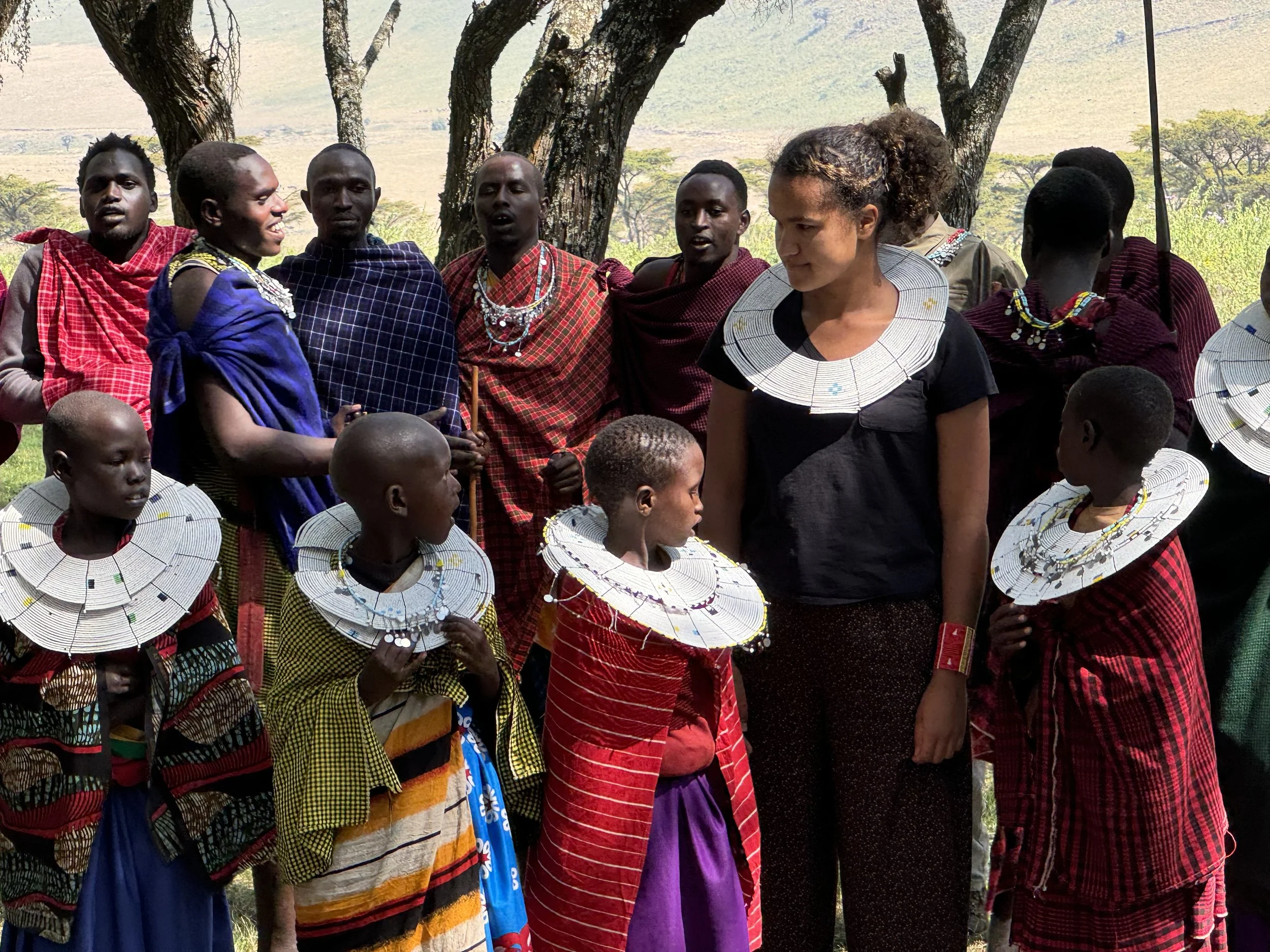
The Maasai tribe, known for their colorful attire and warrior culture, inhabits the northern regions of Tanzania. Their semi-nomadic lifestyle is centered around cattle, which they consider sacred. Maasai people hold onto age-old traditions while adapting to modern challenges. Visitors frequently interact with them during cultural tours and gain insights into their unique way of life. This direct engagement often enhances understanding and appreciation.
Apart from the Maasai and Sukuma, the Chaga tribe significantly contributes to Tanzania’s diversity. Found on the slopes of Mount Kilimanjaro, they are renowned for their agricultural prowess. Bananas and coffee are staples in their cultivation practices. Their intricate irrigation systems have been passed down for generations. These innovations reflect the tribe’s adaptability and communal knowledge.
Tanzania’s ethnic mosaic extends to include tribes such as the Haya and the Hadzabe. The Hadzabe are among the last true hunter-gatherers on the continent. While facing modernization challenges, their lifestyle remains remarkably traditional. Efforts are ongoing to preserve these cultures while promoting sustainable tourism. Engaging with these tribes offers a profound understanding of human adaptation and resilience.
Unveiling Tanzania’s Cultural Landmarks
Tanzania’s cultural landmarks offer a window into its storied past and vibrant present. Among these, the iconic Stone Town in Zanzibar stands out with its narrow alleys and ancient buildings. Visitors are often captivated by its intricately carved wooden doors and bustling markets. Moreover, the city is a testament to the fusion of African, Arab, Indian, and European influences. This mix of cultures can be seen in the town’s architecture and vibrant festivals.
Another significant site is the Olduvai Gorge, known as the “Cradle of Mankind.” This location is one of the world’s most important prehistoric sites, revealing human ancestry. Fossils and tools found here date back millions of years. These discoveries provide essential insights into human evolution. While visiting, one can imagine what life was like for early humans.
The UNESCO World Heritage Site of Kilwa Kisiwani is an island with rich historical importance. Kilwa Kisiwani once thrived with palaces, mosques, and houses that reflect remarkable Swahili culture. The Portuguese, during their explorations, found the island as a powerful trading hub. Today, the ruins narrate tales of its prosperous past. Tourists enjoy exploring this site and learning about its historical significance.
Other cultural gems include the towering ruins of Kondoa Rock-Art Sites. Found in central Tanzania, these drawings depict ancient rituals and everyday life. The rock art is a vivid display of the creativity and spirituality of early humans. For nature and culture enthusiasts, this landmark offers an enriching experience. It is also a simple reminder of Tanzania’s diverse and rich cultural tapestry.
Key Takeaways
- Tanzania hosts over 120 diverse ethnic groups with unique cultures.
- The Maasai tribe is famous for its colorful attire and warrior culture.
- Stone Town in Zanzibar blends African, Arab, and European influences beautifully.
- Olduvai Gorge provides deep insights into early human evolution.
- Kilwa Kisiwani showcases historical rich Swahili culture through ancient ruins.
In Conclusion
Exploring Tanzania’s rich cultural heritage is a journey through time and tradition. From the colorful Maasai tribe to the ancient ruins of Kilwa Kisiwani, each aspect offers a unique insight. This vast cultural tapestry enhances Tanzania’s global appeal and academic significance.
For experts, these landmarks provide invaluable opportunities for study and preservation. Through sustainable tourism, Tanzania continues to celebrate and protect its diverse heritage. Engaging with these cultures fosters a deeper understanding and appreciation of our shared human history.