
The Maasai people, renowned for their distinctive customs and attire, inhabit the savannahs of Kenya and Tanzania. A fascinating aspect is the vibrant shuka worn, traditionally dyed in striking red. Many travelers are drawn to understanding how this iconic culture thrives in harmony with the wild landscapes around them.
Engaging with the Maasai offers a glimpse into a rich heritage that dates back hundreds of years. Their semi-nomadic lifestyle, along with their deep-rooted traditions, reflects a compelling narrative of adaptability and resilience. As of recent studies, around 1 million Maasai remain, preserving their cultural identity amidst modern challenges.
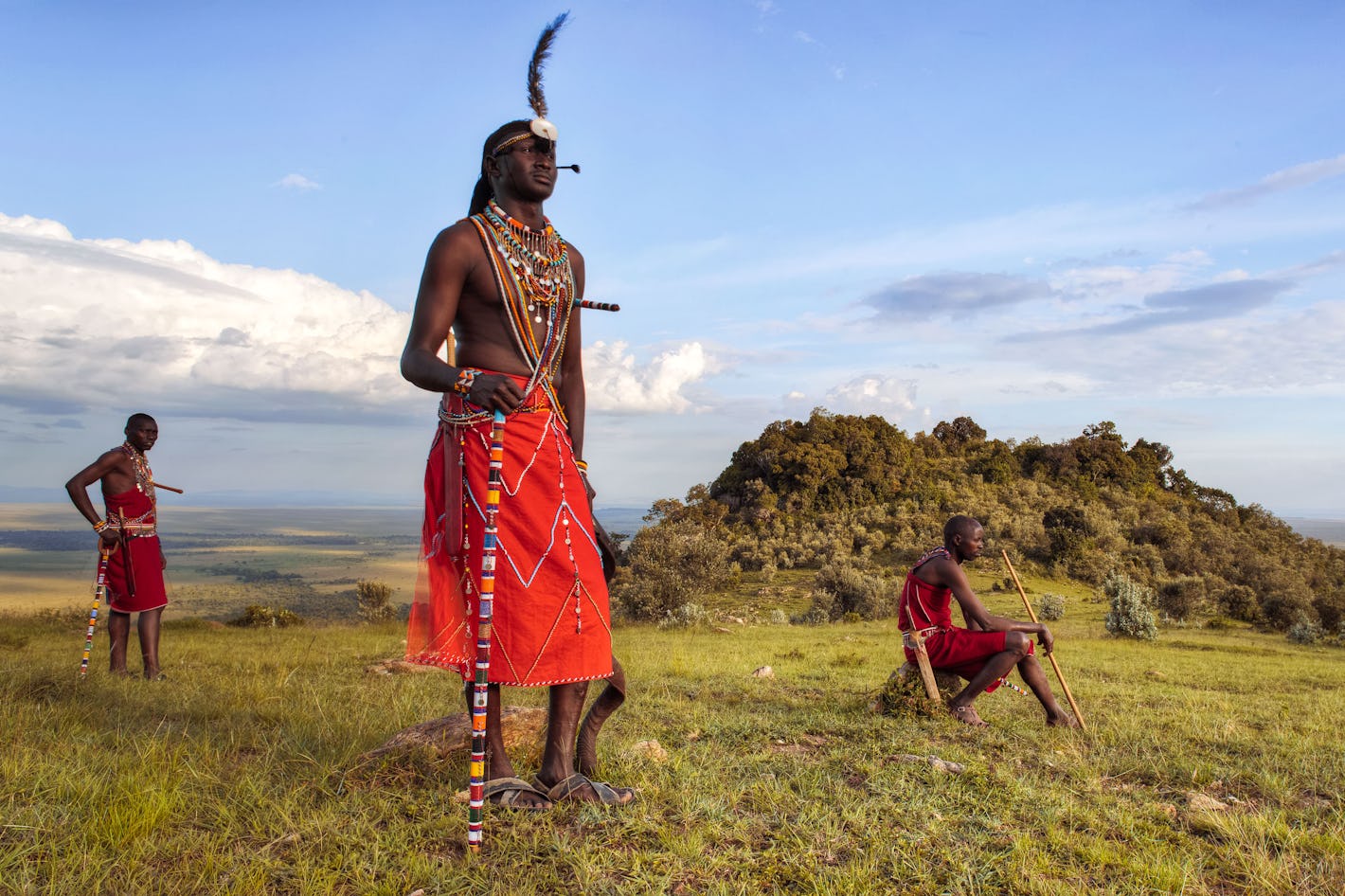
Exploring the Richness of Maasai Culture on Your Safari
Visiting the Maasai lands offers a unique glimpse into a culture deeply rooted in tradition. The Maasai are known for their vibrant attire, often seen in bright red and colorful beaded jewelry. On your safari, you can witness traditional ceremonies, like the famous jumping dance, which is a rite of passage for young men. Exploring their villages provides insights into their way of life and community values. Involving local Maasai guides adds authenticity to the safari experience.
Maasai culture remains resilient despite modern changes. Their oral traditions and storytelling enrich understanding of their history and beliefs. Lappet Faced Safari often arranges interactions where visitors can learn directly from the Maasai people. According to this post, tourism is carefully balanced to respect their customs. This sustainable approach ensures both cultural preservation and economic support for the community.
Learning about Maasai culture extends beyond their attire and dances. Their semi-nomadic lifestyle is closely linked to the grazing needs of their cattle. This harmonious relationship with nature is part of their cultural identity. For many, understanding these dynamics makes the safari experience even more meaningful. Lappet Faced Safari ensures that visitors leave with a deeper appreciation for this way of life.
Your safari doesn’t end with just cultural exploration. A visit to nearby stunning natural wonders, like the Ngorongoro Crater, adds to the adventure. Ngorongoro is expected to be a top safari destination by 2025, as noted here in the article. This area allows you to see diverse wildlife, all while being guided by expert local knowledge. Such journeys create memories that highlight the essence of Africa’s natural and cultural richness.
Lappet Faced Safari: Your Guide in the Journey
Lappet Faced Safari has been offering unforgettable travel experiences for over a decade. Based in Arusha, Tanzania, our expertise lies in arranging tailored safaris, Kilimanjaro climbs, and Zanzibar vacations. Each trip is meticulously planned to provide an authentic taste of East Africa. Our guides are local experts who know the terrain and culture intimately. This ensures every adventure is both safe and enlightening.
We take pride in creating personalized experiences for our clients. Whether you’re an adventurer looking to conquer Kilimanjaro or a family seeking a wildlife safari, we’ve got you covered. Our packages are designed to suit diverse interests and budgets. We also emphasize sustainable tourism, ensuring our activities benefit local communities. This approach enriches your travel while making a positive impact.
Our safari guides are not just knowledgeable; they are passionate storytellers. They bring the Maasai culture and natural landscapes to life with their tales and insights. To enhance your journey, we offer opportunities to interact with local communities. According to the article, these interactions are respectful and designed to be mutually beneficial. It is an enriching exchange that deepens your cultural understanding.
Beyond Maasai culture, Lappet Faced Safari opens doors to many other wonders of Tanzania. From the expansive plains of Serengeti to the marine beauty of Zanzibar, your adventure can be as varied as the landscape. Our guided tours also include visits to iconic places like the Ngorongoro Crater. Each of these locations offers a unique slice of Tanzania’s natural and cultural wealth, making your journey unforgettable.
Transcending Modern Boundaries: The Maasai Culture Today
Amidst rapid modernization, the Maasai culture stands resilient, preserving its distinct identity. Many Maasai choose to keep their traditional ways while embracing select modern conveniences. This blend is visible in how they maintain their cattle herding lifestyle alongside modern education. The community is redefining progress by integrating technology, like mobile phones, to improve communication. These adaptations showcase their ability to balance tradition and change.
The Maasai continue to celebrate their rich customs through art, music, and dance. Their craftsmanship is visible in the intricate beadwork and colorful shukas they wear. Modern jewelry often incorporates traditional designs, reflecting cultural pride. Tourists frequently visit their villages to experience and purchase these handmade creations. This interest helps support the local economy while sharing Maasai art worldwide.
Education is playing a growing role in transforming the Maasai community. More children are attending school and embracing new knowledge. This shift offers expanded opportunities beyond traditional roles. Many young Maasai are pursuing careers in various fields, blending modern skills with cultural wisdom. This evolution helps the community stay vibrant and relevant in today’s world.
The Maasai are also active in conservation efforts, safeguarding their natural environment. With East Africa’s wildlife facing threats, they promote sustainable practices on their lands. Collaborations with conservation organizations offer benefits to both wildlife and people. Such partnerships create jobs and preserve biodiversity, enhancing the Maasai’s stewardship legacy. Together, these efforts highlight the proactive role Maasai play in protecting their future.
Key Takeaways
- The Maasai blend traditional ways with modern conveniences.
- They preserve their culture through art, music, and dance.
- Education is providing new opportunities for the Maasai.
- Their craftsmanship supports the local economy and shares art globally.
- The Maasai actively participate in environmental conservation efforts.
Conclusion
The Maasai culture remains a fascinating testament to the resilience and adaptability of an ancient way of life. By blending tradition with modernity, they have managed to preserve their identity while embracing change. This balance ensures their culture remains vibrant and relevant.
Engaging with the Maasai on your safari not only enriches your experience but also supports their community. Through responsible tourism, we can help sustain their traditions and promote environmental conservation. This shared journey fosters mutual respect and understanding.