
Amidst the untamed expanse of Tanzania lies a striking spectacle few have witnessed—Ruaha National Park. Known as one of East Africa’s largest game reserves, it captivates with its unspoiled, diverse ecosystems. One cannot help but ponder the mysteries that its rugged terrain conceals, waiting to be unveiled.
Steeped in history, Ruaha was officially declared a national park in 1964 and today spans over 20,000 square kilometers. With nearly 10% of the world’s lion population roaming its vistas, it remains a critical stronghold for wildlife conservation. The park also fosters a unique blend of ecosystems due to its merging with the savannah and woodland habitats, offering a tapestry of sights that appeal to ecologists and nature enthusiasts alike.
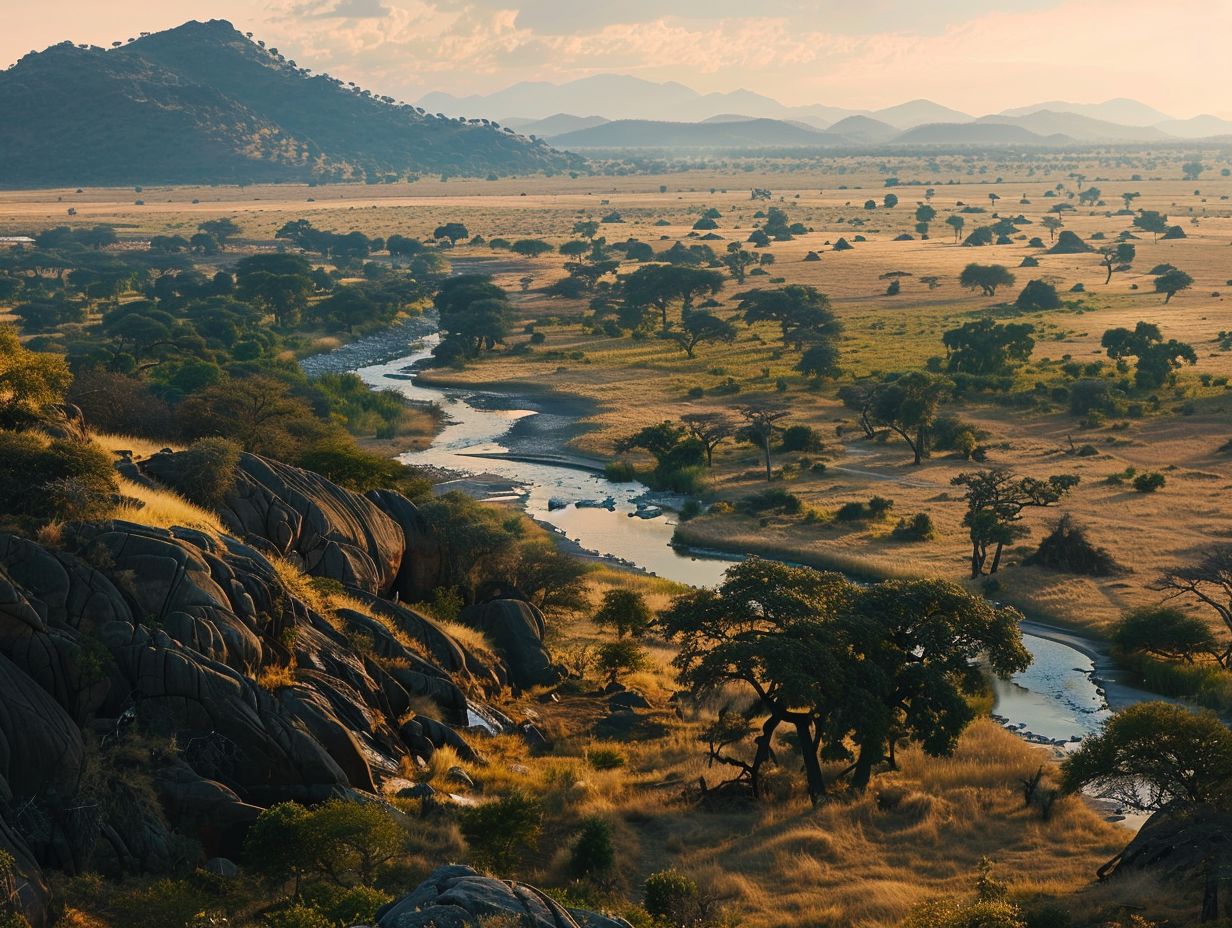
Exploring the Diverse Ecosystems of Ruaha National Park
Ruaha National Park is a treasure trove of diverse ecosystems. From the sweeping savannahs to the thick woodlands, each area holds unique wonders. The park’s vast landscapes create a stunning backdrop for the rich wildlife that calls it home. One visit here and you can witness the raw beauty that Tanzania has to offer. It’s like stepping into a living museum of natural history.
The park’s savannahs are its most iconic feature, stretching as far as the eye can see. These grasslands are teeming with life, especially during the dry season when animals gather around water sources. You can spot herds of elephants, prides of lions, and towering giraffes moving gracefully across the plains. According to the article, Ruaha provides a crucial habitat for many endangered species. The savannahs are the perfect place to see nature’s big moments unfold.
In contrast, the woodlands present a completely different ecosystem. These areas are dense with trees and underbrush, providing shelter for a variety of smaller animals and birds. Walking through the woodlands, you might hear the rustling of leaves or the call of exotic bird species. This ecosystem is incredibly important for the biodiversity of the park. Each layer of the woodland supports different forms of life, making it a complex and vital part of Ruaha.
For those planning a visit, knowing the park’s layout can greatly enhance the experience. Exploring Ruaha’s diverse environments offers limitless opportunities for adventure and discovery. Here is the article to help you plan an unforgettable trip: 7 Easy Steps to Plan Your Tanzania Safari Adventure. From preparation to exploration, every step enriches your understanding and appreciation of this incredible national park.
From the sweeping savannahs to dense woodlands and rolling hills
The sweeping savannahs of Ruaha National Park are a sight to behold. These vast, open grasslands stretch far and wide, offering a spectacular view of the park’s wildlife. Zebras and antelopes graze peacefully, while lions and cheetahs lie in wait. The savannahs are also dotted with ancient baobab trees, adding a sense of timeless beauty to the landscape. Every visit here can reveal a new aspect of nature’s grandeur.
As you move from the grasslands, the dense woodlands create a stark contrast. The thick foliage provides a cool refuge from the hot African sun. Monkeys swing from tree to tree, and birdwatchers can delight in spotting colorful species. According to the article, this dense vegetation also supports a host of smaller mammals and insects. This area is perfect for those who enjoy a bit of shade while exploring nature.
Rolling hills further diversify the park’s ecosystem. These hills offer panoramic views of the surrounding landscapes, making them ideal for photographers. Hiking through these elevations, visitors can encounter a variety of flora and fauna. The varying altitudes also create unique climate zones within the park. These hills contribute to Ruaha’s rich biodiversity and provide different experiences at different heights.
Visitors can experience all these ecosystems on a well-planned safari. Knowing what to expect can make the adventure even more thrilling. Here is the article to help you spot must-see wildlife wonders: 10 Must-See Wildlife Wonders on Your Tanzania Safari Adventure. Each part of Ruaha National Park offers its own set of wonders, making every visit a new discovery.
The Significance of Ruaha National Park in Wildlife Conservation
Ruaha National Park plays a crucial role in wildlife conservation. It is home to a significant population of endangered species. For example, the park hosts about 10% of the world’s lions. The vast landscapes also provide refuge for elephants, cheetahs, and rare birds. Protecting these animals is vital for preserving biodiversity.
The park’s conservation efforts extend beyond just protecting animals. It also focuses on preserving habitats. By maintaining diverse ecosystems, Ruaha ensures a stable environment for all its inhabitants. Conservation programs often include anti-poaching patrols and habitat restoration. This holistic approach is essential for long-term sustainability.
Education is another important aspect of Ruaha’s conservation work. The park collaborates with local communities and schools to raise awareness. These educational initiatives help people understand the value of wildlife. Community involvement is key to the park’s success. When locals are invested, conservation efforts become more effective.
Research is conducted regularly to monitor the park’s ecosystems. Scientists study animal behavior, plant life, and environmental changes. This data helps in making informed decisions about conservation strategies. Ongoing research ensures that Ruaha adapts to new challenges. The park’s commitment to research and education strengthens its role in conservation.
Key Takeaways
- Ruaha National Park houses 10% of the world’s lions, securing their future.
- The park’s diverse ecosystems provide crucial habitats for many endangered species.
- Conservation efforts include anti-poaching patrols and habitat preservation activities.
- Education and community involvement boost conservation success across the region.
- Ongoing research helps adapt conservation strategies to new environmental challenges.
Conclusion
Ruaha National Park is more than just a destination; it is a beacon for conservation efforts in Tanzania. The park’s diverse ecosystems, from the savannahs to the woodlands, support a wide range of wildlife. This makes it an invaluable asset for preserving our natural heritage.
Continued research, education, and community involvement are essential for the park’s future. These efforts ensure that Ruaha remains a sanctuary for endangered species and a vibrant ecosystem. By supporting these initiatives, we help protect the rich biodiversity that makes Ruaha so unique.